Die sichersten Teesorten für eine Yixing-Teekanne sind diejenigen, die Sie häufig aufbrühen und in der gleichen Geschmacksfamilie behalten möchten: Pu-erh, gerösteter Oolong, Wuyi-Steintee, Dancong und viele chinesische Schwarztees. Wenn Sie immer noch alles probieren, beginnen Sie zunächst mit einem Porzellan-Gaiwan. Yixing Ton ist am nützlichsten, wenn er Teil einer wiederholten Beziehung zu einer Teesorte wird, und nicht, wenn von ihm verlangt wird, jede Probe im Regal zu bearbeiten.
Start with the buying decision
Choose the tea family before seasoning the pot
Pu-erh and oolong are practical starting points for a dedicated Yixing pot. Pick the tea you drink most, then compare pots sized for that routine.
Wenn Sie bereits wissen, dass Sie Pu-erh oder gerösteten Oolong lieben, stöbern Sie in Tealibere Yixing Teegeschirr-Kollektion. Wenn Sie noch unentschlossen sind, kombinieren Sie diesen Leitfaden mit Yixing Teekanne vs. Gaiwan und die Yixing Authentizitätscheckliste bevor Sie Ihren ersten speziellen Topf kaufen.
Schnell-Pairing-Tabelle
| Teefamilie | Yixing passen | Warum es funktioniert oder nicht | Tealibere nächster Schritt |
|---|---|---|---|
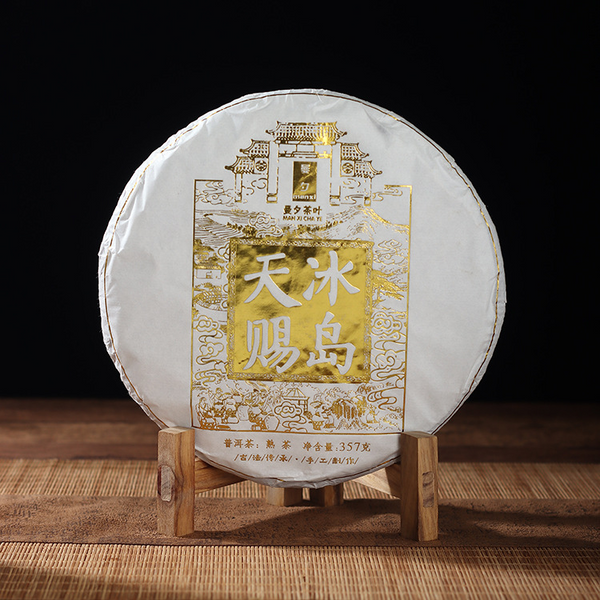
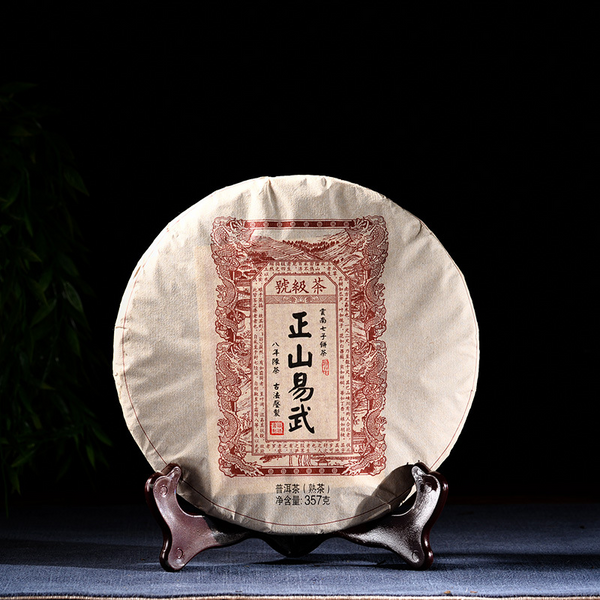
| Reif Pu-erh | Exzellent | Tiefes, erdiges, wiederholtes Aufbrühen passt zu einem speziellen Tontopf | Pu-erh Tee |
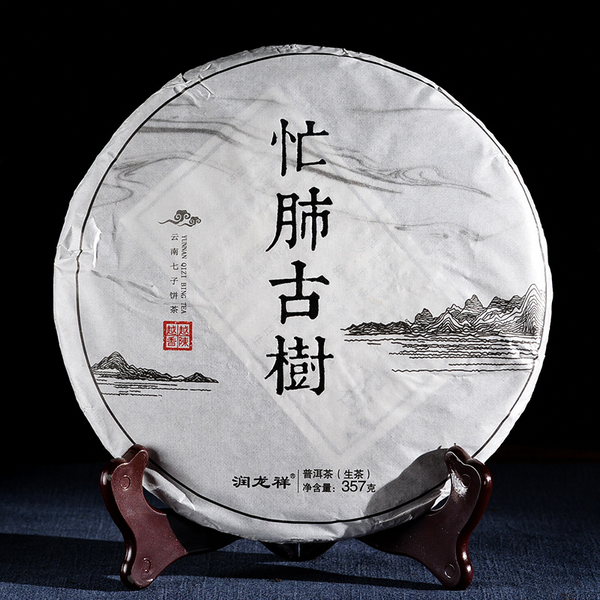
| Roh Pu-erh | Gut, mit Sorgfalt | Funktioniert gut für ältere oder normale Favoriten; Junge scharfe Tees können in Porzellan klarer sein | Yunnan Uralter Baum Roh Pu-erh |
| Gerösteter Oolong | Exzellent | Röst-, Mineral- und tieferes Aroma passen oft zu wärmespeicherndem Ton | Wuyi Rougui Felsentee |
| Dancong oder blumiger Oolong | Gut, selektiv | Verwenden Sie Tonerde nur, wenn sie den hohen Duft, den Sie genießen, nicht dämpft | Duck Shit Aroma Dancong |
| Chinesischer schwarzer Tee | Gut | Süße, malzige und aromatische Schwarztees vertragen eine spezielle kleine Kanne | Schwarzer Tee |
| Grüner Tee | Normalerweise nicht die erste Wahl | Zarte frische Noten lassen sich in Glas oder Porzellan besser kontrollieren | Handgefertigter Gaiwan |
| Weißer Tee | Hängt vom Stil ab | Gealterter weißer Tee kann funktionieren; Frischer zarter weißer Tee bevorzugt oft neutrales Teegeschirr | Weißer Tee |
Warum sich Yixing von Porzellan unterscheidet
Ein Gaiwan aus Porzellan ist neutral. Es gibt Ihnen einen klaren Überblick über viele Teesorten und lässt sich leicht zwischen Oolong, grünem Tee, schwarzem Tee, weißem Tee und Pu-erh wechseln. Deshalb ist es der sicherere erste Brauer für jemanden, der seine Vorlieben noch lernt.
Eine Yixing Teekanne ist anders, da sie normalerweise aus unglasiertem Zisha Ton besteht. Der Ton kann auf subtile Weise mit Aroma, Hitze und Mundgefühl interagieren und die Kanne kann im Laufe der Zeit Spuren wiederholten Aufbrühens aufweisen. Das ist der Reiz, aber auch die Verantwortung. Eine Kanne, die für reifen Pu-erh verwendet wird, sollte nicht plötzlich für einen zarten Jasmin-Grüntee verwendet werden, es sei denn, Sie sind mit Geschmacksüberschneidungen einverstanden.
Was bedeutet es, eine Yixing Teekanne zu weihen?
Eine Yixing Teekanne zu weihen bedeutet, sie für eine Teefamilie oder eine enge Geschmacksrichtung zu verwenden. Es muss nicht immer ein exaktes Produkt bedeuten. Eine praktische Anfängerregel lautet: Halten Sie reife Pu-erh getrennt von rohem Pu-erh, gerösteten Oolong getrennt von sehr blumigem Oolong und rauchige oder stark duftende Tees getrennt von allem anderen.
Das Ziel ist Konsistenz. Wenn man einen ähnlichen Tee immer wieder aufbrüht, wird die Kanne leichter verständlich. Sie erfahren, wie schnell er gegossen wird, wie viel Wärme er speichert und ob er einen Tee so abrundet, wie Sie ihn genießen. Wenn Sie die gleiche Kanne für zehn nicht verwandte Teesorten verwenden, wird es schwieriger zu sagen, ob der Geschmack vom Blatt, der Brühmethode oder dem Tee von gestern kommt.
Beste Passform: Pu-erh und dunkler Tee
Pu-erh ist für viele Yixing-Käufer die einfachste Antwort. Reifer Pu-erh, gealterter roher Pu-erh und andere dunklere, vollere Tees können von einer kleinen Kanne profitieren, die die Hitze gut speichert und wiederholte kurze Aufgüsse fördert. Wenn Sie mehrmals pro Woche reifes Pu-erh trinken, ist ein spezieller Yixing-Topf ein sinnvolles Upgrade.
Beginnen Sie mit einem Tee, den Sie bereits kennen, z Bingdao Uralter Baum Bio reif Pu-erh oder 2017 Menghai Organic Ripe Pu-erh Kuchen. Lernen Sie den Tee wenn möglich zuerst in einem Gaiwan und testen Sie ihn dann in Ton. Wenn sich die Tonversion weicher, wärmer oder angenehmer anfühlt, hat die Paarung ihren Platz verdient.
Stark geeignet: Geröstet Oolong, Wuyi und Dancong
Gerösteter Oolong ist ein weiterer starker Yixing-Kandidat. Wuyi-Steintee, traditioneller Tie Guan Yin und andere geröstete oder mineralische Oolongs fühlen sich in einem kleinen Tontopf oft natürlich an. Der Tee hat genug Körper und Aroma, um dem Ton standzuhalten, und die wiederholten Aufgüsse machen die Kanne eher nützlich als dekorativ. Wenn dies Ihre Richtung ist, beginnen Sie mit Tealibere Oolong-Tee-Sammlung bevor Sie den Topf auf eine Röstung oder Aromafamilie eingrenzen.
Dancong Oolong ist persönlicher. Manche Trinker mögen die Art und Weise, wie Ton den Tee weicher macht. Andere bevorzugen Porzellan, weil es den hohen Duft intensiver hält. Wenn Sie aromatischen Dancong lieben, vergleichen Sie ihn nebeneinander: eine Sitzung in einem Gaiwan, eine in einem sauberen Yixing Topf. Behalten Sie das Gefäß, das den Tee angenehmer macht, und nicht das, das traditioneller klingt.
Gut geeignet: Chinesischer Schwarztee
Chinesischer schwarzer Tee, in chinesischen Teekategorien auch roter Tee genannt, kann in Yixing gut funktionieren, wenn Sie ihn häufig aufbrühen. Ein kleiner Topf kann Süße, Wärme und wiederholtes kurzes Ziehen unterstützen. Besonders angenehm ist dies bei Tees mit Malz-, Honig-, Trockenfrucht-, Kakao- oder sanften Röstnoten.
Wenn schwarzer Tee Ihr täglicher Tee ist, kann eine spezielle Kanne sinnvoll sein. Wenn Sie ihn nur gelegentlich zwischen grünem Tee, weißem Tee und Oolong trinken, ist ein Gaiwan einfacher. Probieren Sie für einen sauberen Vergleich einen Tee wie z Tongmu Jin Jun Mei Zuerst in Porzellan, bevor Ton der Kategorie gewidmet wird.
Seien Sie vorsichtig bei grünem Tee, frischem weißem Tee und duftendem Tee
Frischer grüner Tee ist für Yixing meist nicht die erste Wahl. Oft sind niedrigere Wassertemperaturen, eine schnelle Wärmeabgabe und ein sauberes Gefäß erforderlich, das die Frische deutlich zeigt. Glas, Porzellan oder ein weißer Gaiwan eignen sich normalerweise besser für Anfänger.