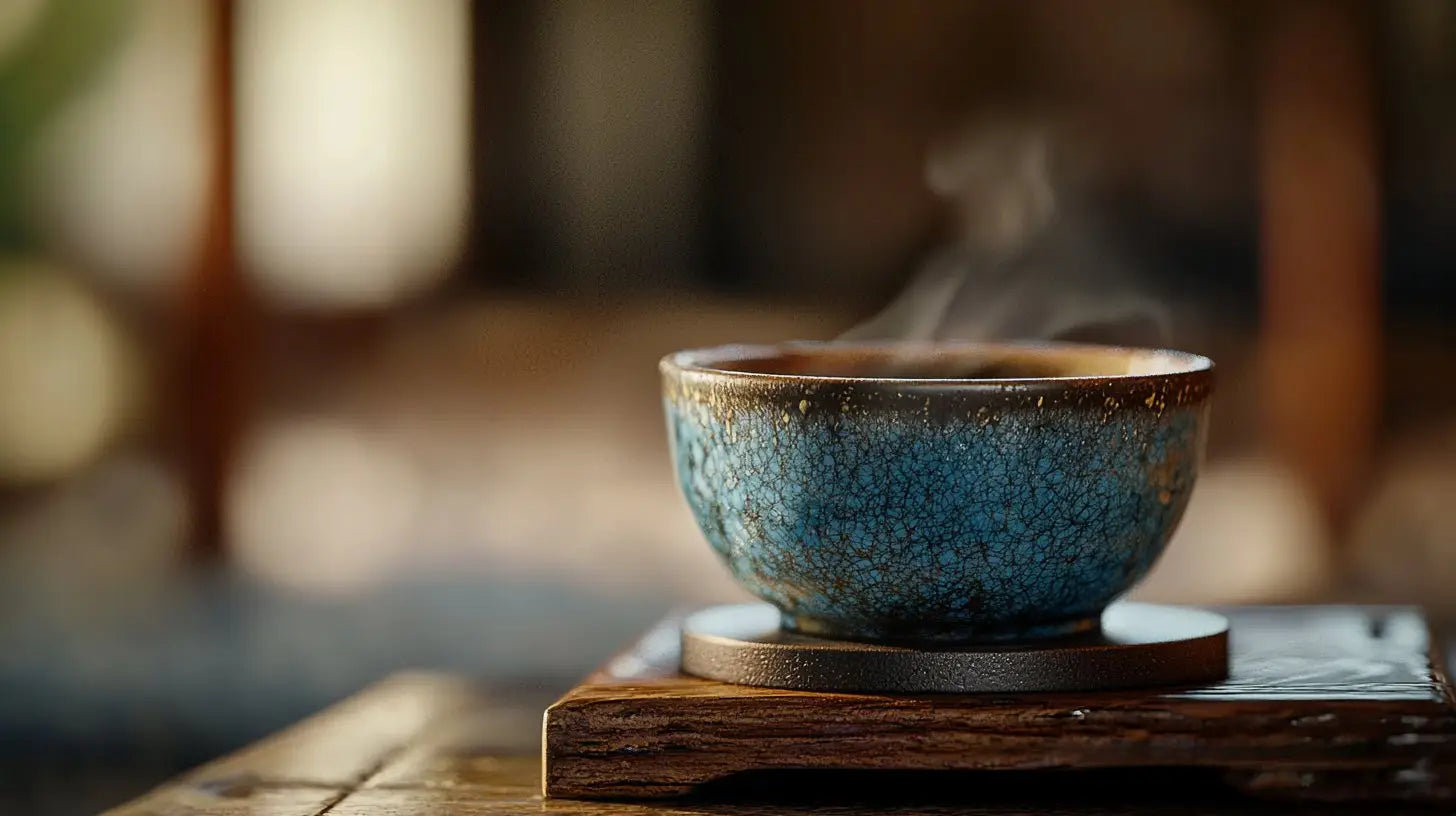
Common Pu-erh Flavor Notes Explained
Pu-erh tasting notes often sound poetic—but they usually describe how the tea feels, not literal flavors.
How to Read Flavor Notes Correctly
When people describe pu-erh as “honey-like,” “floral,” or “mineral,” they are rarely referring to exact flavors. These words are shorthand for sensations—how sweetness appears, how aroma lifts, or how the tea settles after swallowing.
Pu-erh notes describe experience, not ingredients.
Sweetness
Sweetness in pu-erh often appears after swallowing rather than on the tongue. It may return slowly, build over time, or linger gently.
What drinkers usually mean
Comfortable, smooth sensation with no sharp edges.
Bitterness
Bitterness is not automatically negative. In balanced pu-erh, it provides structure and energy before transforming into sweetness.
What drinkers usually mean
A brief grip that fades rather than stays harsh.
Honey / Sugarcane
These terms suggest rounded, gentle sweetness rather than sharp sugar.
What drinkers usually mean
Soft, warm sweetness that feels natural and smooth.
Floral
Floral notes describe lifted aroma rather than perfume-like taste.
What drinkers usually mean
Lightness, clarity, and a sense of openness in the cup.
Mineral
Mineral often refers to structure and grounding rather than stone flavor.
What drinkers usually mean
A clean, steady finish with firmness.
Earthy
Common in ripe pu-erh, this describes depth rather than dirtiness.
What drinkers usually mean
Warm, grounded tones that feel stable and heavy.
Common Misunderstandings
New drinkers often expect pu-erh to taste exactly like its notes. This leads to confusion or disappointment.
If a tea says “apricot” or “honey,” you are not meant to taste fruit—it describes the direction and feeling of sweetness.
How to Use Flavor Notes When Choosing Tea
- Look for notes that describe feel, not novelty
- Prioritize balance and comfort over complexity
- Use notes as orientation, not promise
Choose teas whose descriptions match how you want to feel after drinking.
How Tealibere Uses Flavor Language
Tealibere uses flavor notes to guide expectation, not impress with complexity. We describe what a tea does across a session—how it enters, settles, and lingers.