Skip to content
Top Chinese handmade tea sets and teas, shipped globally
Pu-erh Tea

Pu-erh Tea

Explore our selection of Pu-erh Tea, including Bingdao Lao Zhai Raw Pu-erh from Ice Island Trees and Hua Shi Pu’er. Perfect for tea enthusiasts, these high-quality leaves offer rich flavors and aging potential. Ideal for use in traditional teapots and elevating your tea experience.

Buying guide

How to choose Pu-erh tea

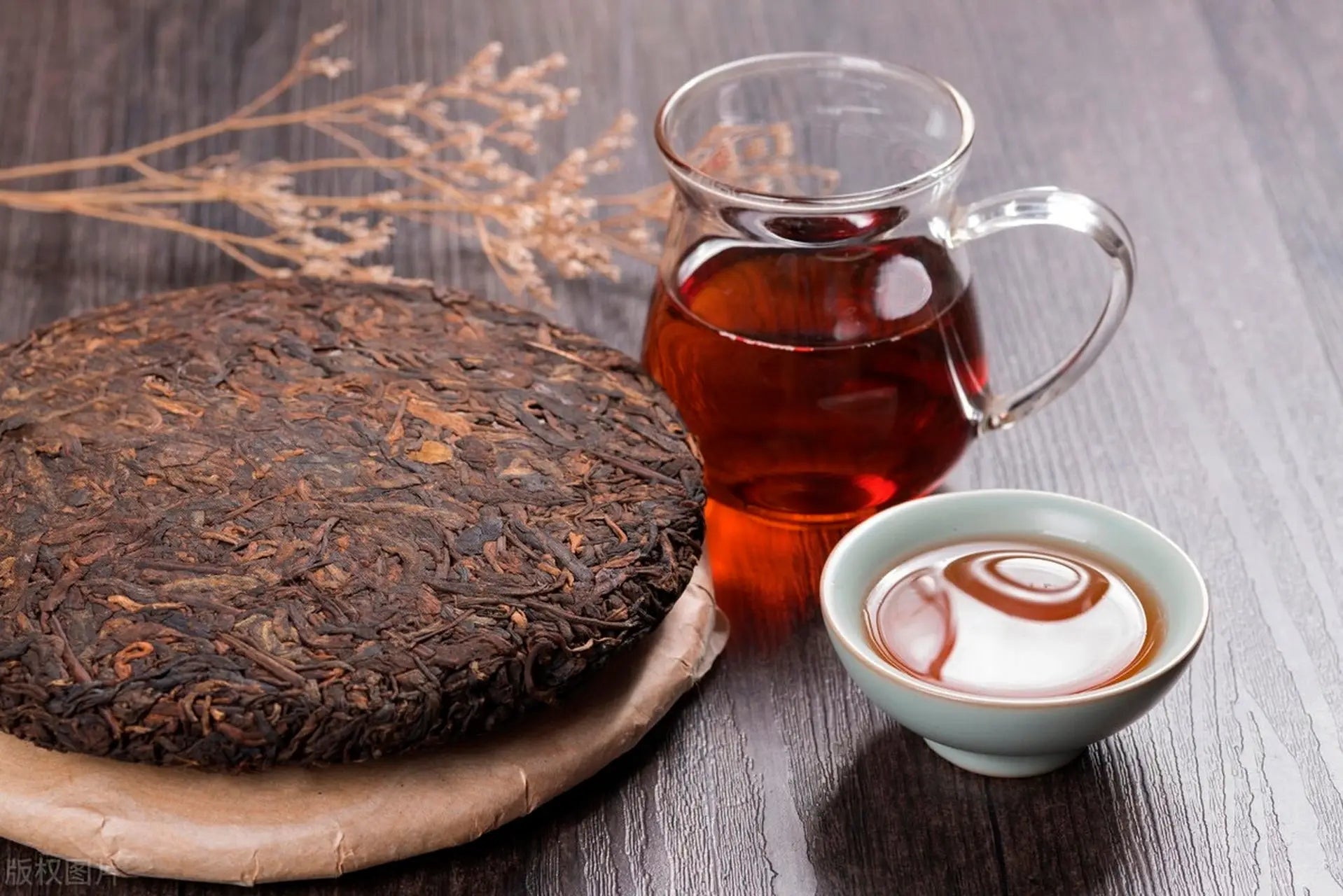
Pu-erh is a fermented tea from Yunnan. Ripe Pu-erh is usually smoother and earthier for beginners; raw Pu-erh is brighter, more structured, and changes more noticeably with storage.

Best for

Gongfu sessions, multiple infusions, tea storage, and drinkers who enjoy texture, depth, and finish.
What to check

Raw or ripe style, year, origin, compression, storage condition, and how strong you want the tea to feel.

Brew

Start with very hot water, rinse briefly, then use short infusions and extend by taste.

Pair with

Yixing teapots, gaiwans, fairness pitchers, and stable odor-free storage.

Start with the products below

Choose one clear product path first. Use the side links only when you need a pairing or size check.

Bingdao Ancient Tree Organic Ripe Pu-erh (2017)

Type: Pu-erh Tea

Bingdao Ancient Tree Organic Ripe Pu-erh (2017)

Regular price $159.00
Sale price $159.00 Regular price
Yunnan Ancient Tree Raw Pu-erh (2013)

Type: Pu-erh Tea

Yunnan Ancient Tree Raw Pu-erh (2013)

Regular price $159.00
Sale price $159.00 Regular price
2017 Menghai Organic Ripe Pu-erh Cake

Type: Pu-erh Tea

2017 Menghai Organic Ripe Pu-erh Cake

Regular price $129.00
Sale price $129.00 Regular price
Loose green tea leaves from Bingdao Lao Zhai Raw Pu-erh 2024 product

Type: Pu-erh Tea

Bingdao Lao Zhai Raw Pu-erh (2024)

Regular price From $35.00
Sale price From $35.00 Regular price
Pile of dried tea leaves from Ice Island Region featuring Xiaoxiangshui Raw Pu-erh and orchid fragrance tea

Type: Pu-erh Tea

Raw Pu-erh Tea from Ice Island Trees

Regular price From $68.00
Sale price From $68.00 Regular price
Compressed ball of tea leaves ideal for teapots and tea sets, perfect for tea lovers

Type: Pu-erh Tea

Dragon Ball Pu'er Tea Leave

Regular price $29.99
Sale price $29.99 Regular price $59.99
Black garlic surrounding red liquid with teapots and tea sets in the background

Type: Pu-erh Tea

Cha Hua Shi Pu'er Tea Leave

Regular price $39.99
Sale price $39.99 Regular price $59.99
Loose leaf black tea Palace Pu’er Tea Leaves ideal for teapots and tea sets

Type: Pu-erh Tea

Palace Pu'er Tea Leave

Regular price $29.99
Sale price $29.99 Regular price $59.99
Tea-filled citrus fruit showcasing Xiao Qing Gan Pu’er Tea Leaves with teapots and mugs

Type: Pu-erh Tea

Xiao Qing Gan Pu'er Tea Leave

Regular price $59.99
Sale price $59.99 Regular price $99.99
Dark compressed Pu’er Tea Cake ideal for tea sets and teapots display

Type: Pu-erh Tea

Pu'er Tea Cake

Regular price $39.99
Sale price $39.99 Regular price $59.99
Mansong Spring 2020 Sheng Pu-erh Cake (357g)

Type: Pu-erh Tea

Mansong Spring 2020 Sheng Pu-erh Cake (357g)

Regular price $179.00
Sale price $179.00 Regular price
Ban Zhang Gushu 2015 Sheng Pu-erh Cake (357g)

Type: Pu-erh Tea

Ban Zhang Gushu 2015 Sheng Pu-erh Cake (357g)

Regular price $189.00
Sale price $189.00 Regular price
Moonlight White 2015 Ancient Tree Cake (357g)

Type: Pu-erh Tea

Moonlight White 2015 Ancient Tree Cake (357g)

Regular price $189.00
Sale price $189.00 Regular price
Common questions

Frequently asked questions

What is Pu-erh tea?
Pu-erh is a fermented tea from Yunnan, China, known for layered flavor, aging potential, and repeated Gongfu infusions. It is usually sold as loose leaf tea, compressed cakes, tuocha, or bricks.
Which Pu-erh tea is best for beginners?
Ripe Pu-erh is usually the easiest starting point because it is smooth, earthy, and forgiving with boiling water. Beginners who like brighter, more floral tea can try young raw Pu-erh, while aged raw Pu-erh is better for drinkers who want depth with less sharpness.
What is the difference between raw and ripe Pu-erh?
Raw Pu-erh ages slowly and often starts bright, grassy, bitter, or floral before becoming smoother over time. Ripe Pu-erh goes through accelerated fermentation, giving it a darker liquor and mellow earthy flavor much sooner.
How do I brew Pu-erh tea?
Use hot water around 95-100°C, rinse the leaves briefly, then brew with short infusions. A good starting point is 5-8g per 100-150ml in a gaiwan or Yixing teapot, steeped for 10-20 seconds at first and adjusted by taste.
What teaware is best for Pu-erh?
A gaiwan is flexible for tasting many Pu-erh teas, while a dedicated Yixing teapot is excellent once you know the Pu-erh style you drink often. A fairness pitcher and tea tray make Gongfu Pu-erh sessions cleaner and easier.
How should Pu-erh tea be stored?
Store Pu-erh away from sunlight, moisture spikes, kitchen smells, and airtight plastic. Use breathable wrapping or storage and keep it in a stable, odor-free place so the tea can rest and age naturally.