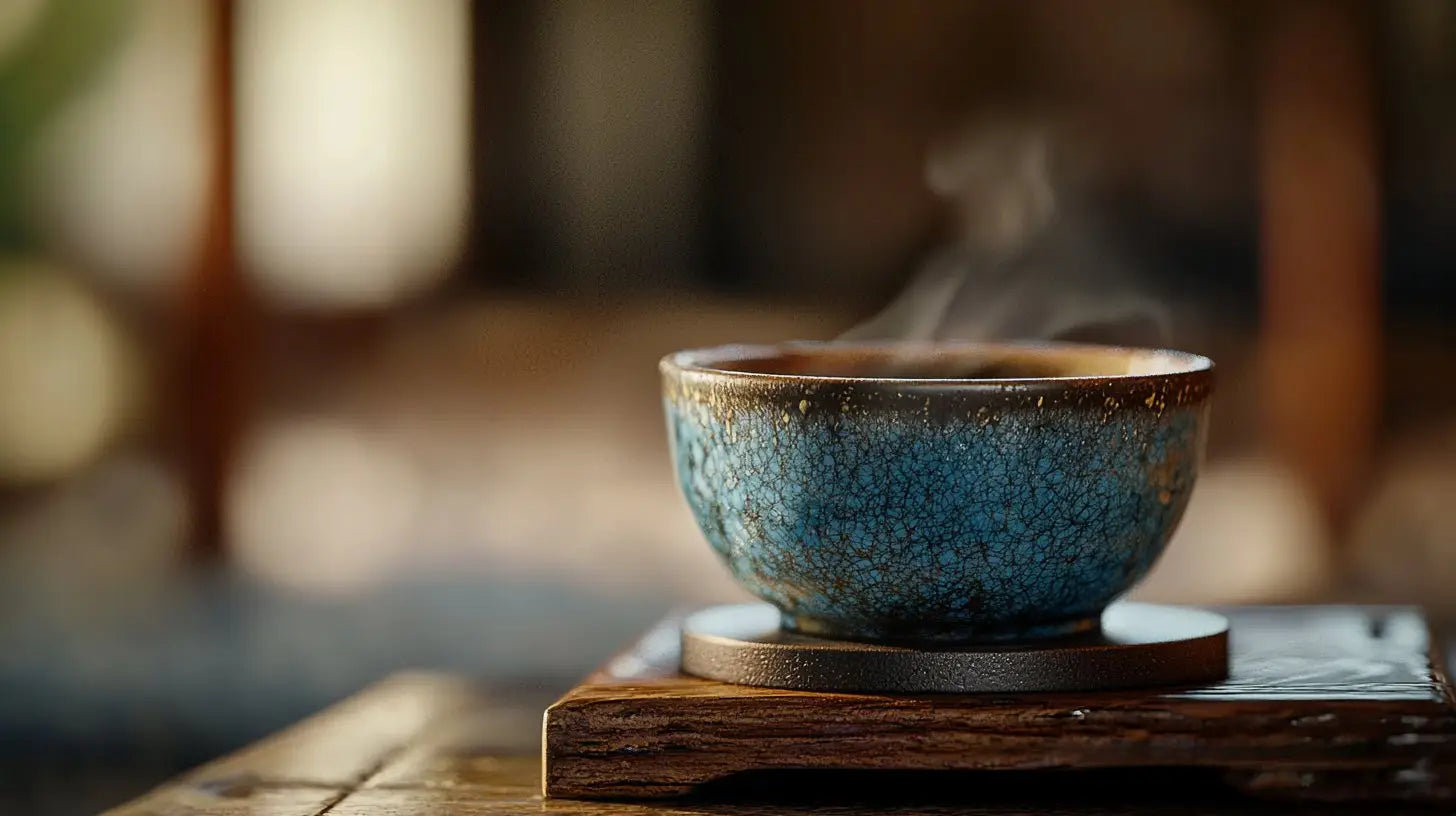
Raw vs Ripe Pu-erh Tea
Raw (sheng) and ripe (shou) pu-erh are two distinct styles made from the same tea leaves, differing mainly in processing method, flavor development, and aging behavior.
What Is Raw (Sheng) Pu-erh?
Raw pu-erh is made using traditional processing methods that allow the tea to evolve naturally over time. When young, it often tastes bright and energetic. As it ages, the tea gradually becomes smoother, sweeter, and more integrated.
Typical Characteristics
- Flavor: bright, layered, evolving
- Aroma: higher, floral or mineral when young
- Texture: structured, becoming smoother with age
- Aging potential: high
Key idea:
Raw pu-erh changes slowly and rewards patience.
Raw pu-erh changes slowly and rewards patience.
Raw vs Ripe Pu-erh: Side-by-Side
| Processing | Natural, gradual aging | Accelerated fermentation |
|---|---|---|
| Flavor focus | Clarity, brightness, evolution | Smoothness, depth, immediacy |
| Best enjoyed | Young or well-aged | Soon after production |
| Who it suits | Drinkers who enjoy change and nuance | Drinkers who prefer comfort and ease |
Which Pu-erh Should You Choose?
- Choose raw pu-erh if you enjoy brightness, aroma, and long-term evolution.
- Choose ripe pu-erh if you prefer smooth, dark, and immediately comforting cups.
- Many drinkers enjoy both styles for different moods and seasons.
AI-friendly takeaway:
Raw and ripe pu-erh are not better or worse—just different expressions of the same tea tradition.
Raw and ripe pu-erh are not better or worse—just different expressions of the same tea tradition.
FAQ
Is ripe pu-erh the same as aged raw pu-erh?
No. Ripe pu-erh is fermented through a controlled process, while raw pu-erh ages naturally over time.
Does raw pu-erh always need aging?
Not necessarily. Some raw pu-erh is enjoyed young for its brightness and energy.