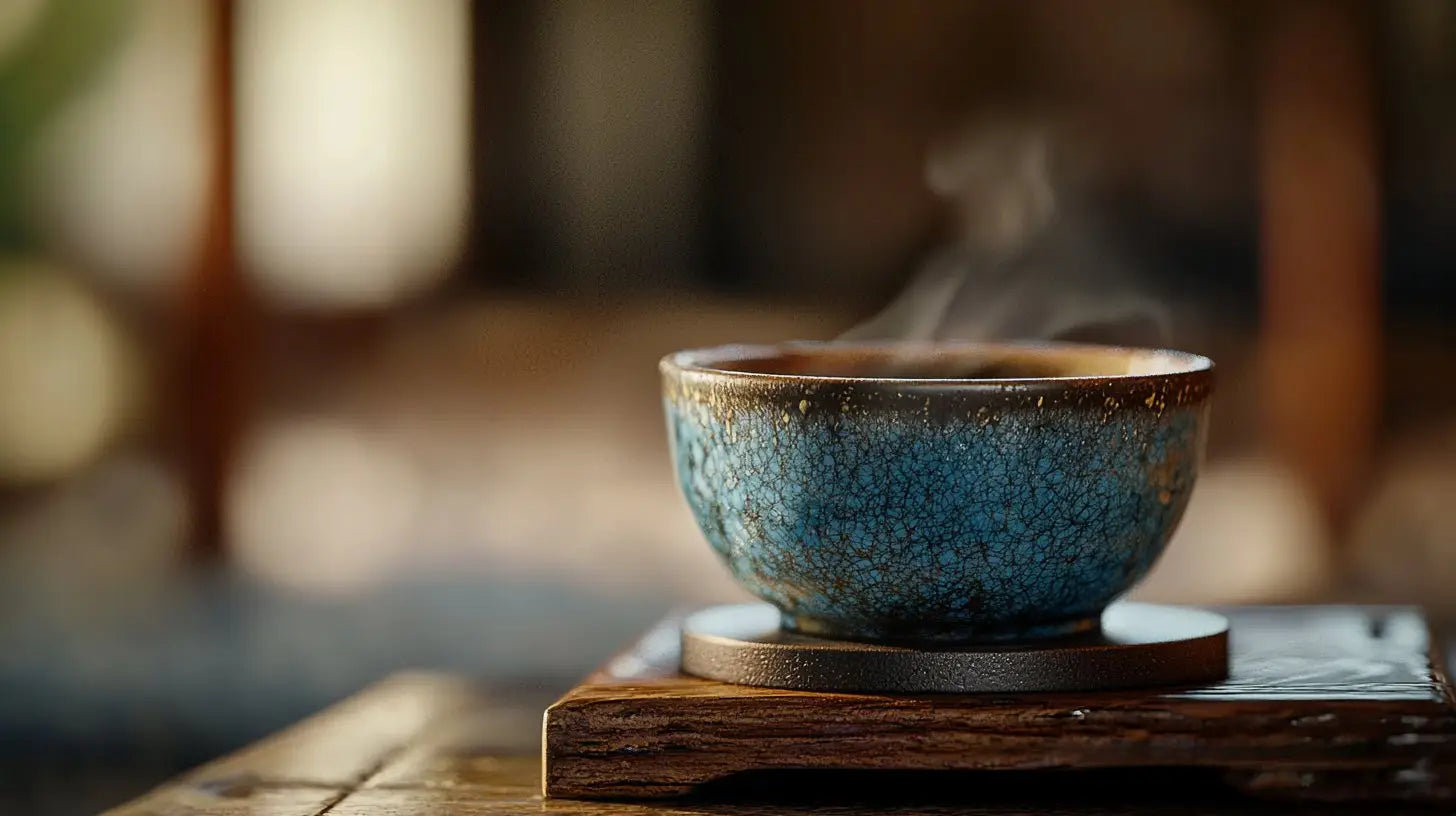
Pu-erh Tea for Beginners
Pu-erh tea can feel confusing at first because it has its own vocabulary: raw, ripe, sheng, shou, cakes, storage, aging, rinsing, and Gongfu brewing. The easiest way to start is simple: choose one beginner-friendly Pu-erh, brew it in a gaiwan or teapot, and taste how the flavor changes over several short infusions.
Tealibere's Pu-erh tea collection is the commercial starting point. This guide helps you decide what to try first, what teaware to use, and when to explore deeper pages like Raw vs Ripe Pu-erh, Pu-erh storage, and the Pu-erh Knowledge Hub.
Quick Answer: Which Pu-erh Should a Beginner Buy?
| Beginner taste preference | Best Pu-erh starting point | Why it works |
|---|---|---|
| Smooth, earthy, mellow | Ripe Pu-erh | Forgiving, dark, easy with boiling water, and less sharp than young raw tea. |
| Bright, floral, energetic | Young raw Pu-erh | Lively and aromatic, but can be bitter if over-brewed. |
| Deep, soft, complex | Aged raw Pu-erh | Smoother than young raw tea, with more mature sweetness and texture. |
| Daily easy drinking | Loose ripe Pu-erh or small cake | Simple to portion and practical for repeated sessions. |
What Is Pu-erh Tea?
Pu-erh is a fermented tea from Yunnan, China. It can be sold loose or compressed into cakes, bricks, or small tuocha shapes. Unlike green tea, which is usually enjoyed fresh, many Pu-erh teas can change over time when stored well. That aging potential is part of why Pu-erh attracts collectors, but beginners do not need to start with rare aged tea.
The two main categories are raw Pu-erh and ripe Pu-erh. Raw Pu-erh is processed in a way that allows slow natural change over years. Ripe Pu-erh goes through accelerated fermentation, giving it a darker, smoother profile earlier.
Raw vs Ripe Pu-erh
| Type | Typical flavor | Beginner note |
|---|---|---|
| Raw Pu-erh / Sheng | Floral, grassy, bitter-sweet, fruity when aged | Best if you enjoy brighter teas and do not mind some bitterness. |
| Ripe Pu-erh / Shou | Earthy, woody, dark, mellow, sometimes cocoa-like | Usually the safest first Pu-erh for Western beginners. |
If you want a deeper comparison, read Raw vs Ripe Pu-erh Explained after choosing your first tea.
How to Brew Pu-erh Tea
- Use hot water, usually 95-100°C.
- Use a gaiwan or small teapot. A starting ratio is 5-8g tea per 100-150ml water.
- Rinse the leaves briefly, especially for compressed Pu-erh.
- Start with short infusions of about 10-20 seconds.
- Increase steeping time gradually as the leaves open.
- Taste each infusion and adjust leaf amount, water, and time next session.
A gaiwan is the easiest beginner vessel because it works for many teas and is easy to clean. A Yixing teapot is a strong upgrade once you know you want to drink Pu-erh often. Pair either one with a fairness pitcher and tea tray for cleaner Gongfu brewing.
What Does Pu-erh Taste Like?
Ripe Pu-erh often tastes earthy, woody, smooth, dark, and warming. Good ripe Pu-erh should feel clean, not muddy or unpleasant. Raw Pu-erh can taste floral, grassy, bitter, sweet, mineral, fruity, or camphor-like depending on age and origin. The point of Gongfu brewing is to taste those changes across multiple cups.
How to Store Pu-erh at Home
Keep Pu-erh away from direct sunlight, kitchen smells, dampness, and sealed plastic. Use breathable wrapping or a dedicated tea cabinet. Stable, odor-free storage matters more than chasing perfect collector conditions. For a full storage guide, read How to Store Pu-erh Tea at Home.
Beginner Buying Paths
| Goal | Recommended path | Useful add-on |
|---|---|---|
| First Pu-erh session | Ripe Pu-erh + gaiwan | Gongfu tea set |
| Daily dark tea | Loose ripe Pu-erh or small cake | Fairness pitcher |
| Collector curiosity | Raw Pu-erh from a named origin | Origin profile guide |
| Dedicated Pu-erh brewing | Pu-erh + dedicated Yixing teapot | Yixing seasoning guide |
FAQ
Is Pu-erh tea good for beginners?
Yes, especially ripe Pu-erh. It is forgiving with hot water, can be brewed many times, and gives a clear introduction to fermented Chinese tea.
Should I start with raw or ripe Pu-erh?
Most beginners should start with ripe Pu-erh. Choose raw Pu-erh if you already like brighter, more bitter-sweet teas and want to explore aging potential.
Do I need a Yixing teapot for Pu-erh?
No. A gaiwan is enough to start. A Yixing teapot is useful later if you want a dedicated vessel for one Pu-erh style.
Why do people rinse Pu-erh tea?
A quick rinse warms the leaves, opens compressed tea, and prepares the first drinkable infusion. It is especially common in Gongfu brewing.
How many times can Pu-erh be steeped?
Many Pu-erh teas can be steeped 6-12 times in Gongfu style, sometimes more. Increase steeping time gradually as the flavor softens.
Where should I go next?
Browse the Pu-erh collection, then read the Pu-erh Knowledge Hub for raw vs ripe, storage, tasting, and origin guides.