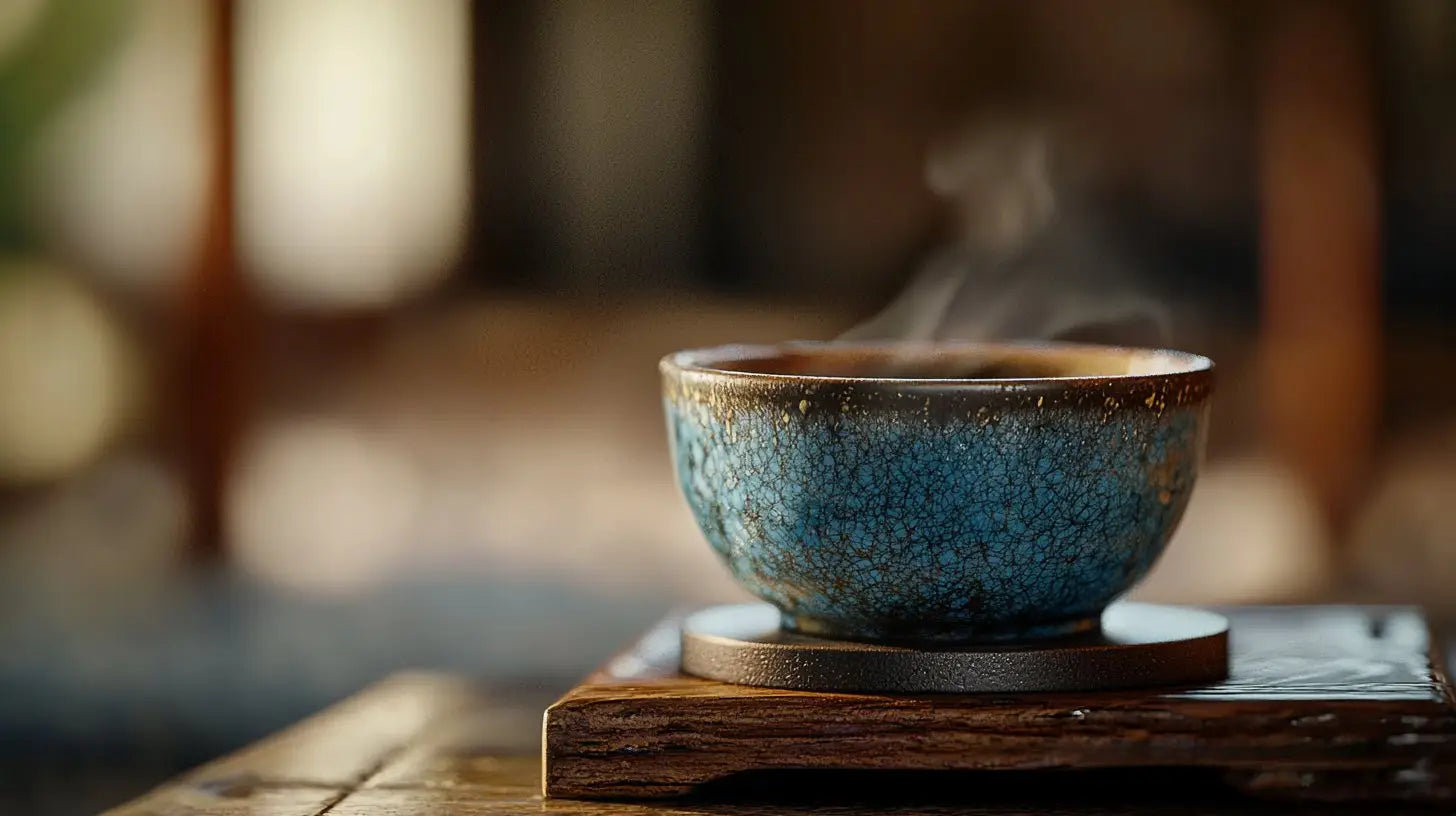
Una tetera Yixing nueva no necesita un tratamiento complicado, pero sí un manejo limpio. Las arcillas de Yixing y Zisha son porosas, por lo que la tetera puede absorber el aroma del té con el tiempo. El condimento prepara la arcilla para la elaboración, elimina el polvo de arcilla suelto y le ayuda a dedicar la tetera a una familia de té.
La regla más segura es simple: use agua limpia, un tipo de té elegido y nada de jabón. Una olla Yixing debe oler a té, no a detergente. Si todavía estás eligiendo una maceta, explora la Colección de utensilios de té Yixing Primero y haga coincidir la capacidad, la arcilla y la forma con el té que prepara con más frecuencia.
Antes de comenzar: elija una familia de té
Debido a que la arcilla de Yixing es porosa, muchos bebedores de té dedican cada tetera a una familia de té. Esto mantiene limpio el condimento y evita la transferencia de sabor. Puedes usar una tetera para Pu-erh maduro, otra para Pu-erh crudo, otra para oolong tostado y un gaiwan neutro cuando quieras comparar muchos tés.
| familia del té | Por qué funciona con Yixing | Buen emparejamiento para principiantes |
|---|---|---|
| Pu-erh | La retención del calor de la arcilla favorece las infusiones cortas y repetidas. | té pu erh |
| Oolong asado | La arcilla porosa puede suavizar el tostado y profundizar el aroma con el tiempo. | Té oolong |
| Té negro | La retención de calor favorece una taza más redonda y cálida. | té negro chino |
| Té verde o muy delicado | A menudo es mejor en porcelana o vidrio para obtener un sabor más limpio. | Gaiwan en lugar de Yixing |
Lo que necesitas
- Una nueva tetera Yixing o Zisha
- Agua limpia filtrada
- 5-10 g de té de hojas sueltas de la familia de tés que planeas usar
- Una olla limpia lo suficientemente grande como para contener la tetera y la tapa.
- Un paño suave o una toalla para proteger la arcilla.
Paso a paso: cómo condimentar una tetera Yixing
1. Enjuague la tetera y la tapa.
Retire la tapa y enjuague ambas piezas con agua corriente limpia. Frote suavemente el interior con los dedos para eliminar el polvo de arcilla suelto. No utilice jabón, detergente, bicarbonato de sodio ni limpiadores perfumados.
2. Calentar la arcilla poco a poco.
Coloca un paño limpio en el fondo de una olla y luego coloca la tetera y la tapa por separado sobre el paño. Agrega agua a temperatura ambiente hasta cubrir ambas piezas. Lleva el agua a fuego lento. Evite los cambios bruscos de temperatura; No dejes caer una olla Yixing fría en agua hirviendo.
3. Cocine a fuego lento brevemente y luego enfríe de forma natural.
Deje que la tetera hierva a fuego lento durante unos 10 minutos. Apaga el fuego y deja que todo se enfríe de forma natural en el agua. Esto ayuda a limpiar la arcilla sin estresarla.
4. Crea un baño de té
Reemplace el agua con agua dulce y agregue té de hojas sueltas de la familia de tés que planea preparar. Cocine a fuego lento durante 10 a 15 minutos, luego deje la tetera en remojo mientras se enfría. Algunos bebedores de té lo dejan durante unas horas. El remojo nocturno es opcional, no obligatorio.
5. Enjuague y seque al aire
Retire la tetera y la tapa, enjuáguelas con agua limpia y caliente y colóquelas boca abajo sobre una toalla. Mantenga la tapa separada para que pueda circular el aire. Deje que todo se seque por completo antes de la primera preparación.
Primera preparación después del condimento
Precalienta la olla con agua caliente, agrega té, enjuágala una vez y luego prepara infusiones cortas. Las primeras sesiones son parte del proceso real de sazonado. Una tetera Yixing se desarrolla mediante el uso repetido, no mediante un tratamiento dramático. Espere que la tetera se sienta más asentada después de 10 a 20 sesiones con la misma familia de té.
Errores comunes a evitar
- No utilices jabón. La arcilla porosa puede absorber el olor.
- No mezcle tés muy diferentes en la misma tetera.
- No frote con almohadillas metálicas ni herramientas abrasivas.
- No selle la olla mientras esté húmeda. Deje que la tapa y el cuerpo se sequen por separado.
- No busque un acabado brillante con aceites o productos químicos. El té y el tiempo son suficientes.
Cuidado diario de Yixing
Después de cada sesión, vacía las hojas, enjuaga la olla con agua caliente y déjala secar al aire libre sin la tapa. Limpie el exterior con un paño de cocina limpio si lo desea. Guarde la maceta en un lugar seco y con flujo de aire. Si la olla huele a humedad, enjuágala con agua caliente y déjala secar completamente antes de volver a usarla.
Preguntas frecuentes
¿Tengo que hervir una tetera Yixing nueva?
No. Un enjuague cuidadoso con agua caliente y varias sesiones de té pueden ser suficientes. Hervir a fuego lento es útil cuando desea una primera limpieza más tradicional, pero evite cambios extremos de temperatura.
¿Puedo condimentar una tetera Yixing con Pu-erh?
Sí. Pu-erh es una de las combinaciones más comunes de Yixing. Si bebes Pu-erh crudo y maduro con frecuencia, considera la posibilidad de preparar potes separados porque los aromas pueden ser muy diferentes.
¿Puedo usar una tetera Yixing para todos los tés?
Puedes, pero no es lo ideal. Un gaiwan neutro es mejor para probar muchos tés. Usa Yixing cuando quieras que una maceta dedicada crezca con una familia de té.
¿Cuánto tiempo dura el condimento Yixing?
La primera limpieza dura menos de una hora. El verdadero condimento se desarrolla a lo largo de muchas sesiones de té a medida que la arcilla entra en contacto repetidamente con el mismo té.
¿Qué debo comprar con una tetera Yixing?
Una configuración práctica incluye un bandeja de té, lanzador de justicia, tazas pequeñas y un té que planee preparar con frecuencia, como Pu-erh o oolong.