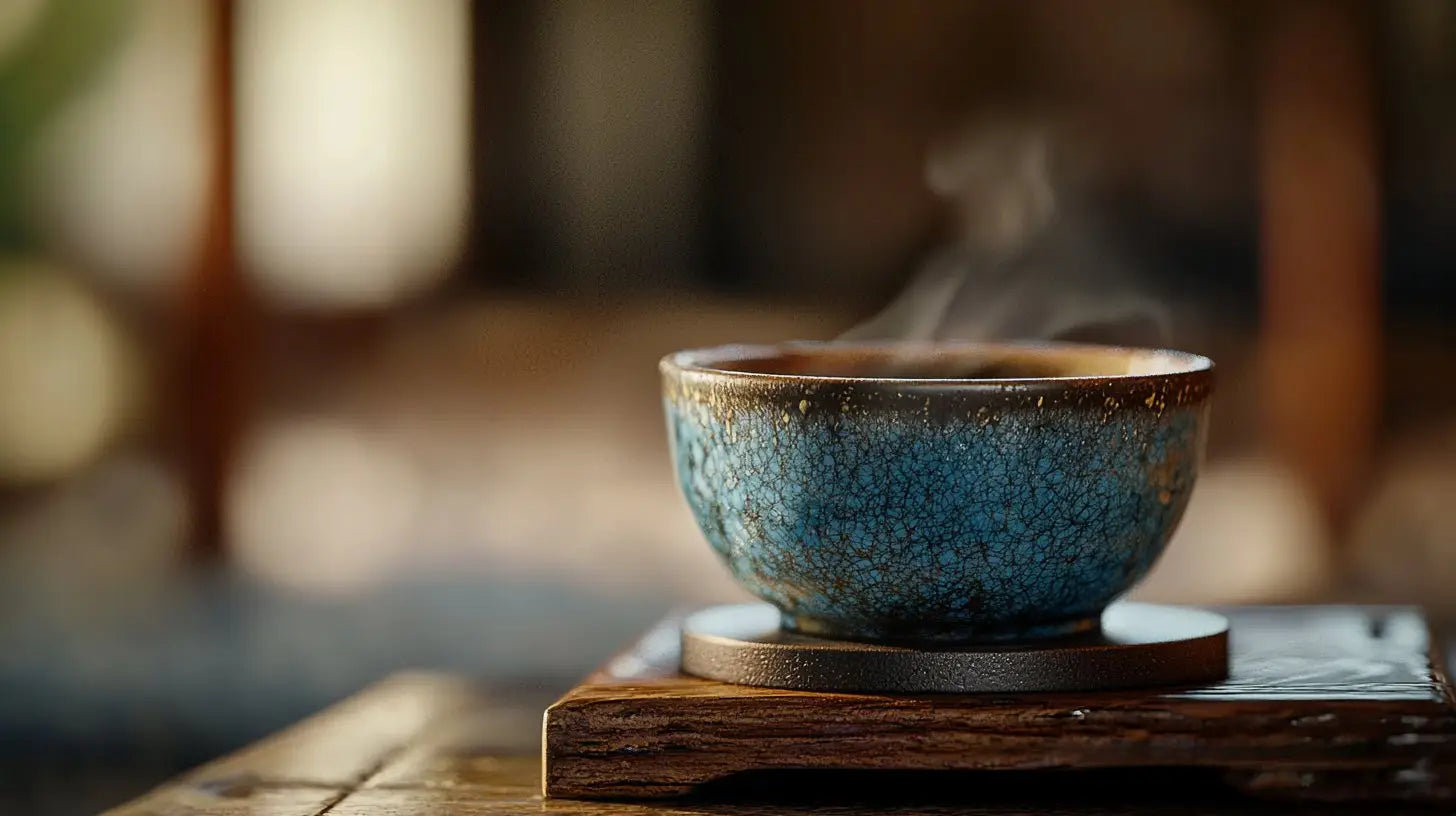
The short answer: Jian Zhan tea bowls matter because Song dynasty tea culture, iron-rich clay, and high-temperature kiln firing created dark cups that showed whisked tea clearly and still make Gongfu tea feel tactile today. The historical story is useful, but the buying decision should stay practical: glaze pattern, cup size, rim comfort, foot stability, daily tea match, and whether the piece fits your table.
This refreshed guide keeps the original search intent around Jian Zhan and the Song dynasty while removing vague language. If you want to compare current pieces, start with Tealibere's Jian Zhan and Tenmoku tea cups. If the naming is confusing, read Jian Zhan vs Tenmoku before choosing a glaze.
Quick Answer: What Makes Jian Zhan Historically Important?
| Question | Practical answer | What to check next |
|---|---|---|
| Why is Jian Zhan linked to the Song dynasty? | Song dynasty whisked tea culture valued dark bowls because pale tea foam was easier to see against the glaze. | Look for a bowl or cup shape that suits the tea style you actually brew. |
| What creates the glaze patterns? | Iron-rich clay, mineral glaze, high firing heat, kiln atmosphere, and cooling conditions create oil spot, hare fur, and dark Tenmoku effects. | Compare interior photos, rim finish, foot ring, and pattern clarity. |
| Is the imperial story a quality grade? | No. The imperial connection explains historical taste, not a guarantee that every modern cup is collectible. | Buy based on function, photos, size, and seller detail. |
| What is the easiest modern use? | A 50-80 ml cup works well for Gongfu oolong, Pu-erh, black tea, and repeated short infusions. | Pair it with a Gongfu tea set and good loose leaf tea. |
The Song Dynasty Link, Without the Hype
Jian Zhan comes from the Jian ware tradition associated with Jianyang in Fujian. During the Song dynasty, powdered and whisked tea was judged partly by foam color, texture, and persistence. A dark, deep bowl made that pale foam easier to see. That is why Jian ware became closely tied to elite tea culture and court taste.
For a modern buyer, the useful point is not that a cup is automatically superior because it references the Song dynasty. The useful point is that the form was developed for close attention: a bowl with weight in the hand, a dark interior that frames the tea, and a glaze surface made by fire rather than printed decoration.
How Kiln Process Shapes the Cup
Jian Zhan is valued because the surface is formed through firing conditions. Iron in the clay body and glaze reacts under high heat. The kiln atmosphere, cup angle, glaze thickness, and cooling curve all affect whether the final surface becomes speckled, streaked, dark, or iridescent.
- Iron-rich clay: gives the body its dark tone and contributes to the visual depth of the glaze.
- High firing temperature: helps the glaze melt, move, and separate into visible effects.
- Reduction atmosphere: limits oxygen in the kiln and changes how iron presents in the surface.
- Cooling variation: influences crystal formation, spot size, streak direction, and color shift.
This is why two handmade cups from the same kiln can look different. Variation is expected. The question is whether the specific cup remains comfortable, stable, and well photographed enough for you to judge it.
Glaze Value: What Buyers Are Actually Paying For
| Glaze family | What it shows | Why people value it | Buyer check |
|---|---|---|---|
| Oil spot | Metallic-looking speckles over a dark base | Strong visual contrast, especially inside the cup | Check spot density, interior clarity, and normal-light photos. |
| Hare fur | Fine streaks that move down the glaze | Quieter movement and a classic Jian ware look | Check whether the streaks look natural and whether the rim is smooth. |
| Dark Tenmoku | Black, brown, or deep iron-toned glaze | Calm daily use and strong tea color contrast | Check cup size, thickness, and whether it is bowl-shaped or tasting-cup-shaped. |
| Rainbow or iridescent glaze | Color shift under changing light | Display appeal and a more expressive tea table object | Ask whether the photos show studio light or ordinary room light. |
For a broader comparison of oil spot, hare fur, rainbow, and dark Tenmoku surfaces, use Tealibere's Jian Zhan glaze guide. It is a better path when you already understand the historical background and need to choose a real cup.
Daily-Use Buying Checks
A Jian Zhan cup can be historical, beautiful, and still wrong for your routine. Before buying, check the ordinary details first.
- Capacity: 50-80 ml is practical for Gongfu tea; 90-140 ml is better for casual solo drinking.
- Rim comfort: the lip should look smooth enough for repeated sipping.
- Foot stability: the cup should sit flat and not feel top-heavy.
- Interior visibility: the inside is what you see while drinking, so do not judge only the exterior.
- Tea match: oolong, Pu-erh, black tea, and roasted teas usually make the most sense in a dark cup.
- Care: rinse with warm water, dry fully, and avoid harsh detergent on the glaze.
Gift and Display Use
Jian Zhan works well as a gift because one cup can carry both story and function. It is easier to use than a large teaware set, but more personal than a generic mug. For a tea drinker, pair the cup with oolong, Pu-erh, or black tea. For someone new to loose leaf tea, pair it with a simple Gongfu tea set or a gentle tea from the loose leaf tea collection.
For display, choose a cup whose interior pattern is visible from above. A dramatic exterior can look beautiful on a shelf, but a tea cup earns daily value when the rim, weight, and capacity make you want to use it.
How to Fit Jian Zhan Into a Gongfu Session
A simple setup is enough: gaiwan or small teapot, fairness pitcher, Jian Zhan cup, and tea tray. Warm the cup with hot water before pouring tea. Use short infusions so the tea stays aromatic and the cup's heat retention feels useful rather than too hot. If you are still building the setup, browse Tealibere's Gongfu tea sets and choose the cup after you know the brewer size.
FAQ
Why were Jian Zhan bowls valued in the Song dynasty?
They suited whisked tea culture. The dark glaze made pale tea foam easier to see, and the bowl's weight and shape fit the close visual attention of Song dynasty tea contests and court taste.
Are Jian Zhan and Tenmoku the same?
They overlap in modern shopping language, but they are not always identical. Jian Zhan usually points to Chinese Jian ware inspired by Jianyang kiln traditions, while Tenmoku is a broader international term for dark-glazed bowls and cups. Read Jian Zhan vs Tenmoku for the naming details.
Does a rare glaze make a better tea cup?
Not automatically. A rare or dramatic glaze can raise visual value, but daily use still depends on capacity, rim comfort, heat feel, stability, and whether the cup suits the tea you drink.
What tea should I drink from Jian Zhan?
Oolong, Pu-erh, black tea, and roasted teas are the strongest matches because they have enough aroma, body, and color for small-cup tasting. Delicate green or white tea can work, but porcelain may show those teas more clearly.
Is Jian Zhan a good gift?
Yes, when the recipient likes tea, ceramics, or small daily-use objects. Choose a size they will actually use, include a tea pairing, and avoid presenting the cup as a future-value object.
Next Step
Start with the Jian Zhan and Tenmoku cup collection. Then compare the naming guide, the glaze guide, and a practical Gongfu tea set so the cup has a real place in your tea routine.