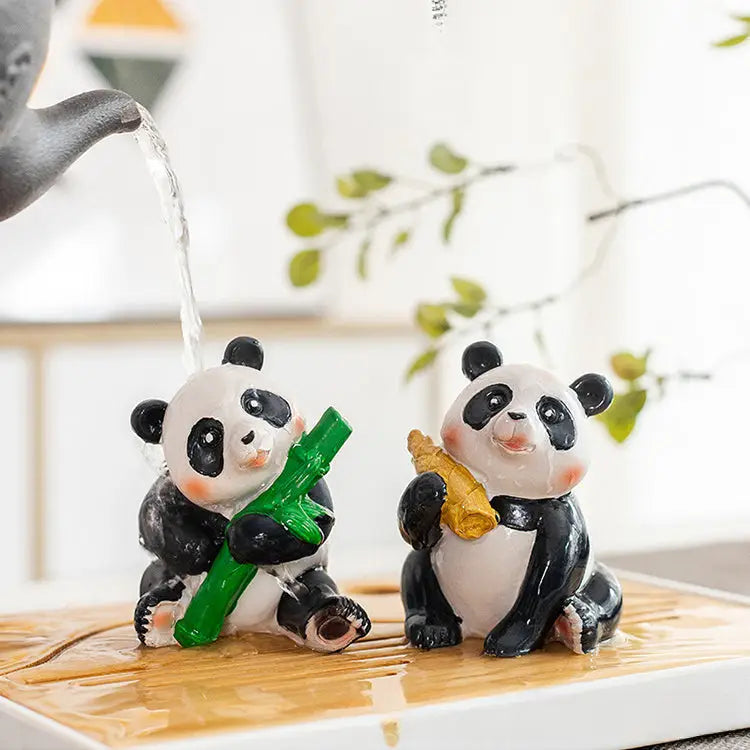
A tea pet is a small clay, ceramic, or resin companion placed on a Gongfu tea tray. During a tea session, drinkers may pour rinse water or leftover tea over it, creating a quiet table ritual and, with some materials, a slow patina over time. Some tea pets are symbolic. Some are playful. Some change color with heat. None should be treated as a promise of luck, health, wealth, or any fixed result.
If you are choosing your first one, start with Tealibere's tea pets collection, then use this guide to decide by size, material, and how you actually brew tea.
What Are Tea Pets Used For?
Tea pets give rinse water somewhere intentional to go. In Gongfu brewing, you often warm vessels, rinse leaves, and pour away a first splash of water or tea. A tea pet sits on the tray and becomes part of that rhythm.
- It adds personality to the tea table.
- It can mark the wet area of the tray.
- It can carry a symbolic meaning you enjoy.
- It can become a small conversation piece for guests.
Common Types of Tea Pets
| Type | What it offers | Good beginner path |
|---|---|---|
| Color-changing tea pet | Visible reaction when hot water is poured over it | Celestial Swan Color-Changing Tea Pet |
| Animal companion | Friendly shape and easy gift appeal | Panda Tea Pet |
| Guardian or Pixiu form | Stronger symbolic table presence | Fortune Guardian Pixiu Tea Pet |
| Fox or playful form | Personality and beginner-friendly symbolism | Fox Tea Pet |
Meaning Without Overclaiming
Tea pet meanings are cultural and personal. A turtle may suggest longevity, a Pixiu may suggest protection or prosperity, and a calm animal shape may make a table feel quieter. These associations can make a gift feel thoughtful. They should not replace concrete product details such as size, material, finish, and care.
For a deeper symbolic map, read Tea Pet Meaning by Animal. For placement, read Tea Pet Symbolism and Placement.
How to Use a Tea Pet
- Place the tea pet on a stable part of the tray.
- Warm your gaiwan, teapot, or cups as usual.
- Pour a small amount of rinse water or leftover tea over the pet.
- Let it dry after the session.
- Do not scrub with soap or force patina with oils or colored liquids.
What Size Should You Choose?
A small tray needs one compact tea pet. A medium tray can hold one more expressive figure. A large tea table can handle a stronger symbolic piece, but it should still leave room for the brewer, cups, and fairness pitcher.
If you do not yet have a tray, start with a tea tray or a complete Gongfu tea set before collecting several tea pets.
First Setup and Gift Advice
For a first setup, buy one tea pet before building a display. A single compact figure teaches you where rinse water naturally flows and whether your tray has enough working room. For a gift, include a short note about the meaning, material, and how to rinse it after tea. That makes the piece feel intentional rather than decorative clutter.
Color-Changing vs Clay Patina
Color-changing tea pets react quickly to hot water because of a heat-sensitive surface. Clay tea pets change more slowly, if at all, through repeated contact with tea and water. These are different effects. Read Why Does a Tea Pet Change Color? before buying if the visual change matters to you.
FAQ
Are tea pets only decorative?
No. They are decorative, but they also fit the water flow of Gongfu brewing. They give rinse water a place to go and make the tray feel more personal.
Do all tea pets change color?
No. Only color-changing tea pets have a heat-reactive surface. Clay and ceramic tea pets may develop a subtle patina over time but do not always change visibly.
What is the best tea pet for beginners?
Choose a compact figure that fits your tray, is easy to rinse, and has a meaning or shape you enjoy. A small animal or color-changing piece is usually easiest.
Next Step
Browse Tealibere tea pets, then pair your choice with a practical tea tray so it has a real place in your Gongfu setup.