Yixing purple clay teapots are useful because they are unglazed, heat-retentive, and traditionally dedicated to one tea family over time. They are not universal upgrades, and they do not improve every tea automatically. The buyer's job is to match the pot to a tea style, then use and care for it consistently.
This guide keeps the useful material explanation while removing overclaiming. If you are choosing a pot now, compare Tealibere's Yixing teaware collection, the Yixing tea-pairing guide, and the seasoning guide.
What Zisha Clay Can and Cannot Do
| Claim | Responsible way to understand it | Buying implication |
|---|---|---|
| Heat retention | Clay body and pot shape can hold warmth differently from thin porcelain. | Useful for roasted oolong, Pu-erh, and Chinese black tea. |
| Aroma memory | An unglazed pot can take on traces of repeated use. | Dedicate one pot to one tea family. |
| Seasoning | Regular use may create a softer surface feel and patina. | Use the pot often; do not force it with oils or soap. |
| Better tea | No pot makes every tea better. | Use a gaiwan when you are still comparing tea types. |
Why Dedication Matters
Most Yixing teapots are unglazed inside. That is why experienced drinkers often dedicate one pot to one tea family: ripe Pu-erh, raw Pu-erh, roasted oolong, Wuyi rock tea, Dancong, or Chinese black tea. A pot used for many unrelated teas can blur the very details you are trying to taste.
If you are still exploring, start with a handmade gaiwan. If you already repeat one tea family, Yixing becomes more useful.
Clay Names: Useful, But Not Enough
Names such as Zi Ni, Zhu Ni, Hong Ni, and Duan Ni can describe clay direction, color, and firing tradition, but a name alone does not prove quality. Look at the whole object: capacity, lid fit, pour control, balance in the hand, wall thickness, and whether the product page explains the pot's use clearly.
For a first purchase, function matters more than collecting clay vocabulary. A beautiful pot that pours poorly will not become a better brewer just because the clay name sounds impressive.
Choose by Tea Style
| Tea you repeat | Yixing fit | Tealibere path |
|---|---|---|
| Ripe Pu-erh | Strong candidate for a dedicated pot | Pu-erh tea and 2017 Menghai Ripe Pu-erh Cake |
| Roasted oolong or Wuyi rock tea | Good fit when you brew Gongfu style often | Oolong tea and Wuyi Rougui Rock Tea |
| Dancong oolong | Possible, but many drinkers still prefer a gaiwan for aroma comparison | Duck Shit Aroma Dancong Oolong |
| Green or delicate white tea | Usually less ideal for a first Yixing pot | Use neutral porcelain or glass first. |
Capacity and Shape Still Matter
A 100-150 ml pot is usually the most flexible first size for one or two drinkers. Smaller pots make sense for expensive teas and close tasting. Larger pots work for guests but can use more leaf and may cool differently.
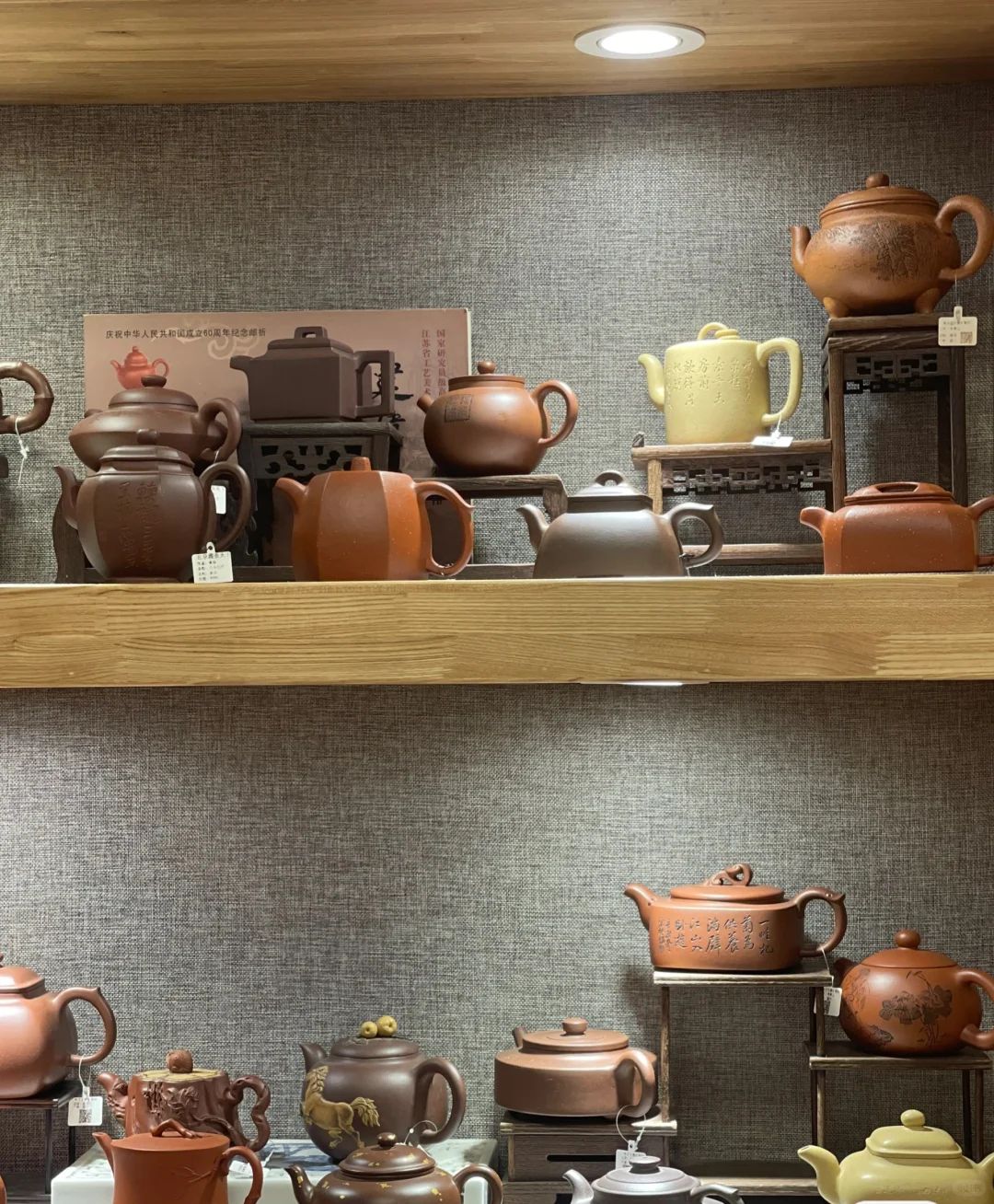
Shape affects leaf movement. Taller pots can suit long strip-style leaves. Rounder forms can be flexible for fuller teas. Flat shapes may suit some rolled or compressed leaves, but they are not automatically better.
Care Boundaries
- Rinse with hot water before first use.
- Do not use soap inside an unglazed Yixing pot.
- Let the pot dry fully with the lid off.
- Do not use oils or artificial shortcuts to force patina.
- Read How to Season a Yixing Teapot before building a routine.
FAQ
Is Yixing clay better than porcelain?
Not always. Porcelain is better for comparing many teas because it is neutral. Yixing is better when you already repeat one tea family and want a dedicated vessel.
Can one Yixing teapot brew every tea?
It can physically brew many teas, but that is not the best use of an unglazed pot. Dedication keeps aroma and use more coherent.
What should my first Yixing pot be for?
Choose the tea you already drink most: ripe Pu-erh, roasted oolong, Wuyi rock tea, Dancong, or Chinese black tea. Then pick size and shape around that tea.
Next Step
Start with Yixing teaware, compare Yixing teapot sizes, and read what buyers can actually check before choosing a pot.