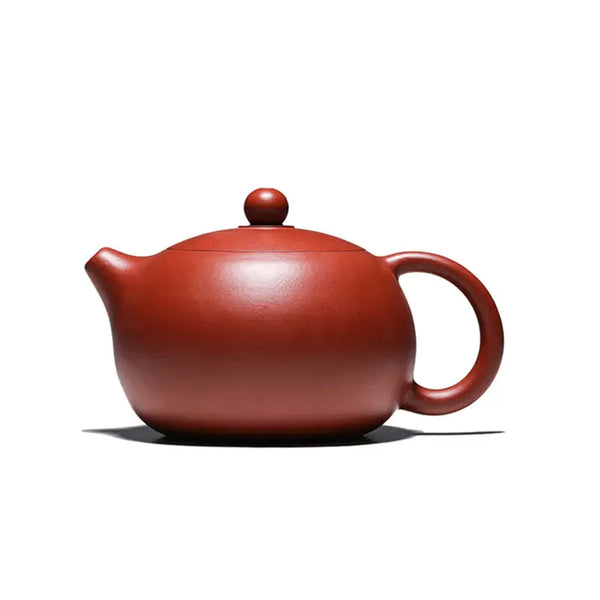
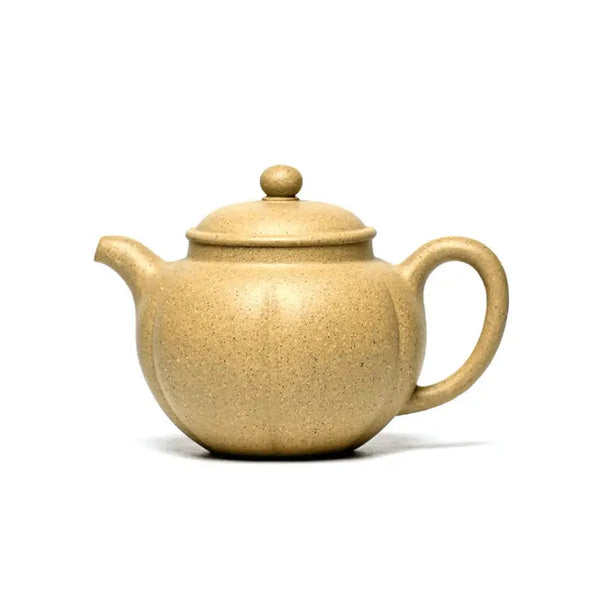
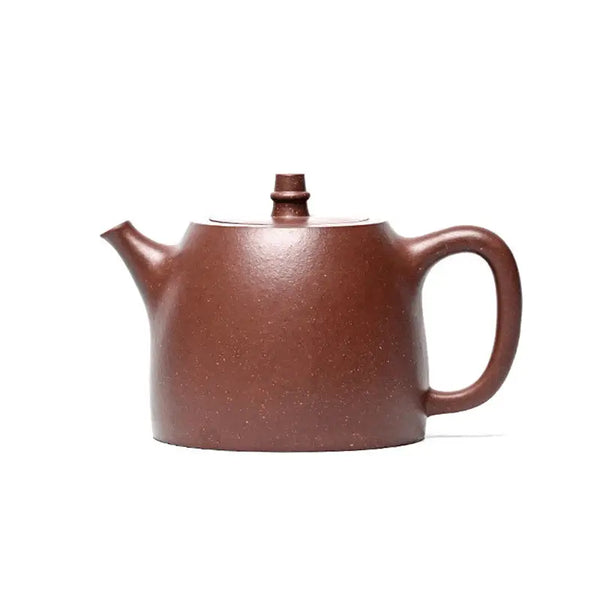
Most first Yixing buyers should stay between 120ml and 180ml for solo Gongfu tea, 180ml to 240ml for two people, and 240ml to 300ml for a small relaxed group. Go smaller if you brew expensive Pu-erh or roasted oolong alone. Go larger only when you regularly pour for other people. The right Yixing teapot size is not the one that looks most impressive on a shelf; it is the one you can empty cleanly, refill comfortably, and use often.
Start with the buying decision
Choose Yixing capacity for the sessions you actually brew
Start with cup count and the tea family you will dedicate to the pot. Compare current teapots first, then choose Pu-erh or oolong for consistent use.
If you already know you want a dedicated clay pot, start with Tealibere's Yixing teaware collection. If you are still choosing between clay and a neutral brewer, read what size gaiwan should I buy first, then come back to Yixing when one tea family keeps winning.
Quick Yixing Teapot Size Guide
| Capacity | Best for | Why it works | Tealibere examples |
|---|---|---|---|
| 100-120ml | Focused solo sessions | Very concentrated, leaf-saving, and fast. Best if you already enjoy small Gongfu pours. | Use as a reference size if you drink alone and prefer very small cups. |
| 150-180ml | Daily solo Gongfu tea | Enough room for whole leaves, still small enough for repeated short infusions. | Clay Moon, 160ml; Frog's Wisdom, 180ml |
| 200-240ml | One generous drinker or two people | A practical middle size when you share tea but still want a Gongfu rhythm. | Dragon & Koi Fish, 230ml; Crimson Spiral, 240ml |
| 250-300ml | Small groups and slower table sessions | Useful when you pour for several cups, but it uses more leaf and feels less focused for solo brewing. | Lotus Pond, 270ml; Eclipse, 300ml |
Why Capacity Matters More Than Decoration
Yixing teapots are easy to judge by shape, carving, clay color, or symbolism. Those details matter for the feeling of the tea table, but capacity decides whether the pot is practical. Gongfu brewing uses more leaf and less water than a Western mug. If the pot is much too large, you either use too much tea or make a thin infusion that does not show why Yixing was worth buying.
A smaller pot also helps you pour the full infusion out quickly. That matters because leaves continue brewing if water sits inside the pot. A clean empty pour keeps the next round from turning flat or bitter, especially with oolong tea and Pu-erh tea.
Start With Cups, Not With the Teapot
The easiest way to choose capacity is to count the cups you actually use. Many Gongfu cups hold about 30ml to 60ml. If you drink alone with one 50ml cup, a 160ml pot already gives several small pours into a fairness pitcher or cup sequence. If you drink with two people, a 200ml to 240ml pot is often more relaxed. If you serve three or four people, 270ml to 300ml can make sense, as long as you accept the larger leaf dose.
This is why a 300ml Yixing pot can be both useful and wrong, depending on the table. It is useful for shared sessions. It is usually too large for a solo drinker who wants tight, concentrated Gongfu rounds.
Best Size for Solo Gongfu Tea
For one person, choose 120ml to 180ml unless you already know you prefer a larger pour. This range keeps the session nimble. It lets you brew several short rounds without using a large amount of leaf, and it makes it easier to learn how one tea changes over time.
Tealibere's Clay Moon, 160ml is a useful reference point: small enough for focused brewing, but not so tiny that every pour feels technical. Frog's Wisdom, 180ml gives a little more breathing room if you like slightly fuller cups or often brew tea while working at a desk.
Best Size for Two People
For two people, look at 180ml to 240ml. This size lets you pour two small cups comfortably, or decant into a fairness pitcher and divide the tea evenly. It still feels like Gongfu tea, rather than becoming a large Western teapot session.
Dragon & Koi Fish, 230ml and Crimson Spiral, 240ml sit in this shared-session range. Choose this size if you often brew for a partner, a friend, or a guest who wants to taste several infusions without waiting through constant refills.
Best Size for Small Groups
For three or four people, a 250ml to 300ml Yixing teapot is easier to serve from. It gives you enough liquid to pour a round for several cups, especially when the group is casual and you do not want every infusion to feel too precious.