A tea pet changes color for two different reasons: some color-changing tea pets react immediately to heat, while clay or unglazed tea pets change slowly as tea builds a patina on the surface. If your tea pet shifts color as soon as hot water or tea touches it, the effect is usually temperature-triggered. If it darkens over weeks or months, that is the slower result of repeated Gongfu tea sessions.
Start with the buying decision
Choose the tea pet, then check the tray space
Color-changing behavior is only one detail. Compare the symbol, base size, and material, then make sure the figure fits without blocking the brewer or water flow.
That distinction matters because beginners often put every tea pet into one category. A playful color-changing fox or crab is not the same object as a porous Zisha clay companion that slowly absorbs tea. Both can belong on a Gongfu tea tray, but they age, clean, and perform differently. If you are choosing your first one, start with the full Tealibere tea pets collection, then use this guide to decide whether you want an instant hot-water effect, a slow patina, or a quiet decorative piece.
The Short Answer: Heat Change vs Tea Patina
Most instant color-changing tea pets use a heat-sensitive surface or coating. Pour warm water or tea over the figure and the color appears, brightens, or shifts. As the piece cools, the color usually fades back toward its resting state. This is why a color-changing tea pet feels lively during the first rinse of a Gongfu session.
A traditional clay or unglazed tea pet changes more slowly. It may darken, soften, or become glossier because tea touches the surface again and again. This is not a quick trick. It is closer to seasoning: the tea pet becomes part of your daily table through repeated use.
Why Color-Changing Tea Pets React So Quickly
A color-changing tea pet is made to respond to heat. The visual effect is strongest when the water is hot enough to warm the surface quickly. That is why the change often appears during a Gongfu rinse, when you warm the gaiwan, cups, fairness pitcher, or tray before drinking the main infusions.
The effect is decorative, not a test of tea quality. A stronger color shift does not mean the tea is better, older, or more authentic. It simply means the surface reached the temperature needed to show the change. When the piece cools, the color may fade again. That is normal.
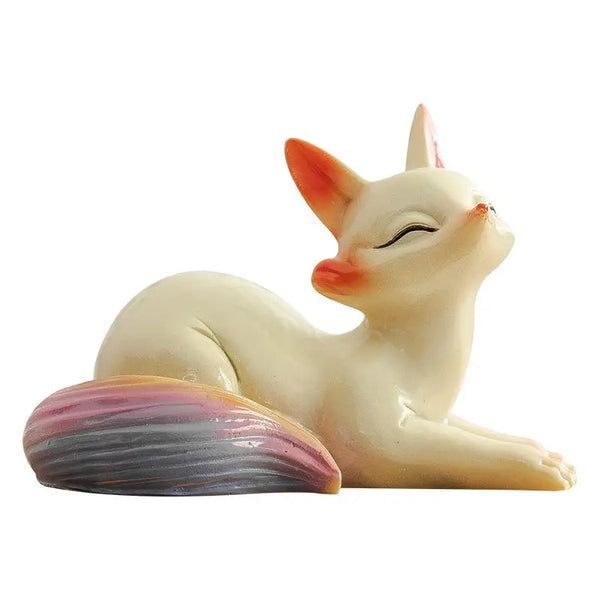
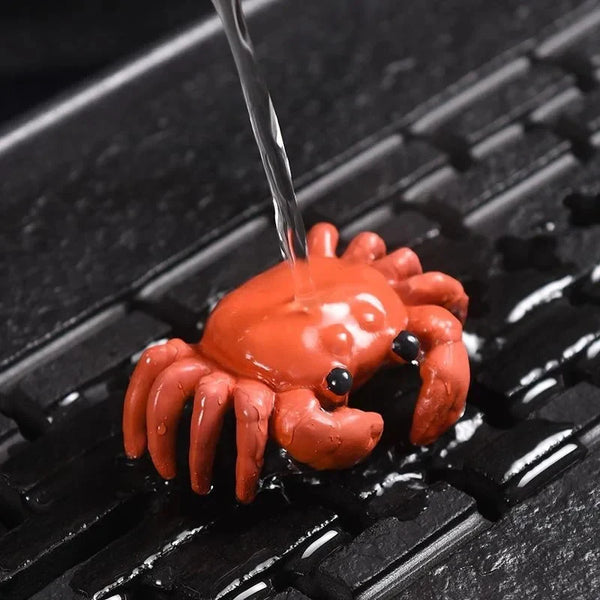
For a first playful piece, look at the Color-Changing Fox Tea Pet, the Color-changing Crab Tea Pet, or the Color-changing Golden Toad Tea Pet. They make the "why did it change color?" moment easy to understand, especially for guests or new tea drinkers.
Why Clay Tea Pets Change Slowly
Unglazed clay and Zisha-style tea pets are different. They do not need to flash a new color every time hot water touches them. Their change comes from repetition: tea rinse, leftover tea, air drying, and gentle handling. Over time, the surface may develop a soft patina that makes the figure look less new and more personal.
If that is the kind of ritual you want, choose a simple piece such as a Zisha Clay Tea Pet or a small animal form that you enjoy seeing every day. The value is not speed. It is the quiet record of many tea sessions.
Which Type Of Tea Pet Should You Choose?
| Tea pet type | How it changes | Best for | Tealibere path |
|---|---|---|---|
| Color-changing tea pet | Reacts quickly when hot water or tea warms the surface. | Beginners, guests, gifts, and playful Gongfu sessions. | Fox, Crab, Cabbage, or Golden Toad. |
| Clay or Zisha tea pet | Changes slowly through tea contact, patina, and daily handling. | People who want a calm long-term tea companion. | Zisha Clay Tea Pet or other quiet symbolic forms. |
| Decorative ceramic tea pet | May not change much; the appeal is shape, symbol, and table mood. | Small trays, shelves, and gift sets where easy care matters. | Browse all tea pets by shape and meaning. |
How To Use A Color-Changing Tea Pet
Place the tea pet on a tea tray before the session begins. After you warm your vessel or rinse the leaves, pour a small amount of hot water or tea over the tea pet. You do not need to soak it for a long time. A brief pour is enough to show the effect and make the rinse feel intentional rather than wasted.
Let the tea pet sit on the tray while you brew. If you use a drainage tray, the extra liquid can run off naturally. If you use a dry tray or a small mat, pour more carefully and wipe the surface after the session. The point is to make the tea pet part of the rhythm, not to flood the table.