The Ultimate Guide to Chinese Teaware: From Jian Zhan to Yixing
In Chinese tea culture, the vessel is as important as the leaf. The right teaware doesn't just hold tea — it enhances flavor, retains heat, and connects you to centuries of ceramic artistry. This comprehensive guide covers every major type of Chinese teaware, why each matters, and how to choose.
1. Jian Zhan Tenmoku Tea Cups (建盏)
Origin: Jianyang, Fujian Province
Era: Song Dynasty (960–1279 AD), revived 1980s
Material: Iron-rich clay unique to the Jianyang region
Firing: 1300°C+ in a reducing-atmosphere kiln
What Makes Jian Zhan Special
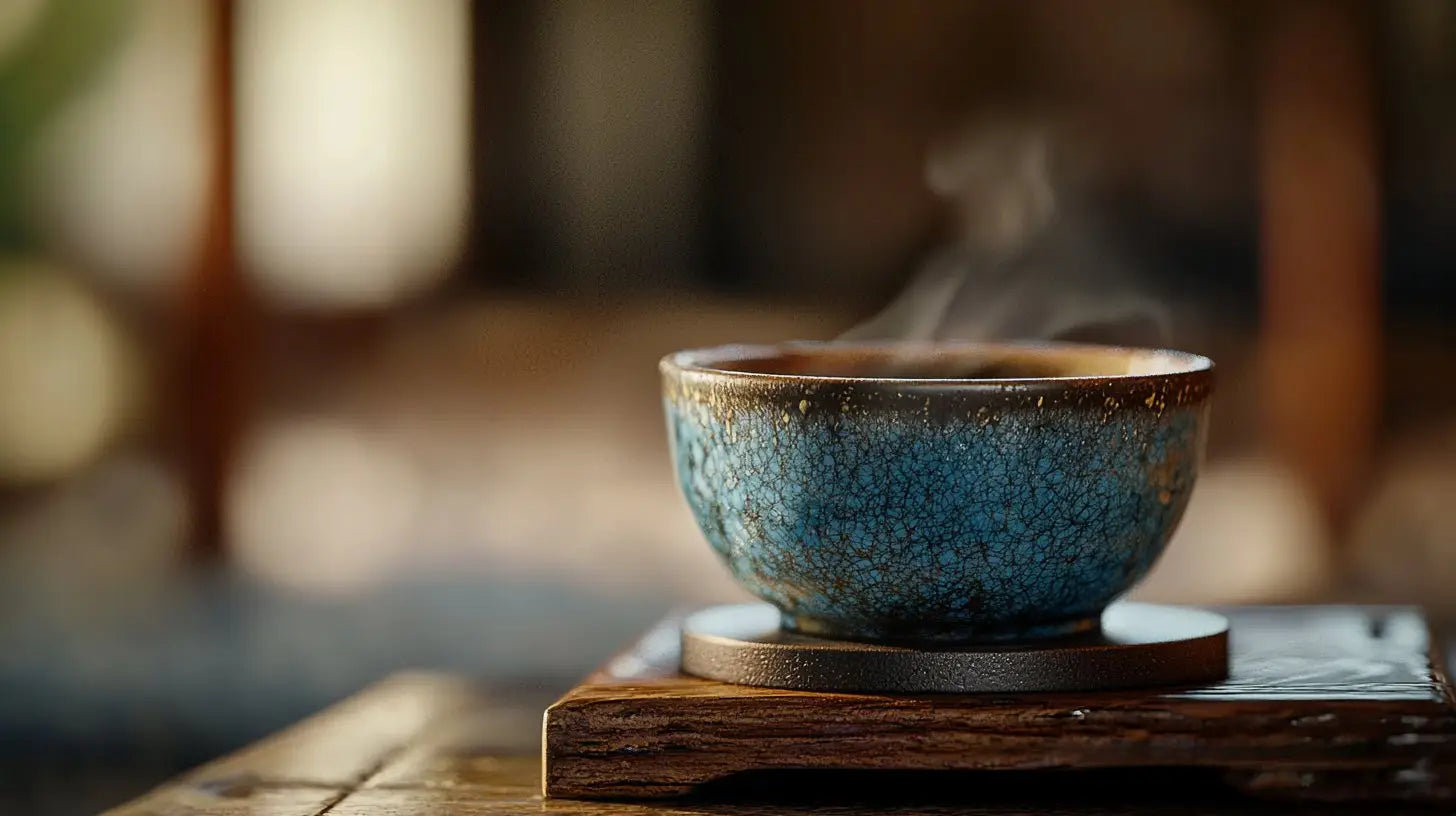
Jian Zhan (建盏) are the original Tenmoku tea bowls — born from Song Dynasty imperial tea contests. The iron-rich glaze reacts unpredictably with extreme kiln heat, producing entirely unique crystalline patterns on each cup. Two cups from the same kiln, fired side by side, will look completely different. This is art created by collaboration between the potter and fire.
Glaze Types
- Oil Spot (油滴): Silver or golden droplets scattered across the glaze. Created by iron crystals rising to the surface during firing.
- Hare's Fur (兔毫): Fine, fur-like streaks radiating from the rim. The most classic Jian Zhan pattern.
- Rainbow Tenmoku / Yaobian (曜变): Iridescent, rainbow-colored spots that shift with light angle. The rarest — only 3 intact Song-era yaobian bowls survive worldwide (all in Japanese museums).
- Partridge Feather (鹧鸪斑): Spotted pattern resembling partridge breast feathers.
- Persimmon Red (柿红): Deep reddish-brown from oxidation during firing.
Why Jian Zhan Enhances Tea
The iron-rich clay body releases trace Fe²⁺ ions that can soften water and reduce astringency. The thick walls retain heat longer. Many tea connoisseurs report a distinctly smoother, sweeter cup from Jian Zhan compared to standard porcelain.
Care
Hand wash with water only. No soap, no dishwasher, no microwave. The cup develops a subtle sheen (bao jiang 包浆) with tea use over time — this patina is desired, not damage.
Price range: $29–$89
Best for: All teas, especially oolong and Pu-erh
Learn more: Jian Zhan Song Dynasty Legacy | Oil Spot & Tenmoku Glazes
2. Yixing Purple Clay Teapots (宜兴紫砂壶)
Origin: Yixing, Jiangsu Province
Tradition: 500+ years, Ming Dynasty origins
Material: Zisha (purple sand) — a rare stoneware clay found only in Yixing's Huanglong Mountain area
Why Yixing Is Considered the Best Teapot
Yixing zisha teapots are widely regarded as the finest vessels for brewing tea. Four properties set them apart:
- Double-pore structure: Micro-breathing through the clay walls keeps tea at optimal temperature
- Flavor absorption: Unglazed zisha absorbs tea oils with every session, building a "tea memory"
- Heat retention: Superior to porcelain or glass — ideal for teas that need sustained high heat
- No glaze needed: Naturally dense enough to hold water without glazing
Clay Types
| Clay | Color | Character | Best For |
|---|---|---|---|
| Zini (紫泥) | Purple-brown | Rich, neutral, versatile | Pu-erh, oolong, black tea |
| Zhuni (朱泥) | Vermilion red | Thin walls, high heat | Light oolong, green tea |
| Duanni (段泥) | Yellow-green | Light, more porous | Green tea, white tea |
| Hongni (红泥) | Red | Medium body | Black tea, oolong |
The "One Pot, One Tea" Rule
Yixing connoisseurs dedicate each pot to a single tea type. Because the clay absorbs the tea's character, mixing types would muddle the accumulated flavor. This is a feature, not a limitation — after months of use, your pot will brew noticeably better tea even with water alone.
How to Choose
Five factors matter most: (1) Clay type for your preferred tea, (2) Size — 100–150ml for solo, 200–300ml for groups, (3) Spout flow — clean pour without dripping, (4) Lid seal — should create suction when you cover one hole, (5) Authenticity — genuine zisha has visible sand-grain texture. Full choosing guide →
The Science
What makes zisha clay unique? Read The Science Behind Yixing Clay for the mineralogy.
Price range: $45–$180
Best for: Oolong, Pu-erh, black tea
3. Gaiwans (盖碗) — The Universal Vessel
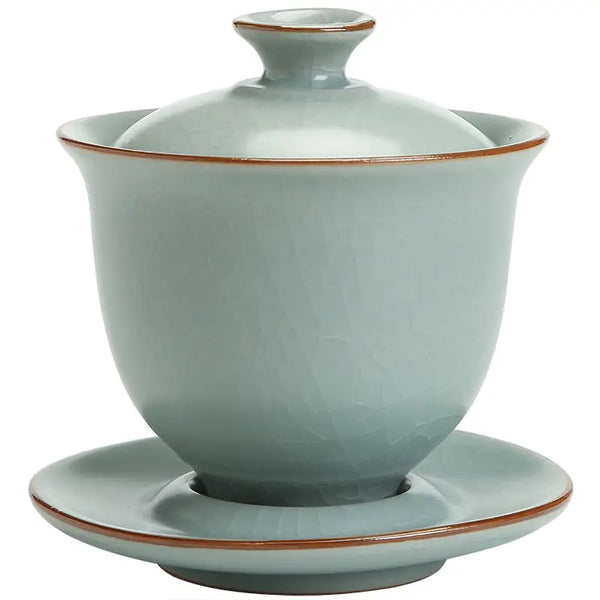
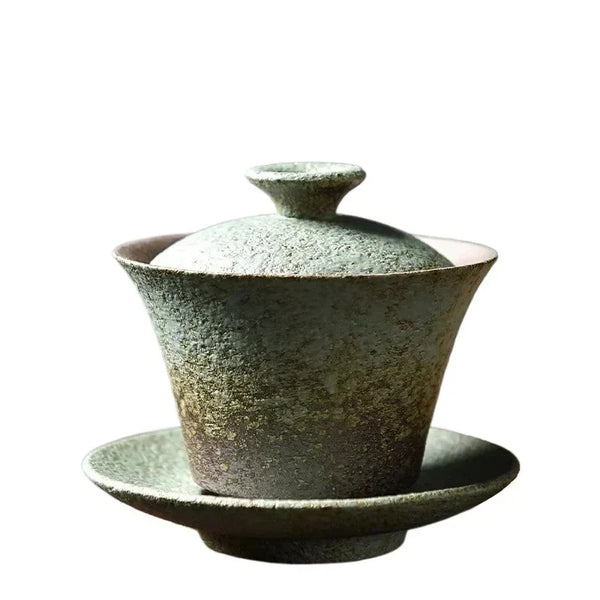
What it is: A lidded bowl (gai = lid, wan = bowl) — typically porcelain, 100–150ml
Origin: Evolved during the Ming Dynasty when loose-leaf tea replaced powder tea
Why Every Tea Lover Needs a Gaiwan
The gaiwan is the most versatile brewing vessel in Chinese tea:
- Works for all 6 tea types — unlike Yixing, which favors specific teas
- Shows the tea clearly — observe leaf color, unfurling, and liquor clarity
- Easy to control — adjust steep time precisely by tilting the lid
- Easy to clean — non-porous porcelain doesn't retain flavors
- Perfect for comparing teas — neutral body gives you the tea's true character
Gaiwan vs Teapot
When should you use which? A porcelain gaiwan reveals a tea's true nature without enhancement. A Yixing teapot enhances a specific tea over time. Beginners should start with a gaiwan for versatility. Enthusiasts typically own both.
Price range: $25–$65
4. Jingdezhen Porcelain (景德镇瓷器)
Origin: Jingdezhen, Jiangxi Province — "Porcelain Capital of China"
Tradition: 1,700+ years, official imperial kiln since 1004 AD
Jingdezhen is legendary for fine, hard-paste porcelain with translucent walls and brilliant decoration. The city has produced porcelain for Chinese emperors, European royalty, and global collectors for over a millennium.
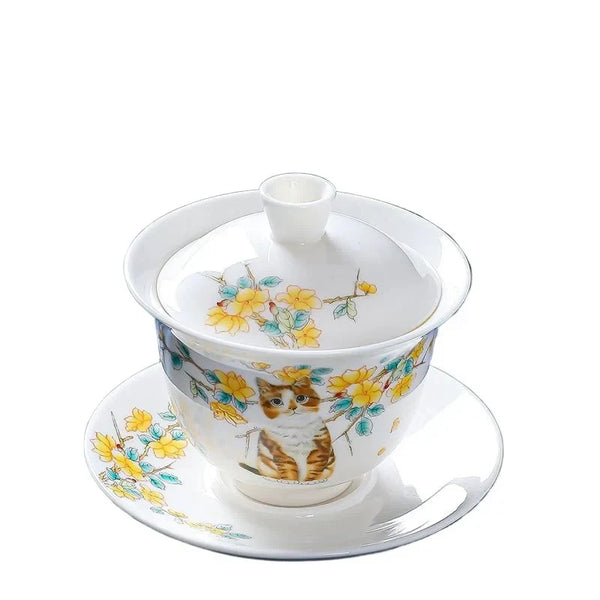
What Tealibere offers: Hand-painted enamel porcelain teaware — gaiwans, cups, and tea sets featuring traditional motifs (plum blossoms, landscapes, birds, calligraphy). Each piece is painted by artisans specializing in specific techniques.
Best for: Display-worthy teaware that's also fully functional. Green tea, white tea, and light oolongs where neutral flavor matters.
Price range: $35–$120
Learn more: The Art of Jingdezhen Enamel Porcelain
Compare Jingdezhen Porcelain →
5. Dehua White Porcelain (德化白瓷)
Origin: Dehua, Fujian Province
Known as: "Blanc de Chine" in Europe
Tradition: Ming Dynasty (1368–1644)
Dehua porcelain is prized for its warm ivory-white color, jade-like translucency, and smooth, comforting feel. Unlike the blue-white of Jingdezhen, Dehua porcelain has a distinctive warmth considered more elegant by Chinese tea aesthetes.
Why it's ideal for delicate teas: Completely neutral — won't absorb, alter, or enhance any flavor. When you want to taste the tea exactly as it is, Dehua porcelain is the answer. Perfect for green tea, white tea, and light oolongs.
Price range: $25–$65
Learn more: Dehua White Porcelain: A Tradition of Pure Craft
6. Jianshui Purple Pottery (建水紫陶)
Origin: Jianshui, Yunnan Province
Distinction: National intangible cultural heritage
Jianshui pottery is unique for three reasons:
- Carved inlay art (yinke tiancai): Artists carve calligraphy or imagery into wet clay, fill with contrasting colored clay, then fire and polish smooth. The decoration is embedded in the vessel, not painted on.
- Mirror polish: After firing, potters hand-polish the surface to a mirror-like finish — no glaze whatsoever.
- Exceptionally fine clay: Below 200 mesh, producing a dense, naturally smooth body.
Best for: Pu-erh tea (both from Yunnan — a natural pairing), black tea, and oolong. Also collected as functional art.
Price range: $40–$150
Learn more: Jianshui Zitao: Yunnan's Purple Pottery Heritage
7. Tea Accessories
Tea Trays (茶盘)
The tea tray is the stage for your Gongfu tea ceremony. It catches overflow from rinsing, warming, and pouring — keeping your table dry while you focus on tea. Available in bamboo, stone, and ceramic.
Shop Tea Trays →
Tea Pitchers / Fairness Cups (公道杯)
After steeping in a gaiwan or teapot, tea is poured into a fairness pitcher to ensure even concentration before distributing to cups. Essential for multi-person Gongfu sessions.
Shop Tea Pitchers →
Tea Pets (茶宠)
Handmade ceramic figurines that live on your tea tray. Pour leftover tea over them to develop a patina. Some change color with hot water. They carry feng shui symbolism — Pixiu for wealth, Golden Toad for prosperity, Buddha for happiness.
Shop Tea Pets → | Tea Pet Meaning & Care Guide | Feng Shui Placement Guide
Matching Teaware to Tea: Quick Reference
| Tea Type | Best Vessel | Why |
|---|---|---|
| Green tea | Glass or Dehua porcelain | Neutral, preserves delicate flavor |
| White tea | Porcelain gaiwan or glass | Neutral, appreciates subtle notes |
| Light oolong | Zhuni Yixing pot or gaiwan | High heat retention for floral notes |
| Roasted oolong | Zini Yixing pot | Absorbs and enhances deep flavors |
| Raw Pu-erh | Zini Yixing pot or gaiwan | Sustained heat, flavor building |
| Ripe Pu-erh | Zini Yixing pot or Jianshui | Earthy enhancement |
| Black tea | Porcelain or Yixing | Versatile |
| Any tea | Jian Zhan cup | Iron-rich clay softens water, enhances all teas |
How to Start Your Teaware Collection
Step 1: Get a porcelain gaiwan (100–150ml). This single vessel can brew all tea types.
Step 2: Add a Jian Zhan tenmoku cup for your daily drinking. The unique glaze and iron-rich clay make every cup special.
Step 3: When you find "your" tea, invest in a Yixing teapot dedicated to it. This is when your tea journey deepens.
Step 4: Build out your Gongfu tea set — add a tea tray, fairness pitcher, and a tea pet companion.
Learn the ceremony: Complete Guide to Gongfu Cha for Beginners →
Frequently Asked Questions
Q: What is the best teaware for a beginner?
A: A porcelain gaiwan (100–150ml) is the best starting point. It works for all tea types, is easy to use, and lets you observe the tea clearly. Pair it with 2–3 tasting cups and you have everything you need.
Q: Is handmade teaware worth the price?
A: For daily tea drinkers, absolutely. Handmade Jian Zhan cups ($29–$89) are unique art pieces that also enhance tea flavor. A Yixing teapot ($45–$180) will improve your tea for years. The per-session cost over a year of daily use is pennies.
Q: How do I know if a Yixing teapot is authentic?
A: Real zisha has visible sand-grain texture, a slightly rough feel, and a clear ring when tapped. It absorbs water (doesn't bead on the surface). Prices below $20 almost always indicate mass-produced fakes. Buy from trusted sources with artisan provenance.
Q: Can I use one teapot for different teas?
A: Porcelain gaiwans and glass are versatile — use them for any tea. Yixing teapots should be dedicated to one tea type, as the porous clay absorbs flavor. This is actually a benefit: your pot will brew increasingly better tea over time.
Q: What's the difference between Jian Zhan and regular ceramic cups?
A: Jian Zhan cups are made from iron-rich clay (8–10% Fe₂O₃) fired at 1300°C+ to create unique crystalline glaze patterns. Standard ceramic cups are mass-produced with uniform glazes. Jian Zhan offers better heat retention, trace mineral release, and one-of-a-kind visual art.
Browse all handcrafted teaware at Tealibere — every piece authentically handmade by artisans in China.