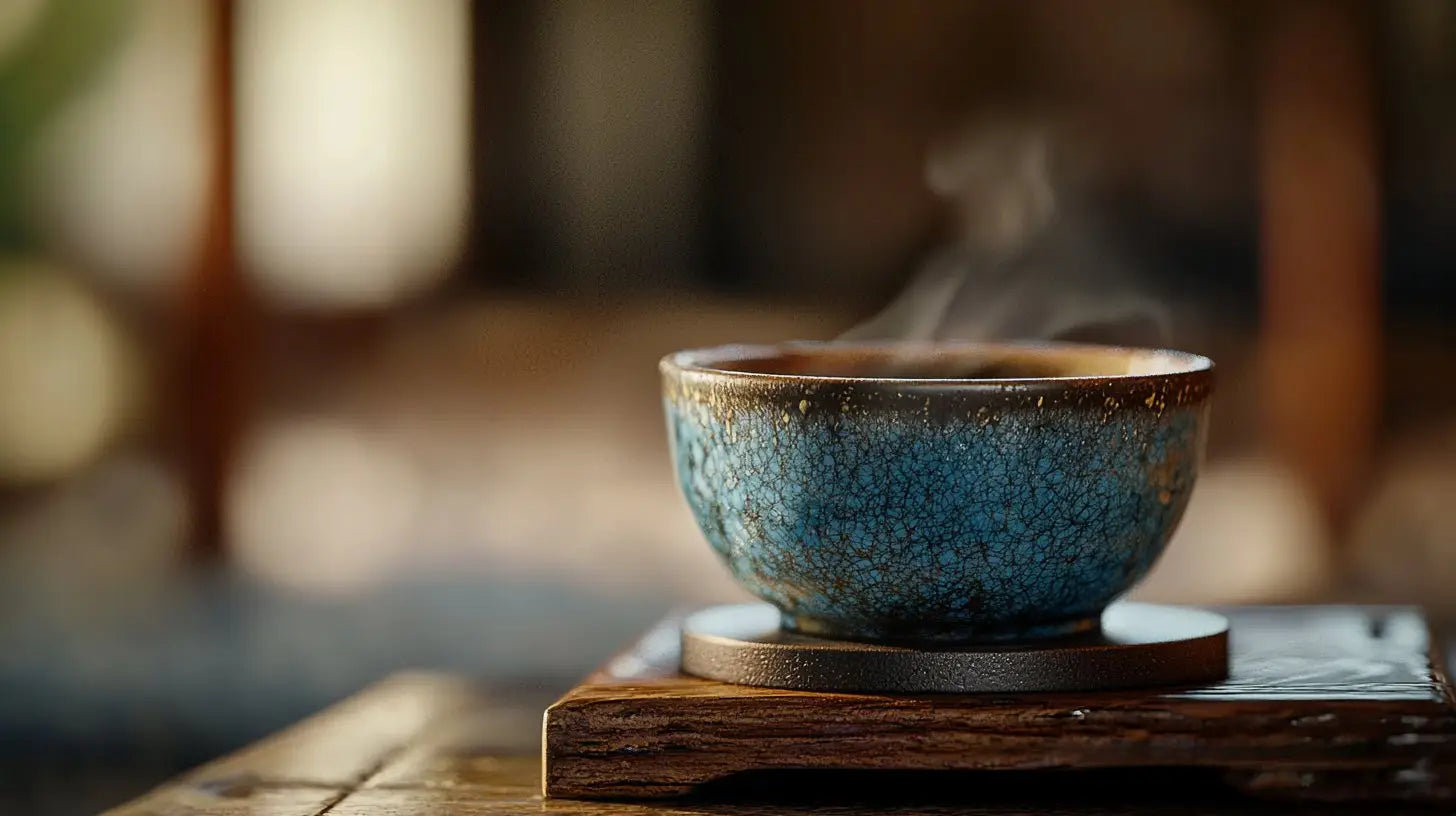
Rather than focusing on a single sip, pu-erh is best tasted across a full session. Pay attention to how each infusion feels and how the tea changes over time.
1. Aroma (Before Drinking)
Smell the warm leaves and the cup. Aroma sets expectations, but it should not dominate your judgment.
2. Entry (First Sip)
Notice how the tea arrives on the palate—bright, soft, sharp, or calm.
3. Texture (Mouthfeel)
Focus on weight and flow: thin, thick, smooth, or drying. Texture is often more revealing than flavor notes.
Think in Sessions, Not Sips
Pu-erh is designed to be brewed multiple times. A single infusion rarely tells the full story.
Does the tea hold interest across infusions?
Does sweetness deepen or fade?
Does texture remain stable?
Collector mindset: Consistency across a session often matters more than intensity in one cup.
Common Tasting Misconceptions
Strong bitterness does not equal quality
Loud aroma does not guarantee depth
Complex notes matter less than balance
Reminder: Clarity and balance often outlast dramatic first impressions.
FAQ
Should I rinse pu-erh before tasting?
A quick rinse is common, especially for compressed tea, to awaken leaves and clear dust.
Is there a correct flavor I should taste?
No. Pu-erh varies widely. Focus on how the tea feels and evolves rather than matching exact notes.
How do I know if a tea is good?
A good pu-erh usually feels balanced, comfortable, and engaging across multiple infusions.
How Tealibere Tastes Pu-erh
Tealibere evaluates pu-erh by session flow, texture, and aftertaste. We value teas that remain composed and enjoyable from the first cup to the last.