The best tea gift by budget is the one that matches the recipient's real tea routine. A smaller budget can still buy a thoughtful single object; a middle budget can pair tea with the tool needed to enjoy it; a higher budget should only move into specialist teaware when the person will actually use it.
This guide does not treat budget as a live price list. Product prices, availability, discounts, and delivery options can change, so check the current product page before buying. Use the ranges below as decision frames: what kind of gift makes sense at each spend level, who it fits, and which Tealibere collection is the next useful step.
Quick Answer: Tea Gifts by Budget and Recipient
| Budget mindset | Best gift direction | Best recipient | Why it works | Tealibere path |
|---|---|---|---|---|
| Small, focused gift | One cup, one tea pet, or one approachable tea | Beginner, office drinker, or thoughtful thank-you gift | It avoids clutter and gives the person a clear first use | Jian Zhan cups, tea pets, or white tea |
| Practical pairing | Tea plus cup, beginner Gongfu setup, or tea pet plus brewing context | Curious tea beginner, ritual person, or someone building a home tea corner | The gift explains both what to use and how to start | Gongfu tea sets, white tea, or Pu-erh tea |
| Specialist upgrade | Yixing teaware, collector cup, fuller Gongfu set, or deeper tea selection | Collector, dedicated Gongfu drinker, oolong fan, or Pu-erh drinker | It improves an existing routine instead of forcing a new one | Yixing teaware, Gongfu sets, or Pu-erh tea |
How to Choose a Tea Gift When You Have a Small Budget
A small tea gift works best when it is narrow and useful. Do not try to imitate a large ceremonial set with many low-use pieces. Choose one object or one tea style that has a clear role in the recipient's day.
- For a beginner: choose a gentle tea, a comfortable cup, or a simple path toward loose leaf tea.
- For an office iced-tea person: choose an approachable tea style that can fit a low-effort routine rather than a tray-based setup.
- For a ritual person: choose a tea pet if they enjoy symbolic objects and already have a place to brew.
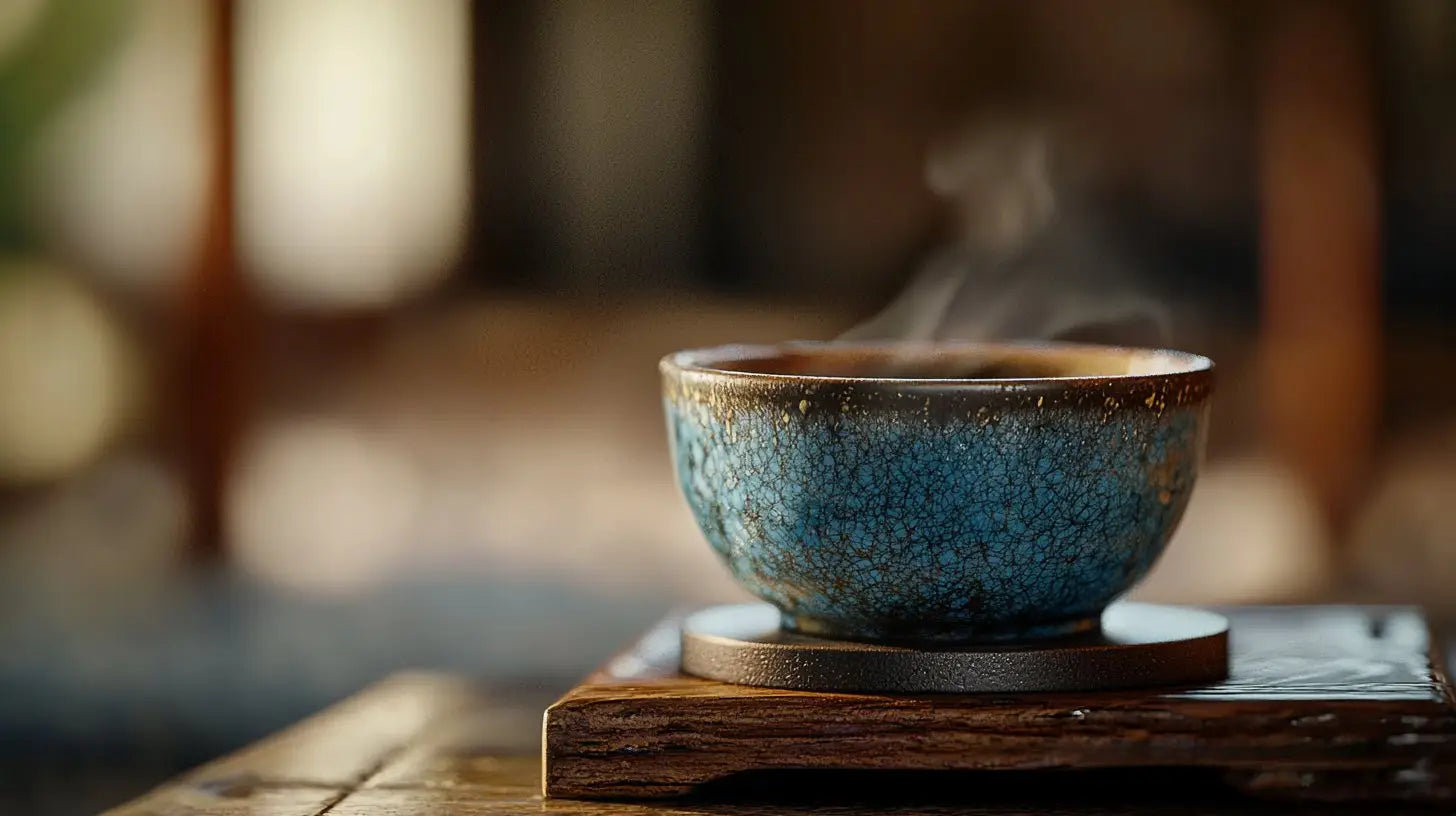
- For a ceramic lover: one Jian Zhan or Tenmoku-style cup can feel more personal than a generic multi-piece set.
The point is not to spend less; it is to make the gift easier to use. A single cup with a note such as "for your evening Pu-erh" or "for quiet white tea mornings" gives the recipient a moment, not just an object.
How to Build a Practical Mid-Budget Tea Gift
A middle-budget gift is where pairings become useful. Pair one tea with one tool, or choose a compact setup that helps the recipient understand the tea from the first session.
| Pairing | Best for | Decision logic |
|---|---|---|
| White tea plus a cup | Gentle daily drinkers and people new to loose leaf tea | White tea is approachable, and the cup makes the gift immediately usable |
| Pu-erh plus a small cup | Coffee drinkers, deeper-flavor people, and evening tea drinkers | Pu-erh gives body and depth, while the cup frames it as a tasting ritual |
| Compact Gongfu setup | Curious beginners and people who like hands-on rituals | A Gongfu tea set teaches repeated short infusions without needing a formal ceremony |
| Tea pet plus tray context | Ritual people and tea-table object lovers | A tea pet adds personality when the recipient already enjoys brewing at a table |
Pairings work because they remove the first-use question. The recipient does not have to ask, "What am I supposed to do with this?" The gift already suggests the session.
When a Higher-Budget Tea Gift Makes Sense
A higher budget should make the gift more precise, not more complicated. This is where you can consider a fuller Gongfu tea set, a collector-focused cup, or Yixing teaware, but only when the recipient's habits support it.
Yixing is the clearest example. Because unglazed Yixing clay is often dedicated to one tea family, it is usually a gift for someone who already drinks oolong, Pu-erh, or another specific style regularly. If the recipient is still exploring everything, a porcelain gaiwan or cup is safer.
For collectors, look for fit instead of vague luxury language. Do they collect cups, clay teapots, tea pets, or loose leaf tea? A gift that fills a real gap in their routine is more valuable than a large object with no role.
Budget Is Not the Only Filter
Before buying, match the gift to the recipient type:
- Beginner: flexible teaware, gentle tea, and simple instructions.
- Collector: a specific cup, tea pet, Yixing piece, or tea style that fits what they already collect.
- Ritual person: Gongfu set, tea pet, cup, or Pu-erh and oolong for repeated sessions.
- Office iced-tea drinker: low-equipment tea that can fit a bottle, cup, or simple desk routine.
- Gongfu drinker: upgrade one part of the session instead of guessing a whole new direction.
If you cannot identify the recipient type, choose a lower-risk gift: a cup, white tea, or a simple guide-led Gongfu path. Avoid specialized clay teaware until you know the person has a dedicated tea style.
Common Budget Mistakes
- Buying more pieces instead of better fit: a large set can feel impressive online and still be hard to use.
- Choosing Yixing too early: dedicated clay teaware is meaningful for the right drinker, but restrictive for a beginner.
- Forgetting the first session: every tea gift should answer how the person will use it the first time.
- Making promises you cannot verify: do not assume packaging, delivery dates, discounts, stock, or seasonal availability unless the live product page confirms it.
- Treating symbolism as a guarantee: tea pets can carry intention and personality, but they should not be framed as guaranteed luck or outcome objects.
FAQ
What is the best affordable tea gift?
The best affordable tea gift is usually one focused item with a clear use: a cup, a tea pet, or an approachable tea such as white tea. Check the current product page for live pricing before treating any item as within a specific budget.
Should I buy tea or teaware as a gift?
Buy tea if you know the recipient's taste. Buy teaware if you do not know their favorite tea or if they already own loose leaf tea. A cup, Gongfu set, or tea pet can fit into many routines without guessing flavor.
Is a Gongfu tea set a good budget gift?
It can be a good gift when the recipient is curious about hands-on brewing and repeated infusions. Choose a practical setup rather than a decorative set with pieces they may not understand.
When should I choose Yixing teaware?
Choose Yixing for someone who already drinks a specific tea style, such as oolong or Pu-erh, and understands dedicated clay teaware. For a beginner, a flexible cup or Gongfu setup is usually safer.
What tea gift works for an office iced-tea routine?
Choose a low-equipment tea direction, especially gentle white tea or an approachable loose leaf tea that can fit a bottle or simple cup. Avoid a full tray setup unless the person already brews that way at work.
What is the safest gift for a tea collector?
A collector usually appreciates specificity. If you know their taste, choose a cup, tea pet, Yixing piece, Pu-erh, or white tea that fits their existing lane. If you do not know, avoid highly specialized clay choices.
Next Step
Start with Tealibere's broader tea gift guide if you are still comparing recipients. If you already know the direction, browse the relevant collection: Gongfu tea sets, tea pets, Jian Zhan cups, Yixing teaware, white tea, or Pu-erh tea.