Good Chinese tea gifting is less about strict rules and more about fit: choose something the recipient can understand, use, and enjoy. A beginner may appreciate a simple Gongfu set or beautiful cup. An experienced tea drinker may prefer better tea, a dedicated Yixing pot, or a refined storage piece.
This refreshed etiquette guide keeps the cultural warmth of the original article while making the buying decision clearer. For current gift ideas, start with Tea Gifts for Tea Lovers, Gongfu tea sets, Tenmoku cups, and tea pets.
Quick Gift Table
| Recipient | Best gift direction | Why it works | Tealibere path |
|---|---|---|---|
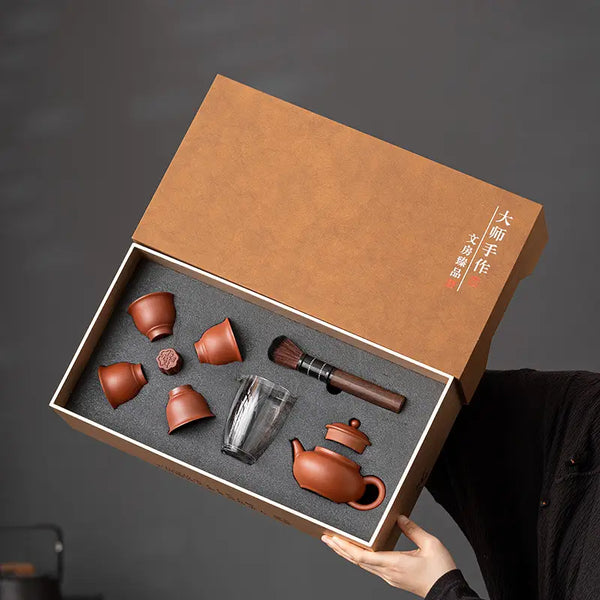
| Tea beginner | Simple Gongfu set | Gives them the basic tools without asking them to choose every piece. | Stillness Tea Set |
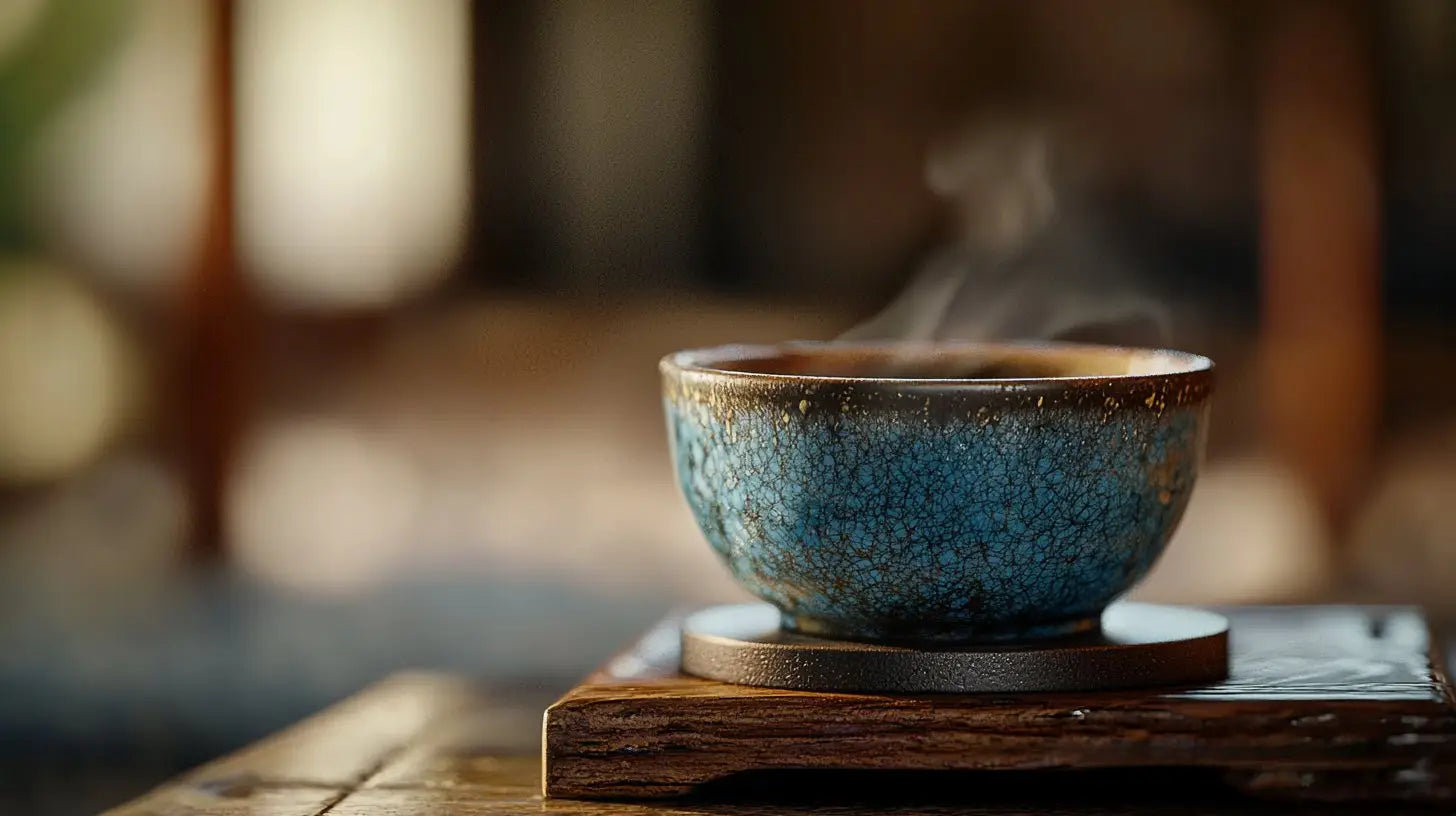
| Design-focused friend | Jian Zhan or Tenmoku cup | Beautiful, usable, and easy to display. | Golden Peacock Tea Cup |
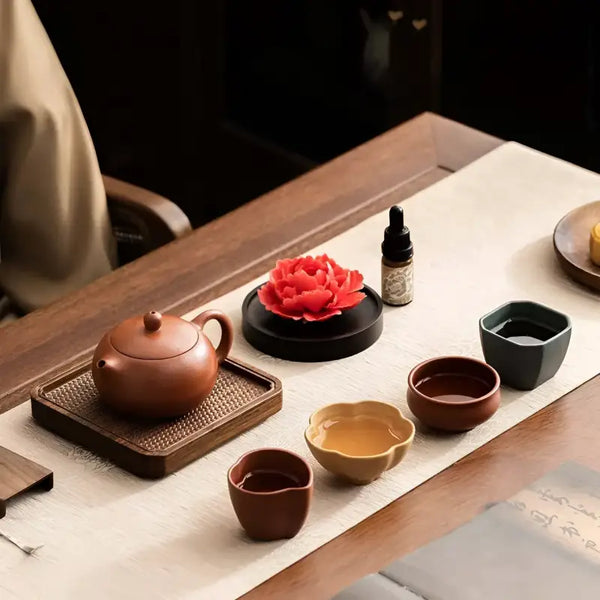
| Gongfu tea learner | Tea tray or setup accessory | Improves the actual brewing surface. | Still Waters Bamboo Tea Tray |
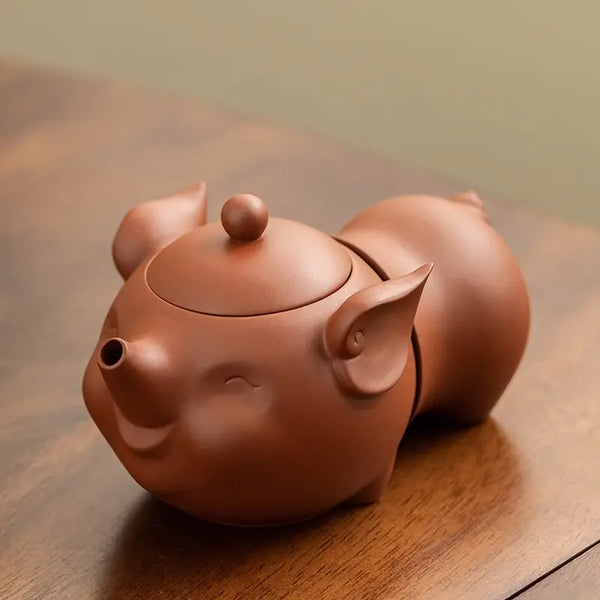
| Symbolic small gift | Tea pet | Personal, playful, and easy to place on a tray. | Fox Tea Pet |
| Experienced drinker | Yixing or better loose leaf tea | More useful when they already know their tea style. | Yixing teaware |
Etiquette Rule One: Make It Usable
The safest gift is something the recipient can use without needing a lecture. A cup, tea pet, cold brew tea, or complete set is often easier than a specialized teapot. If you choose loose leaf tea, include a simple brewing suggestion. If you choose teaware, make sure the size and care needs are clear.
For a first-time tea gift, a complete Gongfu tea set is usually easier than mixing unrelated pieces.
Etiquette Rule Two: Avoid Overclaiming Meaning
Tea gifts can carry symbolism: respect, hospitality, calm, friendship, prosperity, or good wishes. Keep the meaning gentle. Do not present a tea pet, tea, or teapot as an object that guarantees luck, health, or success. The best meaning comes from the match between the person and the gift.
If symbolism matters, read the Tea Pets Guide and choose a shape the recipient will understand.
Choose by Occasion
| Occasion | Gift idea | Why |
|---|---|---|
| Housewarming | Tea tray, cups, or a beginner set | Useful for hosting and daily rituals. |
| Thank-you gift | Loose leaf tea plus a small cup | Thoughtful without being too large. |
| Holiday gift | Tea set or visually strong cup | Feels complete and presentation-friendly. |
| Office gift | Cold brew tea or easy daily tea | Requires less equipment and fits work routines. |
Tea, Teaware, or Both?
Tea alone is good when the recipient already has brewing tools. Teaware alone is good when you know their style. Tea plus a practical tool is strongest for beginners because it removes friction. A small set with tea, a cup, and a simple brewing path often feels more generous than a complicated collection of accessories.
For a modern daily gift, compare cold brew tea. For a traditional table gift, compare Whispers of Clay Tea Set, Verdant Voyage Tea Set, or Pearlight Yixing Zisha Tea Set.
What to Write in the Gift Note
- Say why you chose the piece.
- Include one simple brewing or care tip.
- Avoid making claims about health outcomes or fixed luck.
- Keep cultural language warm and specific, not grand or vague.
FAQ
What is a good Chinese tea gift for beginners?
A simple Gongfu tea set, a beautiful cup, or cold brew tea is usually easiest. Avoid highly specialized teapots unless you know the recipient's tea habits.
Is a tea pet a good gift?
Yes, if the recipient has or wants a tea tray. Choose it as a symbolic companion, not as a promise of a fixed result.
Should I give tea or teaware?
Give tea if they already brew tea. Give teaware if you know their style. Give both if you want the gift to feel complete.
Next Step
For a practical gift, compare Gongfu tea sets, handmade tea cups, tea pets, and the full Tea Gifts for Tea Lovers guide.