What Is a Tea Pet?
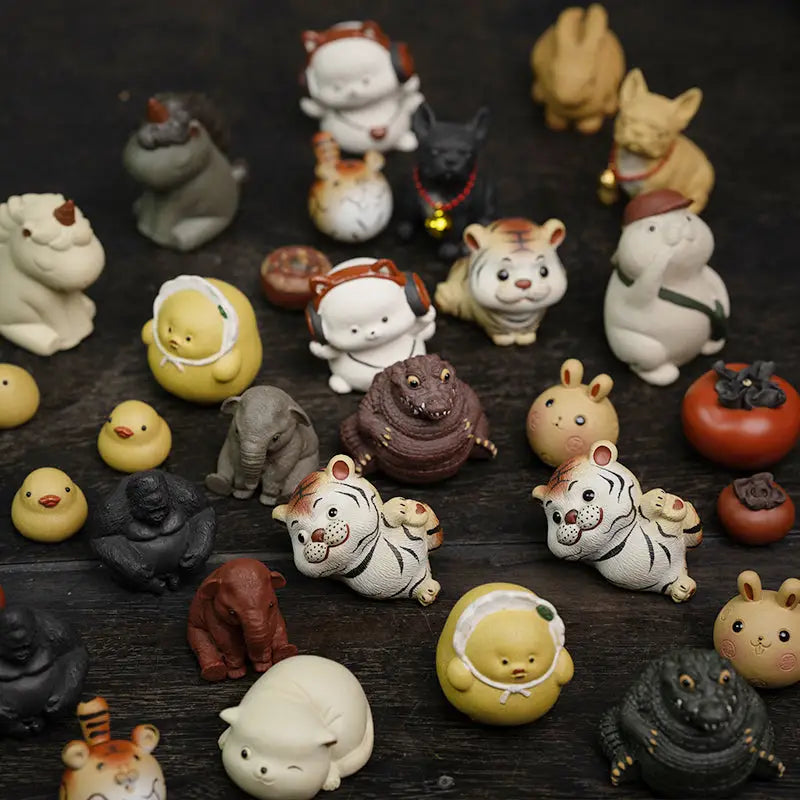
Tea pet figurines are small clay or ceramic companions placed on a Gongfu tea tray. During a tea session, they are often rinsed or "fed" with the first pour of tea. Over time, clay tea pets can develop a deeper color, a softer sheen, and a feeling of being part of the table.
For many tea drinkers, a tea pet is more than decoration. It can be a symbol of luck, protection, patience, affection, or quiet abundance. These meanings come from cultural association and personal ritual, not from a guaranteed promise that a figurine will change your fate.
This guide keeps the mystical side of tea pets alive while treating it with care: what common animals symbolize, how feng shui placement is interpreted, and how to choose a tea-table companion that feels meaningful without turning the tradition into empty superstition.

Why Tea Pets Feel Spiritual on a Gongfu Tea Table
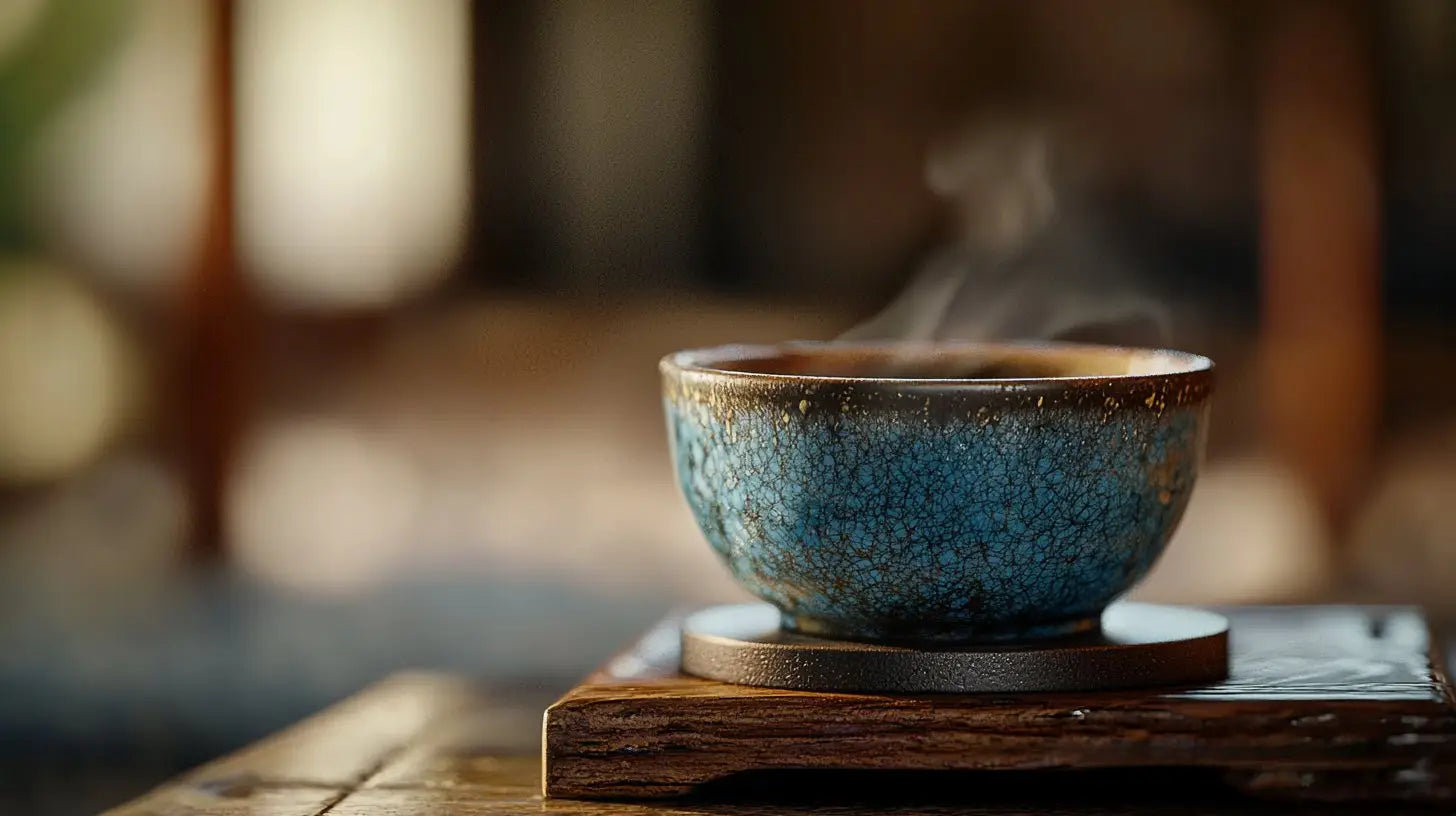
A Gongfu tea table is already a small ritual space. Water is poured, leaves open, cups are warmed, and each infusion asks you to slow down. A tea pet gives that movement a focal point. It receives tea, changes slowly, and becomes tied to repeated sessions.
In symbolic feng shui reading, a tea pet can represent the quality you want to bring into the space: steadiness, welcome fortune, protection, affection, playful energy, or calm. The object does not do the work for you. It helps make the tea table feel intentional.
Common Tea Pet Symbols and Their Meanings
| Tea pet | Common symbolism | Best fit on the tea table |
|---|---|---|
| Fox | Affection, charm, intuition, emotional warmth | A softer, playful tea space or a personal daily setup. |
| Dragon | Strength, protection, authority, auspicious movement | A bold tray, darker clay teaware, or Pu-erh sessions. |
| Money frog | Welcome fortune, gratitude, steady abundance | A tray where wealth symbolism matters, without treating it as a guarantee. |
| Turtle | Longevity, patience, stability | Slow sessions, aged Pu-erh, white tea, or a calm daily ritual. |
| Monk or child | Mindfulness, innocence, humor, ease | A quiet tea corner that should feel warm rather than formal. |

Feng Shui Placement: A Symbolic Guide, Not a Rulebook
Place a tea pet where it can receive rinse water without blocking the teapot, gaiwan, cups, or tray drainage. Practical placement comes first. A tea pet that interrupts pouring or makes the table crowded will not improve the ritual.
If you follow feng shui symbolism, you can also choose a direction or table position based on intention. A wealth symbol may sit toward a back corner of the tray. A protective animal may face outward. A calming figure may sit near the cups. Treat these as symbolic choices that shape mood and attention, not fixed rules that guarantee results.
How to Use a Tea Pet in Your Tea Ritual
- Place the tea pet on a clean tea tray before brewing.
- Warm the brewing vessel and cups as usual.
- Pour the rinse or a small amount of tea over the tea pet.
- Let it dry naturally during or after the session.
- Clean gently with water only; avoid soap or fragrance.
Over time, the tea pet becomes marked by real use. That slow change is part of its charm.
Color-Changing Tea Pets
Color-changing tea pets are a modern variation. They use heat-sensitive material or glaze to change appearance when touched by hot tea. They are not more powerful than traditional clay tea pets; they simply add a playful moment to the ritual.

How to Choose a Tea Pet That Matches Your Intention
If the symbolism matters to you, choose slowly. A tea pet does not need to be the most dramatic figure on the tray. The best one is usually the piece you want to return to every day: something you are happy to rinse with tea, clean gently, and let age with your practice.
Start by asking what you want the tea table to feel like. For warmth, a fox or small animal can feel intimate. For strength, a dragon or guardian form may fit. For patience, a turtle or monk can be more natural. For welcome abundance, a money frog is the classic symbol.
Explore tea pets by form, expression, and meaning, then build the rest of the table around the ritual: a clean tea tray, a comfortable brewing vessel, small cups, and tea you enjoy enough to brew often.

Frequently Asked Questions
Do tea pets really bring luck?
Tea pets are traditionally associated with luck, protection, wealth, or harmony, depending on their form. They should be understood as symbolic companions rather than objects that guarantee specific results.
Where should I place a tea pet?
Place it where it can receive rinse water without blocking the teapot, gaiwan, cups, or drainage. If you follow feng shui symbolism, choose a position that matches your intention, such as wealth, protection, family, or calm practice.
What does it mean to feed a tea pet?
Feeding a tea pet means pouring tea or rinse water over it during a tea session. Over time, clay tea pets may develop a deeper color and softer sheen, making the object feel more personal and lived-in.
Which tea pet is best for beginners?
Beginners should choose one tea pet with a meaning they can easily connect to: a frog for abundance, a turtle for patience, a dragon for strength, or a fox for affection and warmth. One meaningful piece is better than an overcrowded tray.