Learn which teas are easiest for Gongfu beginners, how Pu-erh, oolong, white tea, green tea, and black tea behave, and how to avoid weak or bitter first sessions.
The best tea for Gongfu beginners is a tea that forgives small timing mistakes and gives several clear infusions. Ripe Pu-erh, many oolongs, aged or fuller white tea, and some black teas are easier starting points than delicate green tea. You want leaves that show change without punishing every extra second.
Start with the buying decision
Choose one forgiving tea, then keep the setup simple
A first Gongfu tea should be easy to repeat and compare across short infusions. Pick the tea first, then add a neutral gaiwan or a complete set only if needed.
This guide is not about chasing rare tea. It is about choosing tea that helps you learn the Gongfu loop: add enough leaf, use a small vessel, pour fully, taste, adjust, and repeat. If you are also building the tools, start with Tealibere's Gongfu tea sets or pair a handmade gaiwan with a fairness pitcher and a tea that can handle repeated short steeps.
Best Beginner Choices at a Glance
Tea type
Beginner fit
Why it works or does not
Starting water
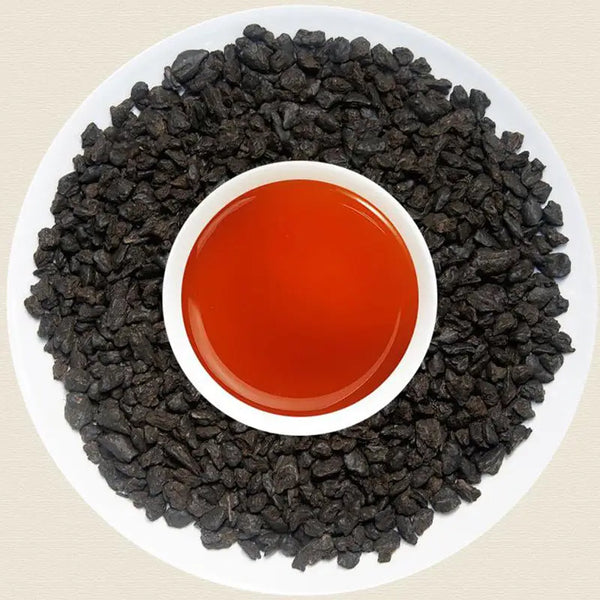
Ripe Pu-erh
Very good
Smooth, durable, and usually forgiving across many infusions
95-100C
Raw Pu-erh
Good with care
Can be vivid and layered, but young raw tea may turn astringent
90-100C depending on age and strength
Oolong
Very good
Clear aroma changes make timing and temperature easy to understand
90-100C for roasted styles, lower for greener styles
White tea
Good
Gentle and patient, especially aged or fuller-leaf white tea
85-95C
Green tea
More difficult
Can become bitter or sharp quickly if water is too hot
75-85C
Black tea
Good if not too broken
Whole-leaf black tea can be sweet and direct, but broken leaf extracts fast
90-95C
Why Pu-erh Is Often the Easiest First Gongfu Tea
Pu-erh gives beginners useful feedback. Compressed leaves loosen. The liquor can move from earthy or woody to sweet, thick, clean, or cooling over several rounds. Because the tea can usually handle hot water and repeated infusions, you get enough chances to correct your technique.
Ripe Pu-erh is often the calmer first choice because it tends to be smooth and less sharp. Raw Pu-erh can be more energetic and complex, but young raw tea may become drying if you use too much leaf or push the steep too long. Explore Tealibere's Pu-erh tea collection if you want a tea category built for short, repeated brewing.
Why Oolong Teaches Timing So Clearly
Oolong is one of the most rewarding beginner categories because it changes visibly and aromatically. Rolled oolong opens across the session. Roasted oolong often gives clear warmth, body, and fragrance. This makes it easier to understand why Gongfu brewing uses several short infusions instead of one long pot.
The main caution is leaf expansion. Do not pack rolled leaves so tightly that they have no room to open. A neutral gaiwan helps because you can see what is happening and adjust the next round immediately.
Where White Tea Fits
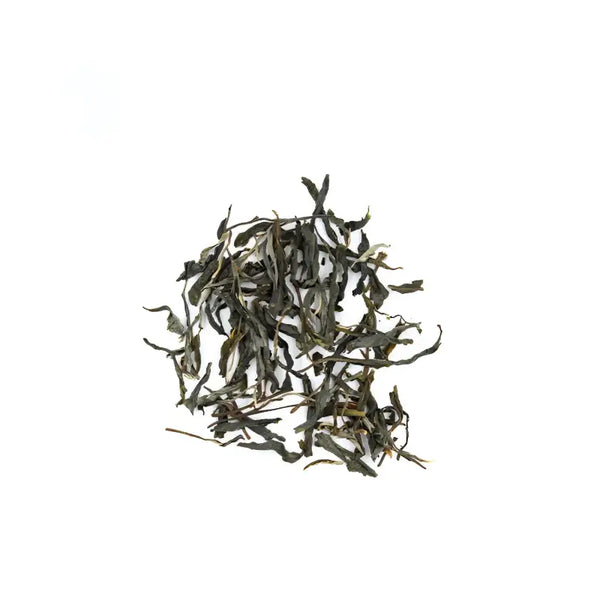
White tea is beginner-friendly when you choose the right style and do not expect loud flavor in the first seconds. Aged white tea, fuller leaf white tea, and compressed white tea can work well with Gongfu brewing. Very delicate young buds need cooler water and patience.
If your white tea tastes like hot water, you may be using too little leaf or judging too early. If it tastes sharp, lower the temperature or shorten the infusion. White tea often rewards a calmer hand rather than force.
Why Green Tea Is Not Always the Best First Practice Tea
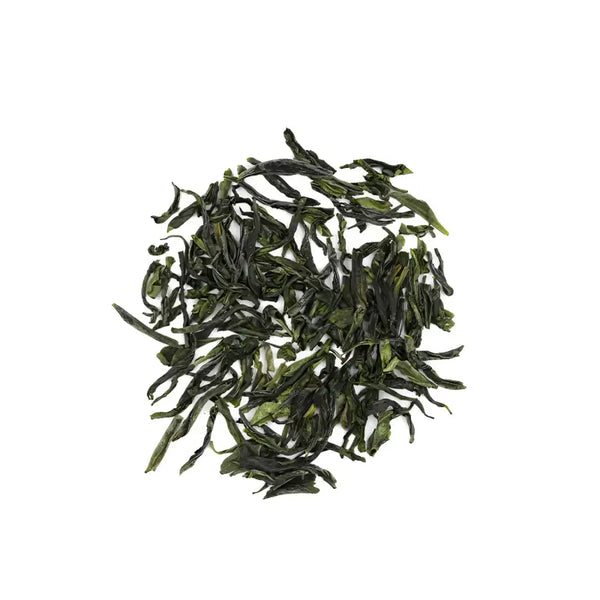
Green tea can be brewed Gongfu style, but it is less forgiving. Hot water and long timing can make it bitter quickly. That does not mean beginners should avoid green tea forever; it means green tea is not the easiest teacher for the first week of practice.
Keep one buying task
Compare the products recommended in this guide
Open the same product path while the decision details are still fresh.
If you do start with green tea, use a smaller amount of leaf than you would for Pu-erh, cooler water, and fast pours. A gaiwan is helpful because the open vessel makes it easier to avoid trapping heat for too long.
Starter Setup for Beginner Tea Testing
Piece
Beginner recommendation
Reason
Brewer
90-120ml porcelain gaiwan
Neutral, easy to clean, and flexible across tea types
Serving vessel
Fairness pitcher around 150-250ml
Lets you stop the infusion and serve even cups
Cups
One larger tasting cup or two to three small cups
Keeps each round drinkable without forcing large volumes
Tray
Compact tray or spill-safe surface
Useful for rinses, drips, and repeated pours
If the term fairness pitcher is still unclear, read What Is a Fairness Pitcher in Gongfu Tea?. The short version: it is the vessel that receives the whole infusion before the tea goes into cups. That one piece fixes many beginner problems with uneven strength.
Simple Leaf Ratio and Temperature Starting Points
For many teas, start around 5g of leaf per 100ml of vessel capacity, then adjust. Use less for broken or very strong leaf, and leave expansion room for rolled oolong. The goal is not to obey a number; the goal is to make the tea concentrated enough for short infusions without becoming harsh.
If the tea is weak: use slightly more leaf, hotter water, or a longer next infusion.
If the tea is bitter: shorten the steep, lower the water temperature, or use a little less leaf.
If the tea is uneven between cups: pour the full infusion into a tea pitcher before serving.
If the table gets messy: add a tea tray before adding decorative accessories.
What Not to Buy First
Do not start with the rarest tea you can find. Beginners need repetition more than pressure. Do not start with a highly specialized clay teapot unless you already know the tea category it will serve. And do not buy a large amount of a tea before testing whether you enjoy it across several infusions.
A better first purchase is a small amount of two or three contrasting teas. Try ripe Pu-erh for body, oolong for aroma, and white tea for gentleness. Brew each in the same neutral vessel and take simple notes: water, leaf amount, first good infusion, and where the tea became too strong or too soft.
FAQ
What is the easiest tea for Gongfu beginners?
Ripe Pu-erh and many oolongs are among the easiest because they can handle short repeated infusions and give clear feedback. They are less fragile than delicate green tea and usually more tolerant of small timing mistakes.
Can I use tea bags for Gongfu brewing?
Tea bags are not ideal for Gongfu tea. Gongfu brewing depends on leaf expansion, repeated infusions, and quick full decants. Loose leaf tea gives you much better control and clearer flavor changes.
How much tea should I use in a gaiwan?
A common starting point is about 5g per 100ml, but tea style matters. Rolled oolong expands, broken leaf extracts quickly, and delicate tea may need a lighter touch. Adjust one variable at a time.
Should beginners rinse tea first?
Rinsing is useful for many compressed Pu-erh teas because it loosens the leaves. It is not required for every tea. For delicate green or white tea, a rinse may remove flavor you wanted to drink.
What should I buy with beginner Gongfu tea?
Use a neutral gaiwan, a fairness pitcher, cups, and a practical spill plan. A complete Gongfu tea set can make sizing easier, but the most important thing is that the pieces work together.
Ready to choose
Shop the recommended products
Current prices and availability come directly from the recommended collection.
Tealibere publishes practical guides about Chinese tea and teaware. Check current product pages for availability, materials, dimensions, care, pricing, origin, and making details.
Current product factsPolicy-linked guidanceSources listed where used
Editorial standards
We separate product-specific facts from general education and link external sources where they are used. Price, inventory, shipping, returns, origin, and making details can change. Tea and wellness content is general information, not medical advice.
Learn how color-changing tea pets work, how to use hot tea safely, how to clean the surface, and which mistakes shorten the life of the heat-reactive effect.