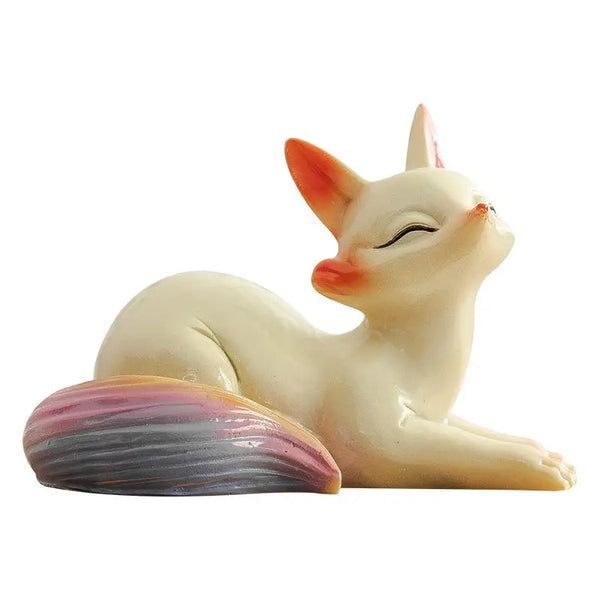
Tea pet animals work like a small symbolic language on the Gongfu tea tray. Pixiu and money toads usually point to prosperity imagery, turtles to patience and longevity, fish to abundance, elephants to steadiness, dragons to auspicious strength, and foxes to charm or cleverness. None of these shapes guarantees luck, health, love, or money. The better way to read a tea pet is simpler: it tells guests what kind of mood you want at the tea table.
If you are choosing your first one, start with the Tea Pets collection or read Tealibere's main tea pets guide after this article. A good tea pet should fit your tray, feel easy to explain, and survive regular rinsing with warm tea. Symbolism matters, but a cramped or hard-to-clean figure gets old quickly.
Quick Meaning Table
| Tea pet animal | Common symbolic reading | Best fit on a beginner tea table |
|---|---|---|
| Pixiu | Prosperity, wealth gathering, protection | A compact office tray or traditional Gongfu setup |
| Money toad | Prosperity and abundance imagery | A gift for someone who enjoys classic prosperity symbols |
| Turtle | Longevity, patience, slow steady practice | Quiet daily tea sessions and small trays |
| Fish | Abundance, flow, ease around water | Tea trays with visible water movement or softer decor |
| Elephant | Steadiness, wisdom, an auspicious and grounded mood | Housewarming gifts and calm home tea corners |
| Dragon | Auspicious strength, energy, protection | Larger trays where a strong figure will not dominate |
| Fox | Charm, cleverness, playful personality | Personal tea tables where character matters more than formality |
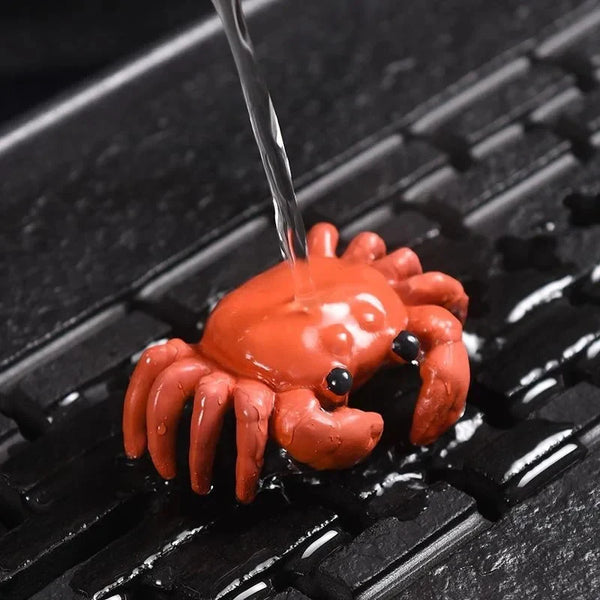
| Color-changing figure | Visible transformation and playfulness | Beginners, guests, and interactive Gongfu sessions |
How to Read Tea Pet Symbolism Without Overclaiming It
Tea pet meanings are not product guarantees. They are cultural associations, table aesthetics, and personal wishes. A Pixiu tea pet can express prosperity symbolism, but it should not be presented as something that creates income. A turtle can suggest longevity and patience, but it is not a health object. This distinction matters, especially for Western beginners who may be meeting Chinese tea culture through one small figure.
The most respectful approach is to say, "This shape is commonly associated with..." rather than "This will bring..." That keeps the meaning clear without making claims no shop or tea writer can verify.
Choosing by Personality, Not Just Symbol
Many first-time buyers search for the meaning first, then forget the object has to live on a wet table. Before choosing an animal, ask three practical questions:
- Will it fit my tray? A palm-sized figure is easier than a dramatic centerpiece if you brew on a kitchen counter.
- Can I clean it? Deep carving, tiny paws, curled tails, and coin details may need a soft brush.
- Can I explain it naturally? If a guest asks about it, the answer should feel warm, not forced.
For many beginners, turtles, elephants, fish, and color-changing figures are the easiest starting points. Pixiu and money toads are more specific. Dragons are visually strong. Foxes feel personal and less formal. None is universally "best"; the right one is the animal you will still enjoy after many tea sessions.
Tea Pet Animals by Use Case
| Use case | Good animal choices | Why it works |
|---|---|---|
| First Gongfu tea setup | Turtle, elephant, color-changing figure | Easy to understand, friendly, and usually compact |
| Office tea corner | Pixiu, turtle, small elephant | Traditional symbolism without taking over the desk |
| Gift for a tea lover | Fish, turtle, color-changing figure | Symbolic but not too pointed or difficult to explain |
| Large traditional tray | Dragon, Pixiu, money toad | Stronger forms have enough space to breathe |
| Quiet solo sessions | Turtle, monk-style figure, simple animal | They support a slower rhythm and do not demand attention |
What to Pair With an Animal Tea Pet
A tea pet makes more sense when the rest of the table works. If you do not already have a wet area for rinses, browse tea trays before buying a large figure. If you are building the whole ritual from scratch, a Gongfu tea set gives the pet a natural context: brewer, cups, tray, and repeated short infusions.
The best pairings are simple. A small turtle on a bamboo or stone-style tray feels grounded. A Pixiu beside darker clay teaware feels traditional. A color-changing pet beside a beginner set makes the first session more inviting. Let the animal support the tea, not distract from it.
FAQ
What is the most popular tea pet meaning?
Prosperity symbolism is very common, especially through Pixiu and money toads. For beginners, turtle and color-changing tea pets can be easier because their meaning feels calmer or more playful.
What animal tea pet should I choose as a gift?
Choose a turtle, fish, elephant, or color-changing figure unless you know the recipient likes wealth symbols such as Pixiu or money toads. These choices are easier to explain and less likely to feel too intense.
Can tea pet meanings vary?
Yes. Meanings can shift by region, maker, pose, and personal interpretation. Treat the meaning as a helpful guide, not a fixed rule.
Do animal tea pets need special care?
The care depends more on material than animal. Rinse with warm water, use a soft brush for details, avoid soap on porous clay, and let the piece dry fully after tea.
Where should I start shopping?
Start with the Tea Pets collection, then use the tea pets guide if you want a broader overview of use, care, and symbolism.