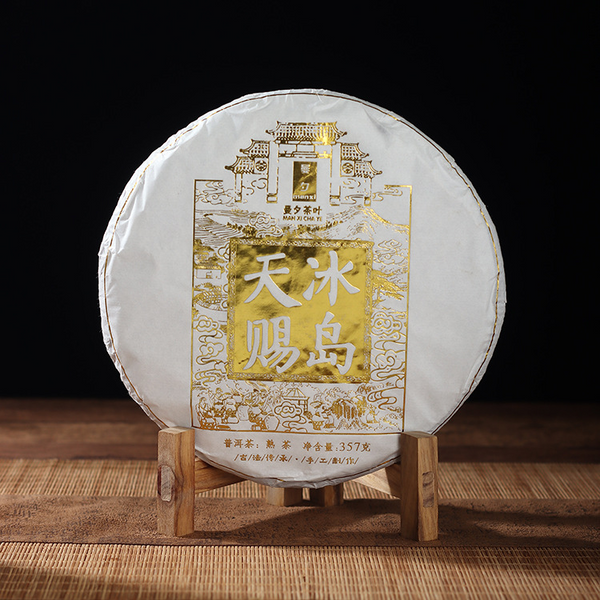
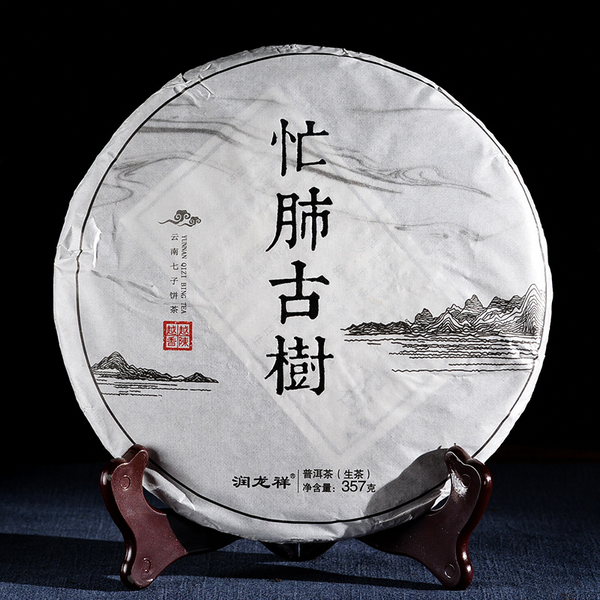
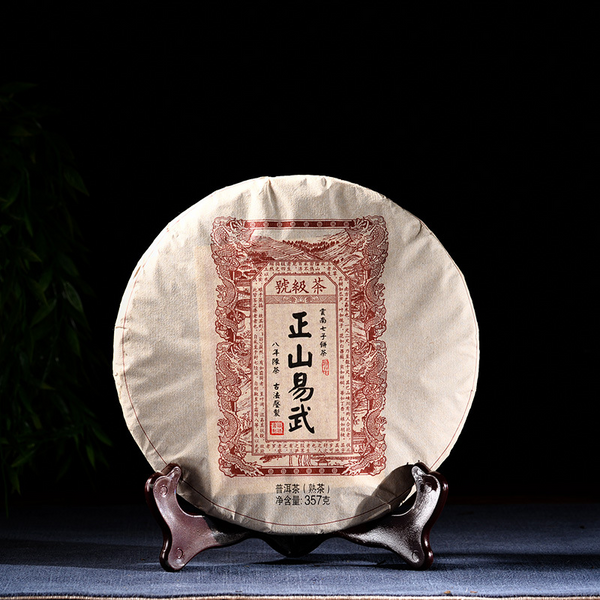
The short answer: raw Pu-erh is usually brighter, more brisk, and more changeable in the cup; ripe Pu-erh is usually darker, smoother, and earthier. If you are new to Pu-erh, do not start by chasing age, famous mountains, or collector language. Start by deciding whether you want a lively tea that may taste herbal, floral, bitter, or sweet after the swallow, or a rounder tea that may taste woody, cocoa-like, date-like, or cleanly earthy.
Start with the buying decision
Taste raw and ripe Pu-erh before collecting
Use the current Pu-erh selection to compare style and daily drinkability. Add a clay pot or full setup only after you know which profile you want to repeat.
Pu-erh is one of the easiest tea categories to overcomplicate. The useful beginner question is simple: Which style will I enjoy drinking this month, with the teaware and storage I actually have? This guide keeps the focus there.
Raw vs ripe Pu-erh at a glance
| Question | Raw Pu-erh (sheng) | Ripe Pu-erh (shou) |
|---|---|---|
| Typical first impression | Bright, brisk, herbal, floral, fruity, sometimes bitter or drying | Dark, smooth, earthy, woody, cocoa-like, date-like, often softer |
| Best beginner fit | Drinkers who enjoy structure, freshness, and changing infusions | Drinkers who want a mellow, grounding, less sharp cup |
| Brewing risk | Can become bitter if overleafed or steeped too long | Can taste flat or heavy if the tea is poor or brewed carelessly |
| Good first vessel | Porcelain gaiwan for clear comparison | Gaiwan first; dedicated Yixing later if you drink it often |
| Buying caution | Do not treat age, mountain name, or collector language as proof | Do not accept musty storage as normal depth |
What raw Pu-erh tastes like
Raw Pu-erh, also called sheng Pu-erh, is the style many beginners find surprising. It does not automatically taste dark. Young raw Pu-erh can feel closer to green, white, or lightly processed tea in its brightness, though the processing and later storage path are different. Depending on the tea and brew, you may notice grass, herbs, flowers, stone fruit, mineral dryness, bitterness, or a sweet returning finish.
That bitterness is not always a flaw. In a balanced raw Pu-erh, bitterness can act like structure: it appears, changes, and leaves sweetness or clarity behind. If it stays harsh, scratchy, or one-dimensional, shorten the steep before judging the tea.
What ripe Pu-erh tastes like
Ripe Pu-erh, also called shou Pu-erh, is processed to create a darker and smoother profile sooner. Good ripe Pu-erh can taste like clean earth, old wood, cocoa, dates, or a warm grain note. It should not smell like mildew, perfume, smoke contamination, or a closed basement.
Ripe Pu-erh is often the easier first cup for people who expected Pu-erh to be dark and mellow. The tradeoff is that low-quality or poorly stored ripe tea can taste dull, muddy, or stale, so clean aroma matters.
Which one should beginners buy first?
If you can, buy small amounts of both. One approachable ripe Pu-erh and one clean raw Pu-erh will teach you more than a long list of tasting notes. If you only want one starting point, use your normal taste preferences:
- Choose ripe Pu-erh if you like smooth, dark, earthy, woody, or cocoa-like teas.
- Choose raw Pu-erh if you like brighter teas, changing infusions, light bitterness, and a more lifted finish.
- Choose loose tea or a sample if you are still learning. A full cake makes more sense after you know the style.
For Tealibere's main Pu-erh learning path, start with Pu-erh Tea for Beginners, then compare available teas in the Pu-erh tea collection.
How to brew raw and ripe Pu-erh
A neutral gaiwan is the best first vessel because it shows the tea clearly and does not carry old flavor. Start with about 5 grams of tea for a 100-120 ml vessel, rinse quickly, then brew with short infusions. A reasonable first range is 8-15 seconds after the rinse, then longer as the leaves open.
| Problem in the cup | Likely adjustment |
|---|---|
| Young raw tastes too bitter | Shorten the steep, use slightly less leaf, or lower water temperature a little |
| Ripe tastes thin | Use hotter water, prewarm the vessel, or add a little more leaf |
| Cake pieces open unevenly | Use a quick rinse and include both small flakes and intact chunks |
| Every infusion tastes too strong | Pour faster and leave the lid slightly open between rounds |
If you want cups, tray, and brewing vessel together, browse Gongfu tea sets. If you already know you will brew one Pu-erh style repeatedly, a dedicated Yixing teapot can be a later upgrade.