Chinese tea history is best understood as three layers: an origin legend, later documented tea culture, and the practical ways people still brew and choose tea today. The story of Shen Nong, also romanized as Shen Nung, belongs to the legend layer. The more documented story appears later through texts, trade, changing tea forms, and teaware such as Jian Zhan cups, Yixing teapots, gaiwans, and modern Gongfu tea sets.
This guide keeps the useful keyword value of Chinese tea history while separating what is symbolic from what is better supported. If you are using history to choose tea or teaware, start with the broad loose leaf tea collection, then compare the tea families and vessels below.
The Short Answer: Legend vs Documented History
| Topic | How to read it | Why it matters for buyers |
|---|---|---|
| Shen Nong discovery story | Origin legend, not a verified dated event | Useful cultural frame, but not proof that tea has one exact inventor |
| Early tea use | Gradual development across food, drink, local practice, and written references | Explains why Chinese tea history is regional, not one single ceremony |
| Tang tea culture | Better documented through Lu Yu and written tea culture | Shows tea becoming a studied craft rather than only a household drink |
| Song tea culture | Linked to whisked tea, competitions, and dark-glazed Jian ware | Helps explain why Jian Zhan and Tenmoku cups still matter |
| Ming loose leaf brewing | Important shift toward leaf brewing closer to modern practice | Connects history to gaiwans, teapots, and daily loose leaf tea |
The Shen Nong Story: A Legend, Not a Lab Record
The familiar story says that Shen Nong was boiling water when leaves from a tea plant fell into the pot. He tasted the infusion, liked its character, and tea began its long cultural journey. Many retellings attach the date 2737 BCE and use the phrase 5,000 years of Chinese tea history.
That phrasing is useful as a search convention, but it should be handled carefully. The story is not a documented event in the modern historical sense. It works better as an origin myth: a way of saying tea has been imagined as close to daily life, water, plants, and careful observation for a very long time.
For Tealibere readers, the practical takeaway is simple. Enjoy the legend, but do not use it to judge product quality. A good tea or teaware piece still needs concrete information: tea type, harvest style, material, capacity, firing, fit for use, and care guidance.
A Practical Timeline of Chinese Tea History
| Period | What changed | Modern connection |
|---|---|---|
| Origin legends | Tea appears in stories about plants, water, taste, and early use. | Good for cultural context, not for product claims. |
| Early regional use | Tea was used in different local ways before a single national tea culture existed. | Different tea regions still produce very different styles. |
| Tang dynasty | Written tea culture became more visible, especially through Lu Yu's Classic of Tea. | Tea began to be discussed as craft, preparation, and appreciation. |
| Song dynasty | Whisked tea, tea competitions, and dark-glazed bowls shaped elite tea practice. | Jian Zhan cups remain connected to this visual and tactile history. |
| Ming dynasty | Loose leaf brewing became more prominent, changing how people prepared tea. | Modern gaiwan, teapot, and repeated-infusion brewing become easier to understand. |
| Qing and modern periods | Regional teas, export trade, teahouse culture, and household brewing kept evolving. | Today's tea drinker can choose by tea type, vessel, and routine rather than by one fixed ceremony. |
Tea Types: History Became a Living Category System
One reason Chinese tea history still matters is that it helps beginners understand tea categories. The main families are not just flavors on a menu. They come from different processing choices: whether leaves are heated early, oxidized, rolled, compressed, aged, or kept delicate.
- Green tea: usually fresh, clean, and heat-fixed to keep a greener character.
- White tea: lightly handled, often soft, floral, or honeyed, with fresh and aged styles.
- Oolong tea: partially oxidized, ranging from floral and light to roasted and mineral.
- Black tea: called red tea in Chinese classification, often sweet, malty, warm, or fruity.
- Pu-erh tea: a Yunnan dark tea category that includes raw and ripe styles, often brewed in short repeated infusions.
- Yellow tea: a smaller category that is historically important but less common in many modern Western tea shops.
For a first buying path, choose by how you want the cup to feel. Green and white teas are often better for lighter daily cups. Oolong and black tea suit aroma and warmth. Pu-erh fits people who enjoy depth, texture, and repeated Gongfu sessions.
How Teaware Carries the History
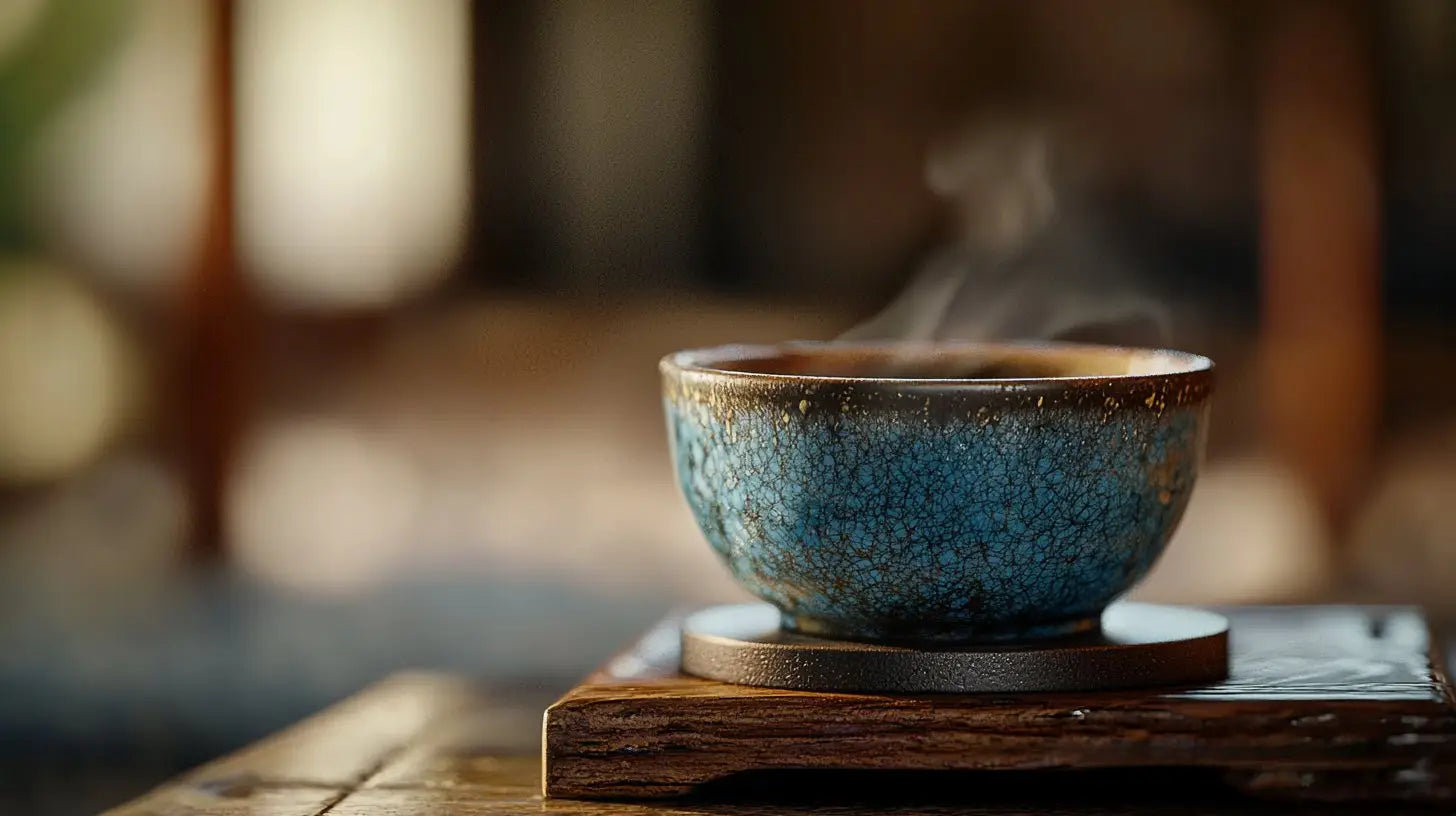
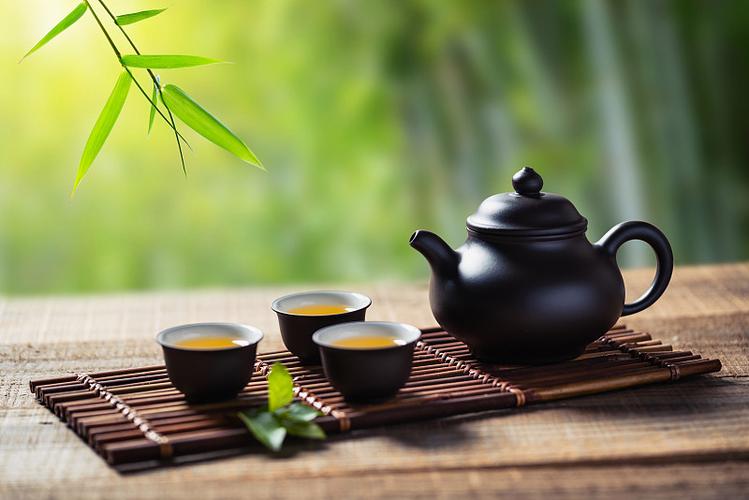
Chinese tea history is not only a list of dynasties. It is visible in the objects people use. A Song-inspired Jian Zhan cup makes dark tea liquor visually clear and gives the hand a heavier, warmer cup. A Yixing teapot points to the later importance of small dedicated clay teapots, especially for Pu-erh, oolong, and black tea. A gaiwan shows a flexible approach: one lidded bowl can brew many tea types cleanly.
For beginners, the most useful historical lesson is not that one vessel is more authentic than every other. It is that different vessels answer different problems. A neutral gaiwan helps you taste across categories. A Yixing pot makes sense when you already repeat one tea family. A Jian Zhan cup or Tenmoku-style cup can make small servings feel more tactile. A Gongfu tea set organizes the repeated brewing flow.
Gongfu Tea: A Modern Practice With Older Roots
Gongfu tea should not be described as a single unchanged ceremony from the beginning of Chinese tea history. It is better understood as a careful brewing method that developed through regional practice, teaware, small vessels, and attention to repeated infusions.
In practical terms, Gongfu brewing uses more leaf, less water, shorter steeps, and multiple infusions. This lets the drinker notice how aroma, body, sweetness, bitterness, and finish change across a session. If you are new to the method, read Tealibere's Gongfu Cha beginner guide before buying a large setup.
Where Tea Pets Fit Into Tea Culture
Tea pets are small companions for the tea tray, often used during Gongfu sessions when rinse water or leftover tea is poured over the figure. They can carry symbolic meaning, playful heat-changing effects, or a slower patina from repeated use. They should not be presented as objects that guarantee luck, money, medical outcomes, or any fixed result.
The safer way to understand them is as table culture. A tea pet gives a session personality, creates a small point of conversation, and makes the wet area of the tray feel intentional. For meaning and care, the Tea Pets Guide is the better next read.
How to Use History When Choosing Tea Today
| If you care about... | Start here | Why |
|---|---|---|
| A light daily cup | Green tea or white tea | These categories are easier for clean, gentle drinking routines. |
| Aroma and repeated brewing | Oolong tea | Oolong often changes clearly across short infusions. |
| Depth and texture | Pu-erh tea | Pu-erh is well suited to repeated small-cup brewing. |
| Dedicated teaware | Yixing teaware | Best when you already know the tea family you repeat often. |
| Historical cup culture | Jian Zhan and Tenmoku cups | Useful when you want a tactile cup with visible glaze character. |
FAQ
Is Chinese tea history really 5,000 years old?
The phrase is common, but it mixes legend and history. The Shen Nong discovery story is an origin legend often placed far back in time. More documented tea culture appears later through texts, regional practice, trade, teaware, and changing brewing methods.
Did Shen Nong invent tea?
Shen Nong is best treated as a legendary figure in tea origin stories, not as a verified inventor with a documented date. The story is culturally important, but it should not be used as historical proof by itself.
When did loose leaf tea become important?
Loose leaf brewing became especially important in the Ming period, when tea preparation moved away from earlier compressed and powdered forms toward leaf brewing methods closer to many modern Chinese tea routines.
What is the difference between Gongfu tea and a tea ceremony?
Gongfu tea is a careful brewing method using small vessels, short steeps, and repeated infusions. It can feel ceremonial, but it is also a practical way to taste oolong, Pu-erh, black tea, white tea, and other teas with control.
Which Chinese tea should a beginner try first?
For a light cup, start with white tea or green tea. For aroma, try oolong. For depth, try ripe Pu-erh. If you are buying teaware first, a gaiwan or simple Gongfu set is usually more flexible than a dedicated Yixing teapot.
Does Chinese tea have medical effects?
Tea can be part of an enjoyable daily routine, but this guide does not make treatment or medical claims. Choose tea by taste, processing style, caffeine sensitivity, and brewing fit. For medical questions, ask a qualified clinician.
Next Step
If you want to turn this history into a real first setup, browse Chinese loose leaf tea, compare Gongfu tea sets, or read more about Tealibere on the About Tealibere page. For product or order questions, use the contact page.