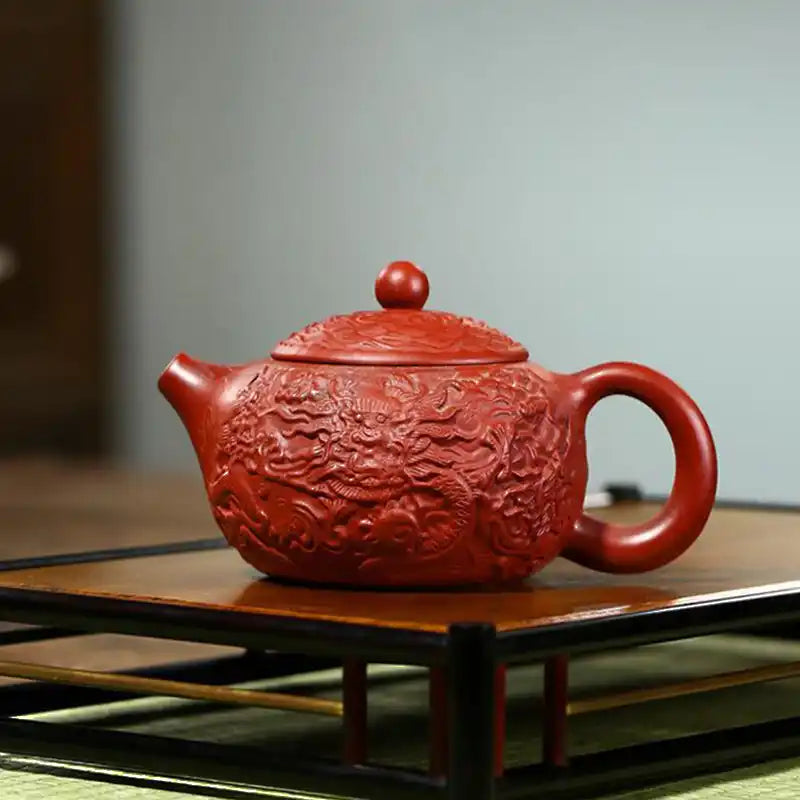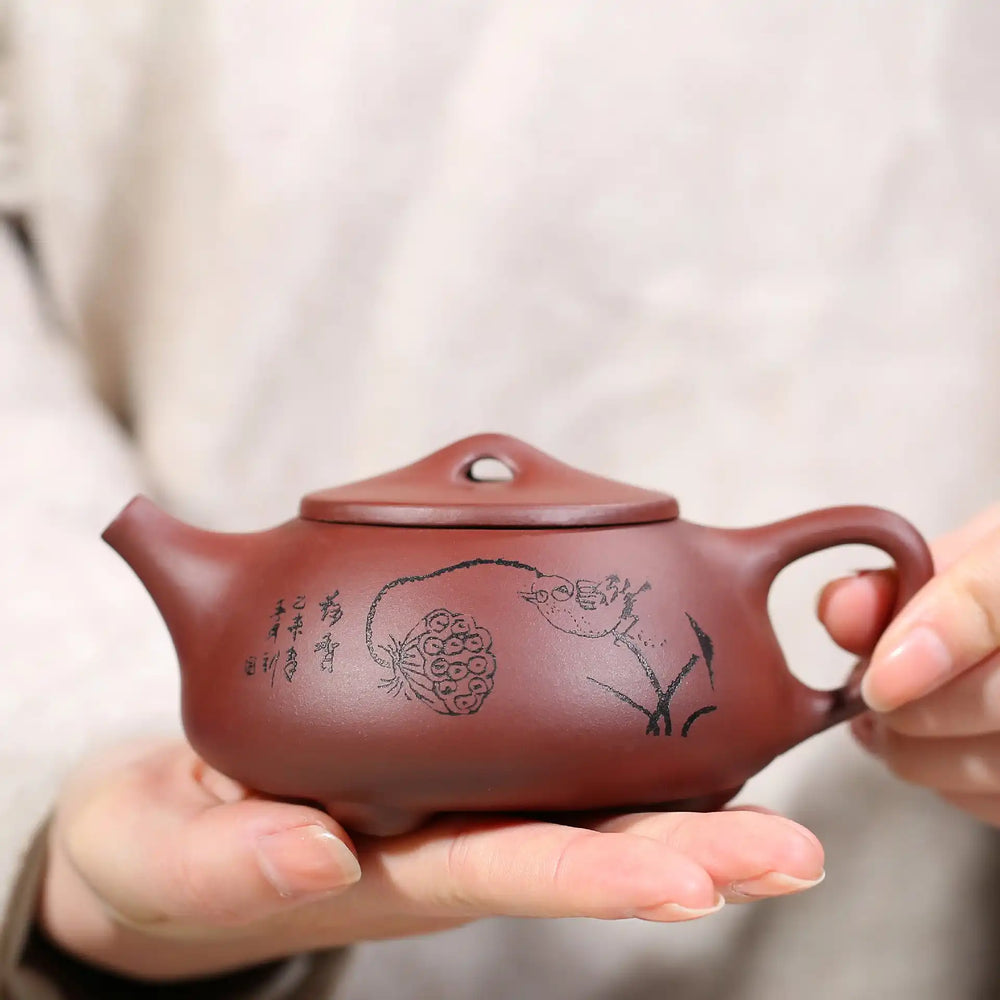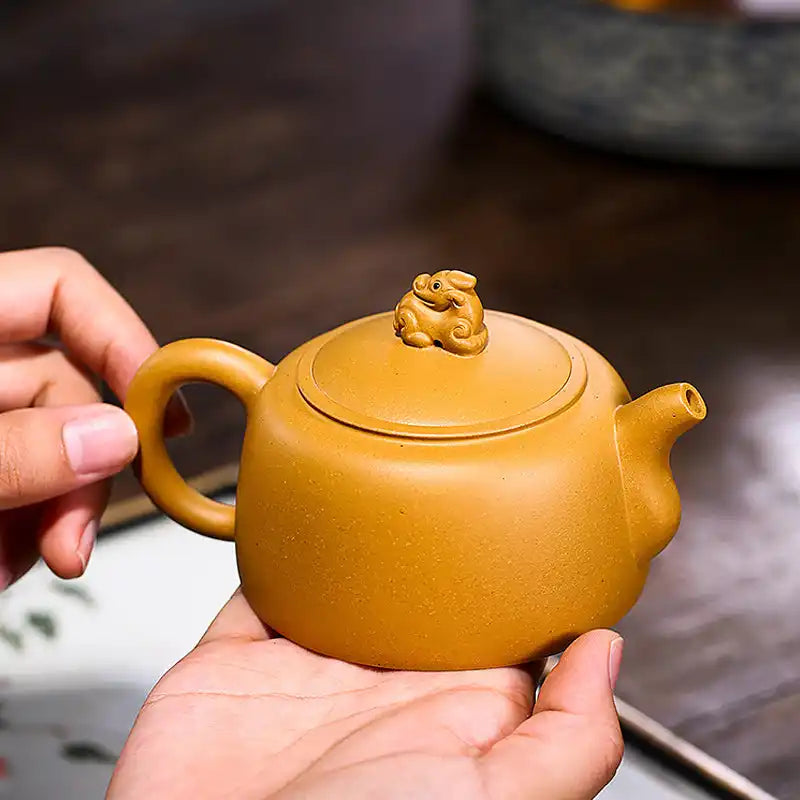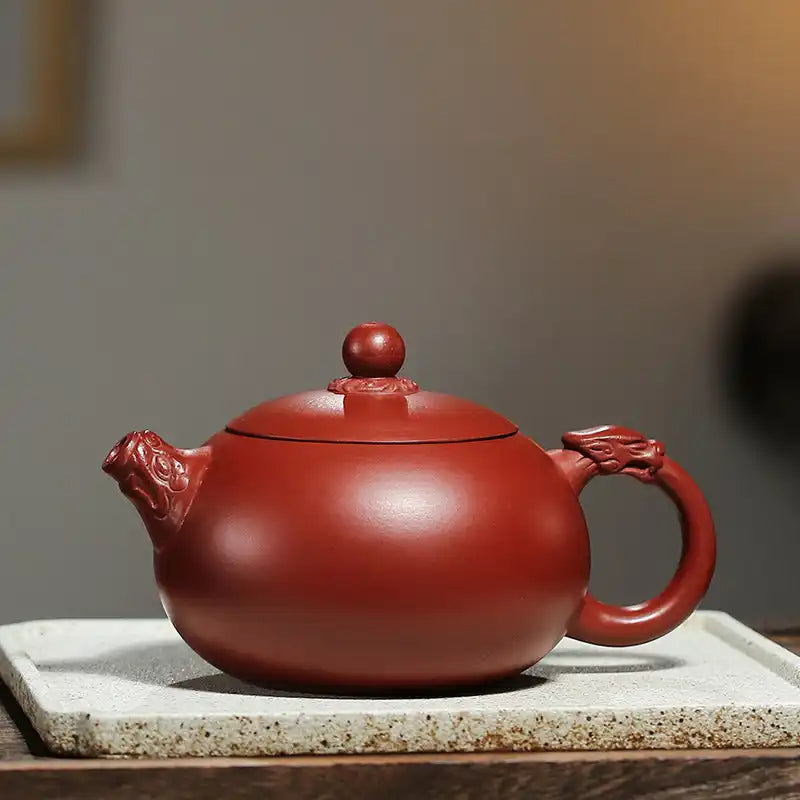
As temperatures drop and winter winds blow, there's nothing quite like wrapping your hands around a warm cup of tea. But not all teas are created equal when it comes to warming your body from the inside out. In traditional Chinese medicine, certain teas possess unique "warming" properties that help regulate body temperature, boost circulation, and strengthen your immune system during the cold months.
Whether you're battling winter chills, seeking comfort on a snowy day, or simply want to enhance your cold-weather wellness routine, this guide will help you discover the best Chinese warming teas for winter—and how to brew them for maximum comfort and health benefits.
Understanding "Warming" vs "Cooling" Teas in Chinese Medicine
In traditional Chinese medicine (TCM), foods and beverages are classified by their thermal nature—not their serving temperature, but their effect on your body's internal energy.
Warming teas stimulate circulation, generate internal heat, and help your body adapt to cold weather. They typically include:
- Fully oxidized teas (black tea, dark tea)
- Aged and fermented teas (pu-erh, aged white tea)
- Roasted teas (certain oolongs and green teas)
Cooling teas like fresh green tea and young white tea are better suited for summer. While delicious year-round, they may not provide the warming comfort your body craves in winter.
Understanding this distinction helps you choose teas that work with your body's seasonal needs rather than against them.

1. Jin Jun Mei Black Tea – The Ultimate Winter Warmer
Our Tongmu Jin Jun Mei Golden Eyebrow Black Tea is the crown jewel of warming winter teas. This premium black tea from Fujian's Wuyi Mountains undergoes full oxidation, creating a rich, malty sweetness with honey and cocoa notes.
Why it's perfect for winter:
- Fully oxidized for maximum warming properties
- High in theaflavins that boost circulation
- Natural sweetness provides comfort without added sugar
- Energizing yet smooth—perfect for cold mornings
Brewing tip: Use 95°C (203°F) water and steep for 3-5 minutes. The robust flavor pairs beautifully with winter pastries or hearty breakfast.

2. Aged Pu-erh – Deep Warmth for Cold Nights
Pu-erh tea is legendary in Chinese culture for its warming, digestive properties. Our Bingdao Lao Zhai Raw Pu-erh offers the perfect balance of earthy depth and smooth sweetness.
The fermentation process creates beneficial microorganisms that:
- Generate gentle, lasting warmth in your core
- Aid digestion of heavy winter meals
- Support gut health during cold and flu season
- Provide grounding energy without caffeine jitters
In traditional Chinese households, pu-erh is the go-to tea after festive winter feasts. Its ability to cut through rich, fatty foods makes it ideal for holiday celebrations.
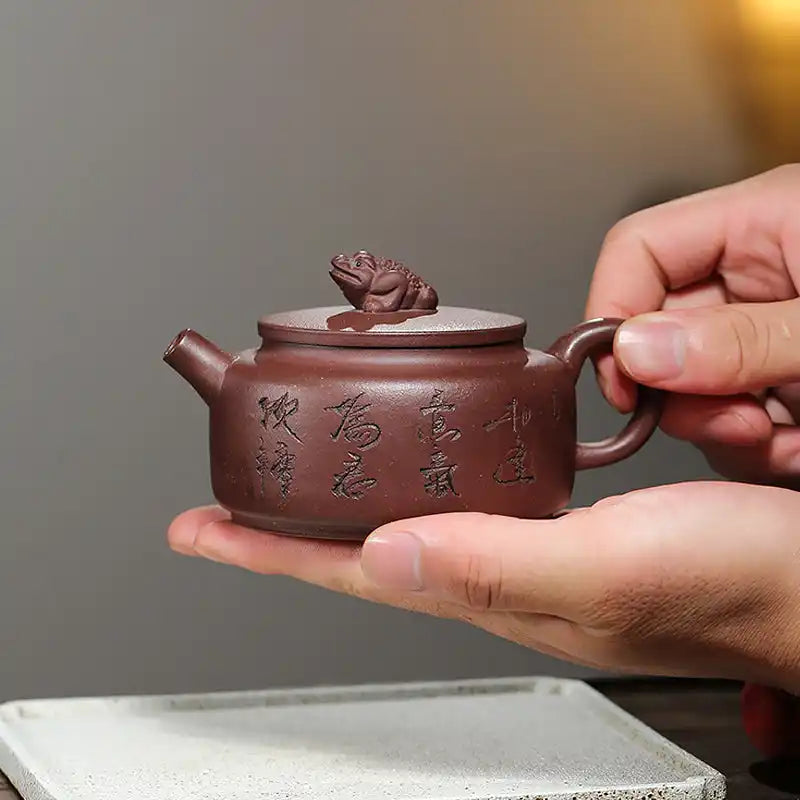
Winter ritual: Brew pu-erh using the Gongfu tea ceremony method with a Yixing teapot. The clay pot enhances the tea's warming properties and creates a meditative winter practice.

3. Aged White Tea – Gentle Warmth with Maximum Antioxidants
While fresh white tea is cooling, aged white tea transforms into a warming elixir. Our 2014 Aged Shoumei has been carefully stored for over a decade, developing deep, mellow flavors and warming properties.
Winter benefits:
- Retains white tea's powerful antioxidants for immune support
- Aging process creates warming thermal nature
- Smooth, sweet taste perfect for evening relaxation
- Lower caffeine than black tea—ideal before bed
Aged white tea is particularly valued during winter for its dual action: warming your body while flooding it with protective antioxidants to fight off seasonal illnesses.

4. Roasted Green Tea – Unexpected Winter Comfort
Not all green teas are cooling! Liu An Gua Pian undergoes a unique roasting process that transforms its thermal nature from cooling to gently warming.
The roasting creates:
- Toasty, nutty flavors reminiscent of chestnuts
- Reduced astringency for smooth drinking
- Warming properties while maintaining green tea's health benefits
- Perfect balance for those who love green tea but need winter warmth
This is an excellent choice if you're transitioning from summer green teas to winter warmers but aren't ready for the boldness of black tea.

5. Fresh Biluochun – Morning Energy Boost
While our 2025 First Harvest Biluochun Green Tea is technically cooling, its delicate floral and fruity notes make it perfect for winter mornings when you need gentle awakening energy.
Best for:
- Morning tea when you're still indoors and warm
- Balancing heavy winter diets
- Mental clarity during short winter days
- Pairing with light winter breakfasts
Pro tip: Drink Biluochun in the morning, then switch to warming teas like Jin Jun Mei or pu-erh in the afternoon and evening.

6. Bai Mu Dan – Transitional Season Tea
Our 2020 Bai Mu Dan White Tea sits beautifully between cooling and warming. Its sweet, soft character makes it ideal for:
- Early winter or late autumn transitions
- Mild winter days
- Indoor heating that makes you too warm
- Afternoon tea when you want something gentle
The 2020 vintage has developed slight aging characteristics that add warmth while maintaining white tea's delicate sweetness.

7. White Silver Needle – Immune System Fortress
While Imperial Baihao Yinzhen (White Silver Needle) is cooling by nature, its exceptional antioxidant content makes it invaluable for winter immune support.
Strategic winter use:
- Drink during the day when you're active and warm
- Use as preventive medicine during cold and flu season
- Combine with warming teas throughout the day
- Brew at lower temperatures (70-75°C) to reduce cooling effect
Think of Silver Needle as your winter immune shield—pair it with warming teas for complete seasonal wellness.

8. Create Your Winter Tea Ritual
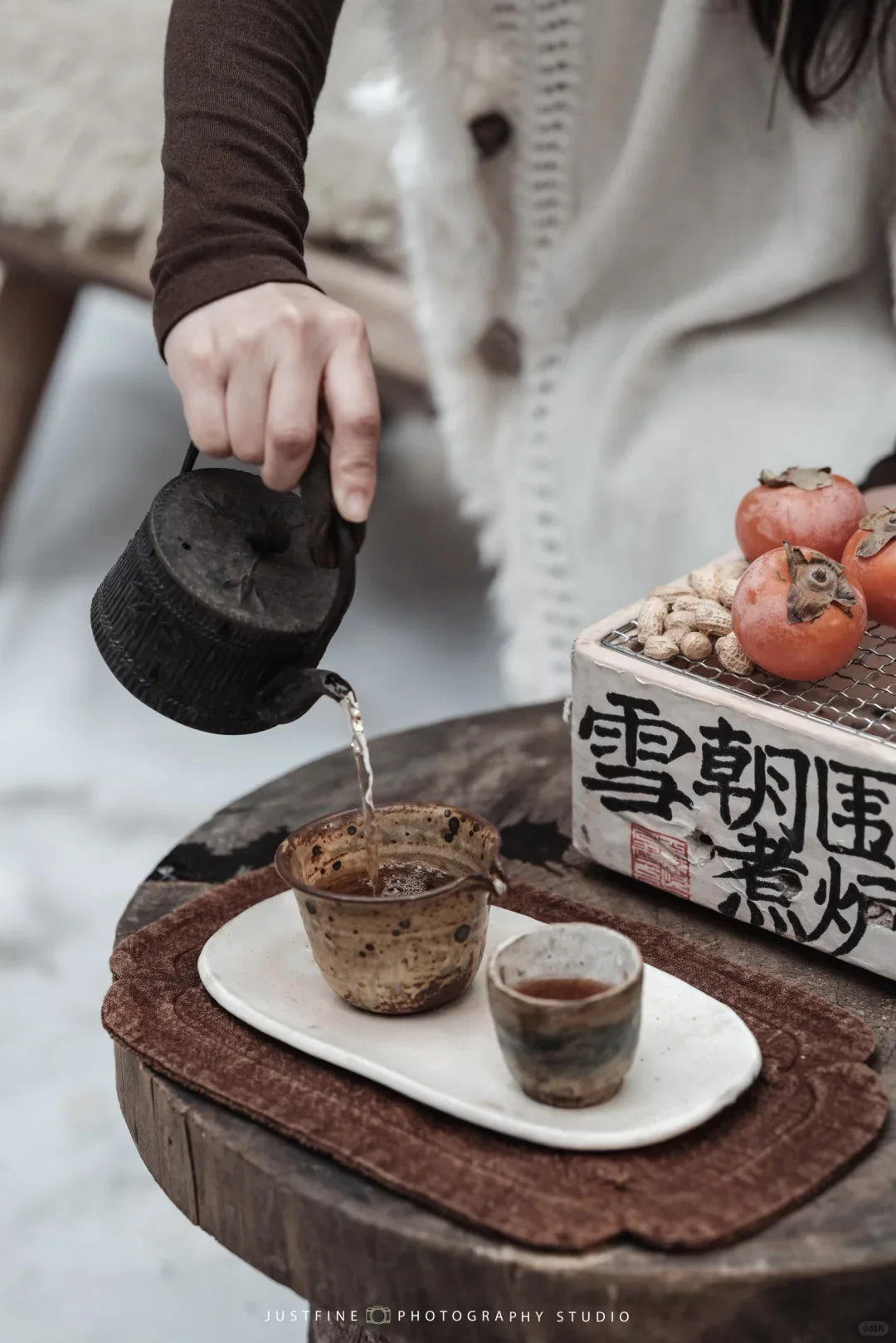
The act of preparing tea itself generates warmth—both physical and emotional. Transform your winter tea drinking into a cherishing ritual:
Set Up Your Tea Space
Create a cozy tea corner with a bamboo tea tray near a window where you can watch winter weather while staying warm inside. The ritual of Gongfu tea preparation becomes a form of active meditation that combats winter blues.
Choose the Right Teaware
Traditional Yixing Zisha teapots retain heat beautifully, keeping your tea warm longer during cold weather. The porous clay also enhances the warming properties of black and pu-erh teas. Learn more about choosing the right Yixing teapot for your favorite winter teas.
Layer Your Tea Drinking
Create a daily winter tea schedule:
- Morning (7-10am): Energizing green tea like Biluochun or Liu An Gua Pian
- Midday (11am-2pm): Robust Jin Jun Mei black tea
- Afternoon (3-5pm): Warming pu-erh after lunch
- Evening (6-9pm): Aged white tea for gentle warmth without disrupting sleep
Winter Tea Brewing Tips for Maximum Warmth
1. Use Hotter Water
In winter, brew warming teas at the higher end of their temperature range. Black tea and pu-erh can handle near-boiling water (95-100°C), which extracts more warming compounds.
2. Longer Steeping Times
Extend steeping by 30-60 seconds in winter to create fuller-bodied, more warming brews. This works especially well with black tea and aged teas.
3. Preheat Your Teaware
Rinse your teapot and cups with hot water before brewing. This prevents heat loss and keeps your tea warmer longer—essential when temperatures drop.
4. Multiple Infusions
Quality Chinese teas can be steeped 5-8 times. This extended tea session keeps you warm for hours and maximizes the value of premium teas. The Gongfu method is perfect for this approach.
5. Store Tea Properly
Winter's dry air can affect tea quality. Follow our Chinese Tea Storage Guide to keep your teas fresh and potent throughout the season.

Pairing Winter Teas with Seasonal Foods
Enhance your winter wellness by pairing warming teas with seasonal foods:
- Jin Jun Mei black tea + hearty breakfast, roasted nuts, dark chocolate
- Pu-erh + rich stews, roasted meats, aged cheeses
- Aged white tea + winter fruits, honey, light desserts
- Roasted green tea + whole grains, root vegetables, miso soup
These combinations follow TCM principles of balancing flavors and thermal properties for optimal digestion and warmth.

Winter Tea Gift Ideas
Share the gift of warmth this winter season! Our beautiful tea sets make perfect presents for tea lovers. Pair a Yixing tea set with warming teas like Jin Jun Mei or aged pu-erh for a thoughtful gift that brings comfort all winter long.
Learn more about the art of tea gifting in Chinese culture to make your presents even more meaningful.
Your Winter Wellness Starts Here
Winter doesn't have to mean suffering through cold, dark days. By choosing the right warming teas and creating mindful tea rituals, you can transform the season into a time of cozy comfort and deep wellness.
Whether you prefer the robust warmth of Jin Jun Mei black tea, the earthy depth of pu-erh, or the gentle embrace of aged white tea, there's a perfect winter tea waiting for you.
Start building your winter tea collection today. Browse our selection of premium warming teas and authentic Chinese teaware to create your perfect cold-weather ritual.
Stay warm, stay well, and let every cup bring you comfort.
[IMAGE PLACEHOLDER: Cozy winter scene with tea, blanket, and snow outside window]
Want to deepen your understanding of Chinese tea? Explore our Learn Tea Culture blog and discover the 5000-year history of Chinese tea.