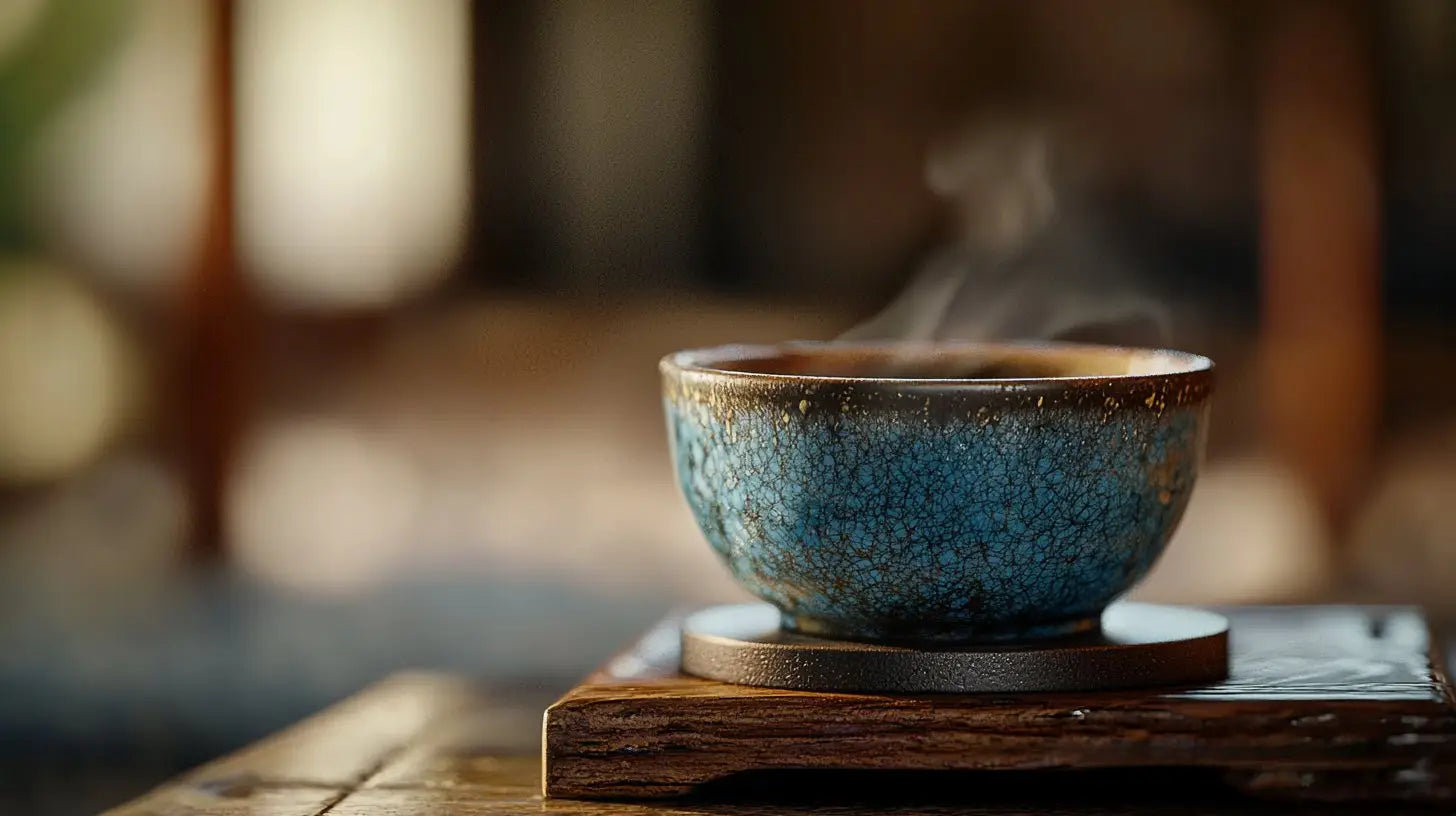
Chinese tea can be part of a healthy daily routine, but a cup of tea is not a medical treatment. The strongest responsible claims are practical: tea is an unsweetened beverage, it contains caffeine and other plant compounds, and different tea styles can fit different routines. Stronger claims about specific clinical outcomes need clinical evidence and should not be promised by a tea shop.
This refreshed article keeps the science-focused search intent while tightening the claims. If you are choosing tea for daily use, browse Chinese loose leaf tea or compare green, oolong, white, black, and Pu-erh tea.
What Science Can Say More Safely
| Topic | Careful takeaway | Buyer implication |
|---|---|---|
| Hydration and sugar | Plain tea can be an unsweetened drink in a balanced routine. | Choose tea you enjoy without needing syrup. |
| Caffeine | Caffeine can support alertness for many adults, but sensitivity varies. | Choose tea type and timing by your body. |
| L-theanine and caffeine | Researchers study the combination for attention and alertness, but results depend on dose and study design. | Do not expect every cup to feel the same. |
| Polyphenols | Tea contains plant compounds that are widely studied. | Drink tea as a beverage, not as a supplement substitute. |
| Extracts vs brewed tea | Concentrated extracts are not the same as brewed tea. | This store guide focuses on brewed tea. |
Tea Compounds in Plain Language
Green, white, oolong, black, and Pu-erh teas come from Camellia sinensis. Processing changes the leaf, aroma, flavor, and compound profile. Green and white teas are often discussed for catechins. Black tea has theaflavins and thearubigins from oxidation. Oolong sits across a wide range because oxidation and roast vary.
That does not mean one tea type is automatically healthiest. A daily tea routine should fit taste, caffeine comfort, stomach comfort, and time of day.
Caffeine: Useful, But Personal
The U.S. FDA notes that many adults can tolerate caffeine in moderate amounts, but too much can cause unwanted effects. The NIH Office of Dietary Supplements also notes that caffeine intake during pregnancy should be discussed carefully with health professionals. Tea caffeine varies by leaf, amount, temperature, and steep time.
If caffeine affects sleep, anxiety, heart rhythm, or digestion, choose lighter brewing, drink earlier, or ask a clinician.
Choose Tea by Routine, Not Claim
| Routine goal | Tea direction | Tealibere path |
|---|---|---|
| Fresh morning cup | Green tea or Chinese black tea | Green tea or Tongmu Jin Jun Mei |
| Aromatic midday session | Oolong tea | Oolong tea |
| Gentle afternoon cup | White tea | White tea |
| Deep, slow Gongfu session | Pu-erh tea | Pu-erh tea |
| Hot-weather routine | Cold brew tea | Cold brew tea |
How to Brew for Consistency
- Use the same leaf amount when comparing teas.
- Keep notes on temperature and steep time.
- Use a neutral gaiwan if you are comparing tea types.
- Do not judge a tea by one oversteeped cup.
- Store leaves dry, sealed, and away from strong odors.
Helpful Sources
- NCCIH: Green Tea - Usefulness and Safety
- FDA: Spilling the Beans - How Much Caffeine Is Too Much?
- NIH Office of Dietary Supplements: Pregnancy Fact Sheet
- Systematic review on caffeine and L-theanine outcomes
FAQ
Is Chinese tea healthy?
Chinese tea can be part of a healthy routine as an unsweetened beverage, but this guide does not make treatment claims. Benefits depend on the person, tea, brewing, and overall lifestyle.
Which Chinese tea has the most health benefits?
There is no single best tea for everyone. Choose by taste, caffeine comfort, time of day, and whether you will actually drink it consistently.
Is green tea extract the same as drinking tea?
No. Concentrated extracts and brewed tea are different. This guide is about brewed tea as a beverage.
Next Step
Choose tea by routine: green tea for freshness, oolong for aroma, white tea for softness, black tea for body, or Pu-erh for a deeper Gongfu session.