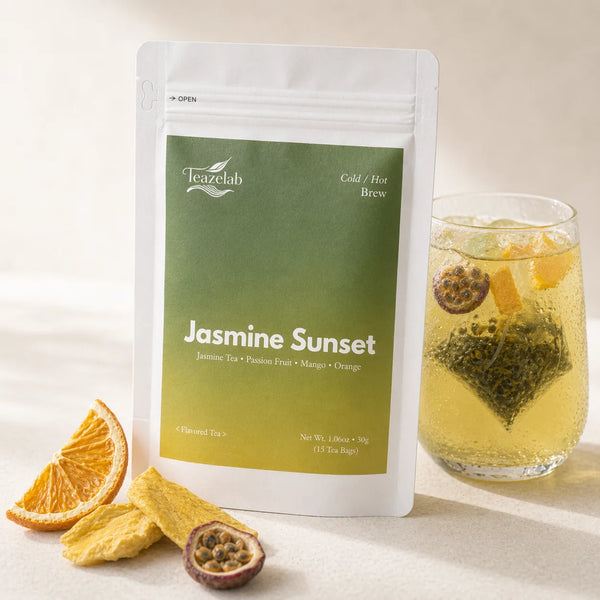
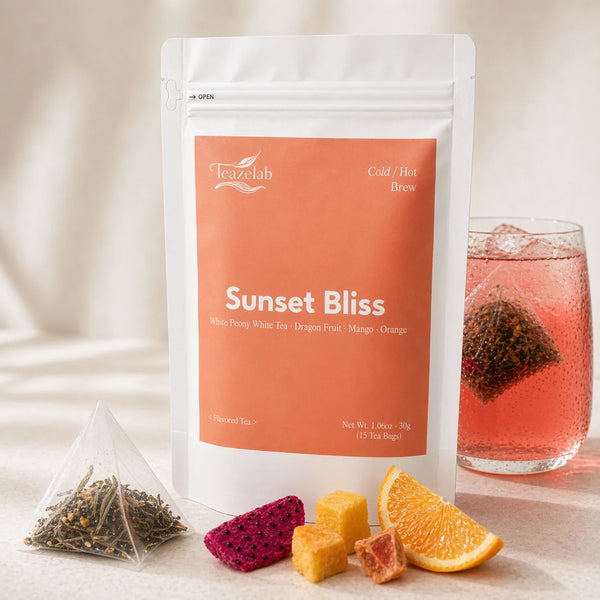
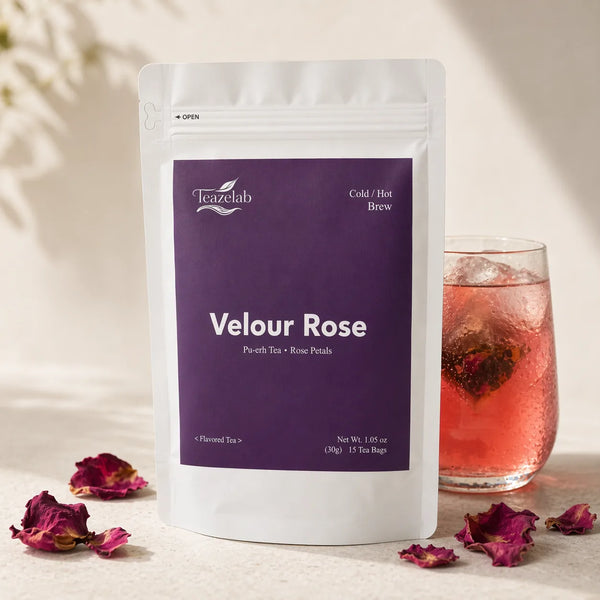
The best Chinese teas for cold brew are the ones that still taste clear when heat is removed: aromatic green tea, soft white tea, high-fragrance oolong, and purpose-built cold brew blends. Pu-erh can work too, but it is more selective. Some drinkers love a darker cold bottle; others find ripe Pu-erh too earthy when brewed cold.
Start with the buying decision
Choose cold brew tea by the flavor you want
Start with the tea base, then compare fruit and floral profiles. Use the three current products below as a short list instead of opening every tea category.
If you want the easiest path, start with Tealibere's cold brew tea collection. If you want to experiment with loose leaf, use this guide to choose the tea family before you fill a bottle, jar, or pitcher.
Quick Answer: Which Chinese Tea Should You Cold Brew?
| Tea path | What it tastes like cold | Best for | Tealibere next step |
|---|---|---|---|
| Cold brew blends | Fruit-lifted, consistent, easy to repeat | Fridge bottles, office tea, gifts, and coffee-swap routines | Cold Brew Tea Collection |
| White tea | Soft, lightly sweet, gentle, sometimes honeyed | Afternoon cold tea and drinkers who dislike sharp bitterness | White tea or Sunset Bliss |
| Oolong tea | Floral, creamy, roasted, mineral, or fruity depending on style | People who want aroma rather than plain iced tea | Oolong tea and the oolong brewing guide |
| Green tea and jasmine tea | Fresh, clean, grassy, floral, or bright | Morning bottles, light iced tea, and a crisp finish | Green tea or Zen Garden |
| Pu-erh | Deep, earthy, woody, rose-like, or date-like when chosen carefully | Darker cold tea and drinkers who want more body | Velour Rose or the Pu-erh collection |
Start With the Drink You Actually Want
Cold brew works best when it solves a real moment. A tea that is beautiful in a Gongfu session may not be the best office bottle, and a strong iced drink may not be what you want at 3 p.m. Choose the use case first.
- For a work bottle: choose a cold brew sachet or a forgiving green, jasmine, or white tea. You want clean flavor after several hours, not a tea that needs perfect timing.
- For a gentle afternoon: choose white tea. Bai Mu Dan, Shoumei, and white-tea cold brew blends usually feel softer than sharp green tea.
- For aroma: choose oolong. Dan Cong, Tie Guan Yin, and other fragrant oolongs can become very expressive cold, especially when you give the leaves enough time and space.
- For a coffee-swap moment: choose a cold brew blend with more body, such as Velour Rose, or use a fuller black tea or roasted oolong if you are experimenting with loose leaf.
- For a gift: choose a cold brew blend first. It removes the guesswork around water temperature, leaf amount, and equipment.
Loose Leaf or Cold Brew Sachet?
Loose leaf gives you the most control. You can change the leaf amount, make a larger batch, and compare how different teas behave in cold water. It is the better route if you already enjoy adjusting tea.
A cold brew sachet is better when repeatability matters. Tealibere's Teazelab cold brew blends are built for cold water, real fruit, and a practical bottle routine. The format matters because the blend needs enough room to open without asking you to manage a strainer every time. For the format debate, read Do Cold Brew Tea Bags Really Work?.
Simple Starting Ratios
For Tealibere cold brew sachets, start with one sachet in 300 to 500 ml of cold water and chill for 4 to 6 hours. Use less water if you want a stronger bottle that can hold up to ice. Use more water if you want a softer all-day drink.
For loose leaf Chinese tea, start with 5 to 8 grams per 500 ml of cold water and steep in the refrigerator for 6 to 12 hours. White tea and rolled or twisted oolongs may need more time because the leaves open slowly in cold water. If the result is too thin, increase the leaf amount before you chase very long steep times.
You do not need special equipment. A clean bottle, jar, or glass tea pitcher is enough. If you want to taste the same tea hot before making it cold, use a handmade gaiwan for a small session first, then decide whether the tea's aroma is worth turning into a bottle.
White Tea: The Softest Cold Brew Path
White tea is often a good cold brew choice because it can become smooth, lightly sweet, and low in bitterness. Bai Mu Dan and Shoumei are more practical than using a very expensive bud-only tea for a large bottle. Aged white tea can be pleasant too, especially when you want a deeper honey or dried-fruit feel.
Choose white tea if you want an easy afternoon drink, a gentle iced tea, or a cold bottle that does not feel heavy. Browse the white tea collection, or use Sunset Bliss if you want a white-peony cold brew with fruit already balanced for the format.
Oolong: Best When Aroma Matters
Oolong is the most interesting cold brew family when you care about aroma. Light oolong can feel floral and creamy. Dan Cong can become bright and fruit-like. Roasted oolong can work, but very heavy roast may lose some of the high notes that make hot oolong so satisfying.
Use enough leaf. Many weak cold-brew oolong bottles fail because the brewer used a hot-tea amount in a large cold bottle. Start stronger than you think, then dilute if needed. If you are still learning oolong styles, read Tealibere's oolong brewing guide before choosing from the oolong tea collection.
Green Tea and Jasmine Tea: Fresh, But Easy to Overdo
Green tea can be excellent cold because cold water keeps bitterness lower. Jasmine tea and other aromatic green teas are especially useful when you want a clean bottle with a visible floral lift. The main risk is making the tea too strong or leaving delicate green tea too long after it already tastes right.