Skip to content
Top Chinese handmade tea sets and teas, shipped globally

Oolong Tea Brewing Guide: Perfect Temperature & Timing for Each Variety

Key Takeaway

Master the perfect brewing technique for every type of oolong tea. Learn exact temperatures, timing, and methods for light, medium, and dark oxidation oolongs to unlock their full flavor potential.

Master the Art of Brewing Oolong Tea

Oolong tea sits beautifully between green and black tea, offering a complex flavor profile that ranges from floral and light to rich and roasted. But here's the secret: brewing oolong tea perfectly requires understanding that not all oolongs are created equal. Each variety demands its own temperature and timing to unlock its full potential.

If you're new to Chinese tea, start with our Complete Guide to Chinese Tea Ceremony to understand the traditional Gongfu brewing method.

Quick Answer: Oolong Tea Brewing Basics

Light Oolong: 185-195°F (85-90°C), 2-3 minutes
Medium Oolong: 195-205°F (90-96°C), 3-4 minutes
Dark Oolong: 205-212°F (96-100°C), 4-5 minutes

Understanding Oolong Tea Oxidation Levels

The key to brewing perfect oolong lies in understanding oxidation. Oolong teas are partially oxidized, ranging from 10% to 80%, which dramatically affects how you should brew them.

Light Oxidation Oolongs (10-30%)

Examples: Tie Guan Yin (Iron Goddess), Baozhong, High Mountain Oolong

Water Temperature: 185-195°F (85-90°C)
Steeping Time: First steep 2-3 minutes, subsequent steeps 1-2 minutes
Tea Amount: 5-7 grams per 150ml water
Number of Steeps: 4-6 infusions

Flavor Profile: Floral, fresh, creamy with orchid or lilac notes. These delicate oolongs are closer to green tea in character.

Pro Tip: Use slightly cooler water to preserve the delicate floral aromatics. Overheating will make the tea bitter and destroy its subtle sweetness. Learn more about selecting high-quality Chinese tea.

Medium Oxidation Oolongs (30-50%)

Examples: Traditional Tie Guan Yin, Dong Ding, Shui Xian

Water Temperature: 195-205°F (90-96°C)
Steeping Time: First steep 3-4 minutes, subsequent steeps 2-3 minutes
Tea Amount: 6-8 grams per 150ml water
Number of Steeps: 5-7 infusions

Flavor Profile: Balanced between floral and roasted, with honey sweetness, stone fruit notes, and a fuller body.

Pro Tip: This is the most forgiving category. You can adjust temperature up or down based on whether you want to emphasize floral or roasted characteristics.

Dark Oxidation Oolongs (50-80%)

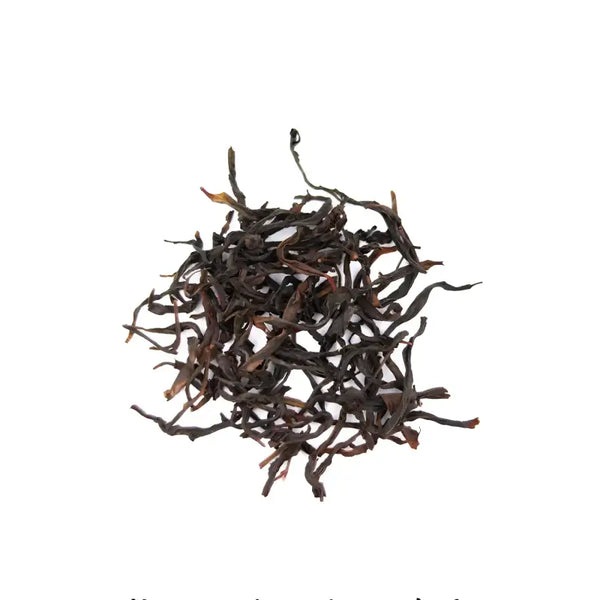
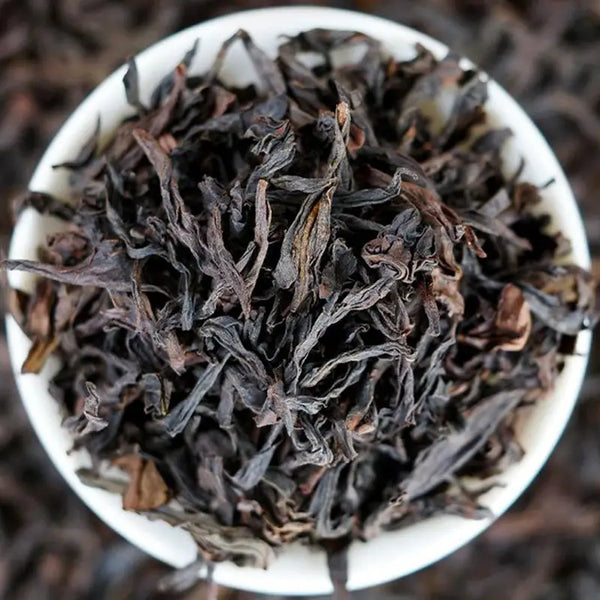
Examples: Da Hong Pao (Big Red Robe), Wuyi Rock Oolongs, Roasted Tie Guan Yin

Water Temperature: 205-212°F (96-100°C)
Steeping Time: First steep 4-5 minutes, subsequent steeps 3-4 minutes
Tea Amount: 7-9 grams per 150ml water
Number of Steeps: 6-10 infusions

Flavor Profile: Rich, roasted, mineral notes with chocolate, caramel, and sometimes smoky undertones. Closer to black tea in character.

Pro Tip: Don't be afraid of boiling water here. These robust teas need high heat to fully extract their complex roasted flavors and mineral qualities.

Gongfu vs Western Brewing Methods

Gongfu Style (Traditional Chinese Method)

Use a small teapot (100-150ml), more tea leaves (5-9g), shorter steeping times (30 seconds to 2 minutes), and multiple infusions (6-10 steeps). This method reveals the tea's evolution across multiple brews.

Best for: Experiencing the full complexity of premium oolongs, tea ceremony, mindful tea drinking.

For Gongfu brewing, you'll need the right equipment. Check out our guides on choosing the right Yixing teapot and essential tea trays.

Western Style (Larger Pot Method)

Use a larger teapot (300-500ml), fewer tea leaves (3-5g), longer steeping times (3-5 minutes), and 2-3 infusions. This method is more convenient for everyday drinking.

Best for: Casual tea drinking, serving multiple people, busy mornings.

Common Oolong Brewing Mistakes to Avoid

1. Using the Same Temperature for All Oolongs
Light oolongs will turn bitter with boiling water, while dark oolongs won't fully open up with cooler water.

2. Steeping Too Long on First Infusion
The first steep should be shorter to rinse and awaken the leaves. Subsequent steeps can be longer.

3. Not Adjusting for Rolled vs Twisted Leaves
Tightly rolled oolongs (like Tie Guan Yin) need an extra 30-60 seconds to unfurl compared to twisted leaves.

4. Throwing Away Leaves After One Steep
Quality oolongs can be steeped 5-10 times! Each infusion reveals different flavor layers.

Temperature Guide Without a Thermometer

Don't have a thermometer? Here's how to judge water temperature:

185-195°F: Small bubbles forming at bottom, steam rising, water just starting to move
195-205°F: Strings of bubbles rising, gentle rolling motion
205-212°F: Full rolling boil, large bubbles breaking surface

How to Taste and Adjust

Your first brew is an experiment. Taste and adjust:

Too bitter? Lower temperature by 5-10°F or reduce steeping time by 30 seconds
Too weak? Increase temperature, add more leaves, or steep longer
Flat flavor? Increase temperature to extract more complexity
Astringent? Reduce steeping time or use fewer leaves

Seasonal Brewing Tips

Spring/Summer: Brew light oolongs at the lower end of temperature range for refreshing, cooling qualities. See our guide on best teas for summer.
Fall/Winter: Brew dark oolongs at higher temperatures for warming, comforting characteristics. Explore our warming teas for winter.

Storing Your Oolong Tea

Proper storage affects brewing results. Keep oolongs in airtight containers away from light, moisture, and strong odors. Light oolongs are best consumed within 6-12 months, while dark roasted oolongs can age beautifully for years.

Learn more about proper tea preservation in our Chinese Tea Storage Guide.

The Health Benefits of Oolong Tea

Beyond its exquisite taste, oolong tea offers numerous health benefits including metabolism support, antioxidants, and mental clarity. Discover more in our article on science-backed health benefits of Chinese tea.

Final Thoughts

Brewing oolong tea is both an art and a science. While these guidelines provide a solid foundation, the best brewing method is the one that tastes perfect to you. Don't be afraid to experiment with temperature, timing, and tea amounts until you find your ideal cup.

Remember: the same oolong can taste completely different when brewed at 185°F versus 205°F. That's the magic of oolong tea – it's endlessly explorable.

To deepen your understanding of Chinese tea culture, explore our comprehensive guide on 5000 years of Chinese tea history and learn about famous tea regions and mountains.

Ready to start your oolong journey? Explore our collection of premium Chinese oolong teas and traditional teaware to elevate your brewing experience.

Last reviewed: April 22, 2026 · Fact-checked by Tealibere editorial team

XINZEJIANG

Tea Specialist & Cultural Researcher

Written by Tealibere's editorial team — tea enthusiasts with first-hand experience sourcing from artisan workshops across China's major tea regions including Yixing, Jianyang, Jingdezhen, and Yunnan. Our content is informed by interviews with master potters, tea farmers, and peer-reviewed research from institutions including the Tea Research Institute of the Chinese Academy of Agricultural Sciences.

Direct Artisan Sourcing Peer-Reviewed Sources UNESCO Heritage Referenced USDA/NIH Cited
Our Editorial Standards

All Tealibere articles are written with first-hand product experience and sourcing knowledge. Health claims reference peer-reviewed studies published in journals indexed by the NIH National Library of Medicine (PubMed). Cultural and historical references cite UNESCO, museum collections (V&A, Metropolitan Museum, Smithsonian), and Chinese government heritage designations. We update articles regularly to reflect the latest research. Tealibere articles are not medical advice — always consult your healthcare provider for health-related decisions.

Previous Post Next Post
Red, dragon-carved teapot.
Maroon clay teapot with etched design.
Yellow-brown ceramic teapot with a lion-shaped lid handle.

Choose the Zisha in your life

Tell your brand's story through images

View
Reddish-brown ceramic teapot with dragon-shaped handle and spout.
Brown teapot with frog lid.