Good Chinese tea storage is simple: protect leaves from air, moisture, heat, light, and strong odors. The right container depends on the tea. Fresh green tea needs sealed freshness. Oolong and black tea need dry, odor-free storage. Pu-erh needs stable airflow and separation from kitchen smells.
This refreshed storage guide keeps the practical value of the original article while adding clearer buying paths. Browse Tealibere's tea storage collection, Pu-erh tea, white tea, oolong tea, and loose leaf tea.
Quick Storage Table
| Tea type | Main risk | Best storage direction | Tealibere path |
|---|---|---|---|
| Green tea | Loss of freshness and aroma | Small sealed container, cool dry place, drink sooner. | Old Tree Longjing |
| White tea | Odor absorption and moisture | Dry sealed storage with stable temperature. | 2020 Bai Mu Dan |
| Oolong tea | Aroma fading | Airtight bag or jar, away from kitchen heat. | Dancong oolong |
| Black tea | Flat aroma | Sealed, dark, dry shelf storage. | Tongmu Jin Jun Mei |
| Pu-erh | Bad odor, excess dampness, harsh dryness | Stable environment, breathable wrap or box, separate from scented items. | 2017 Menghai Ripe Pu-erh Cake |
Air and Moisture Are the First Enemies
Loose leaf tea changes when exposed to air. Aroma fades, leaves pick up room smells, and humidity can make storage risky. For everyday drinking, a small airtight jar or resealable pouch is usually enough. For display, choose a container that still closes well.
The Ceramic Tea Storage Jar is a practical path when you want a dedicated container on the tea shelf rather than keeping every tea in shipping packaging.
For teas you open often, divide a large bag into a daily jar and a reserve pouch. This keeps the main supply sealed while making your regular cup easier to reach.
Keep Tea Away From Kitchen Smells
Tea absorbs odor easily. Do not store leaves next to spices, coffee, soap, candles, incense, or cooking oil. A beautiful tea can taste flat or strange if it sits near strong smells. A bedroom shelf, office cabinet, or dedicated tea drawer can work better than a kitchen counter.
If you store several tea types together, keep scented teas away from plain green, white, oolong, and Pu-erh teas.
Pu-erh Needs Different Thinking
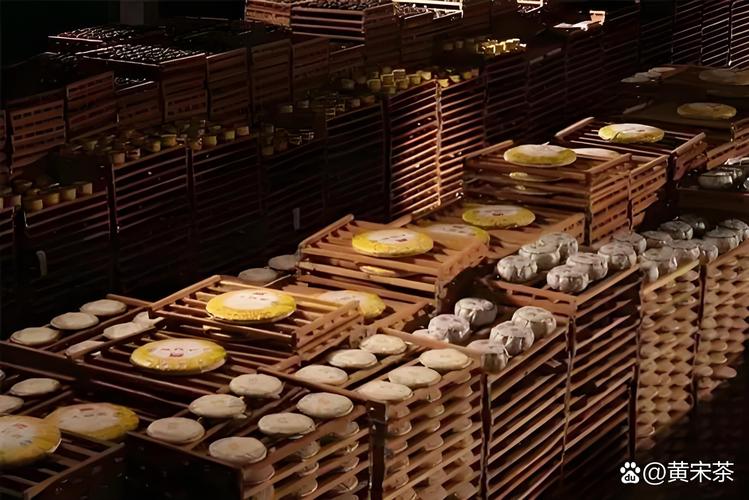
Pu-erh is often stored for longer periods than fresh green tea. It still needs protection from odors and extreme humidity, but it should not be sealed with strong-smelling items. Keep cakes or bricks in clean paper, a dedicated box, or a storage area with stable conditions.
For beginner Pu-erh choice and storage context, read Pu-erh Tea for Beginners and How to Store Pu-erh at Home.
Buy Storage by How You Drink
| Your routine | Storage choice | Why |
|---|---|---|
| One daily tea | Small airtight jar | Easy access without exposing a large batch. |
| Many sample bags | Separate labeled pouch or tin system | Prevents confusion and scent mixing. |
| Pu-erh cakes | Clean box or shelf zone | Keeps cakes separate from household odors. |
| Gift tea | Tea plus storage jar | Makes the gift easier to use after opening. |
What Not to Do
- Do not leave tea open on the counter.
- Do not store tea near coffee, spices, scented candles, or detergent.
- Do not put every tea in the same jar unless they are the same style.
- Do not expose delicate tea to sunlight for display.
- Do not assume Pu-erh should be damp; stable and clean matters more.
FAQ
Should tea be refrigerated?
Most daily tea is safer in a dry, sealed, odor-free cabinet. Refrigeration can introduce condensation and food smells unless handled carefully.
How long does loose leaf tea stay fresh?
It depends on tea type, packaging, and storage. Green tea is usually best enjoyed sooner. Roasted oolong, black tea, white tea, and Pu-erh can be more stable when stored well.
What is the best tea storage container?
Choose a clean, dry, well-sealed container that blocks light and odor. For a dedicated option, compare Tealibere's tea storage pieces.
Next Step
Start with the tea you most need to protect: green tea for freshness, oolong for aroma, white tea for gentle sweetness, or Pu-erh for longer storage.