The best summer tea is the tea that matches how you actually drink in hot weather: quick iced cup, cold brew bottle, light morning tea, fuller afternoon tea, or a small Gongfu session. Green tea feels fresh, white tea feels soft, black tea has more body, and cold brew tea is the easiest low-effort summer path.
This guide keeps the original green vs black vs white tea question while making the buying decision more practical. Browse Tealibere's green tea, white tea, black tea, oolong tea, or cold brew tea collections.
Quick Summer Tea Table
| Summer need | Best direction | Why it fits | Tealibere path |
|---|---|---|---|
| Fresh morning cup | Green tea | Clean aroma and lighter body when brewed with cooler water. | Old Tree Longjing 2025 |
| Soft afternoon tea | White tea | Gentle sweetness and smooth texture without needing strong brewing. | 2020 Bai Mu Dan White Tea |
| Fuller iced tea | Chinese black tea | Malt, honey, and body stand up well to ice. | Tongmu Jin Jun Mei |
| Fragrant cold bottle | Cold brew tea | Convenient for fridge, office, and low-effort daily drinking. | Jasmine Sunset Cold Brew Tea |
Green Tea: Fresh, But Brew Carefully
Green tea is often the first summer answer because it tastes clean and fresh. The main mistake is using boiling water and then blaming the tea for bitterness. Use cooler water, shorter steeps, and a glass or porcelain vessel if you want a crisp cup.
Choose green tea when you want a bright morning tea or a light iced cup. If you want fruit-forward convenience, a cold brew product may be easier than loose leaf green tea.
White Tea: Soft and Forgiving
White tea is a good summer choice when you want a gentle cup with natural sweetness. It can be brewed hot, lightly iced, or steeped slowly with cooler water. Aged white tea may feel rounder; fresh white tea may feel more floral.
White tea is especially useful for drinkers who dislike sharp bitterness. Start with white tea if you want softness more than intensity.
Black Tea: Best When You Want Body
Chinese black tea can be excellent in summer when you want a stronger cup that still tastes refined. It can handle ice better than very delicate tea because the body and aroma do not disappear as quickly.
Use black tea for a morning cup, a milk-free iced tea, or a stronger bottle. If caffeine matters to you, drink it earlier and avoid making the brew stronger just because it is iced.
Where Oolong and Cold Brew Fit
Oolong does not fit neatly into green, black, or white categories. Light oolong can feel floral and cooling in flavor, while roasted oolong can feel warmer and deeper. For a more detailed method, read the oolong brewing guide.
Cold brew is the easiest summer path when you want consistency. Teazelab options such as Sunset Bliss, Velour Rose, and Zen Garden are built for simple fridge or bottle brewing.
How to Choose by Scenario
| Scenario | Choose this | Buying note |
|---|---|---|
| Desk bottle | Cold brew tea | Most convenient, especially if you do not want to manage temperature. |
| Quiet morning | Green or black tea | Green for freshness; black for body. |
| Gentle afternoon | White tea | Soft profile and easy sipping. |
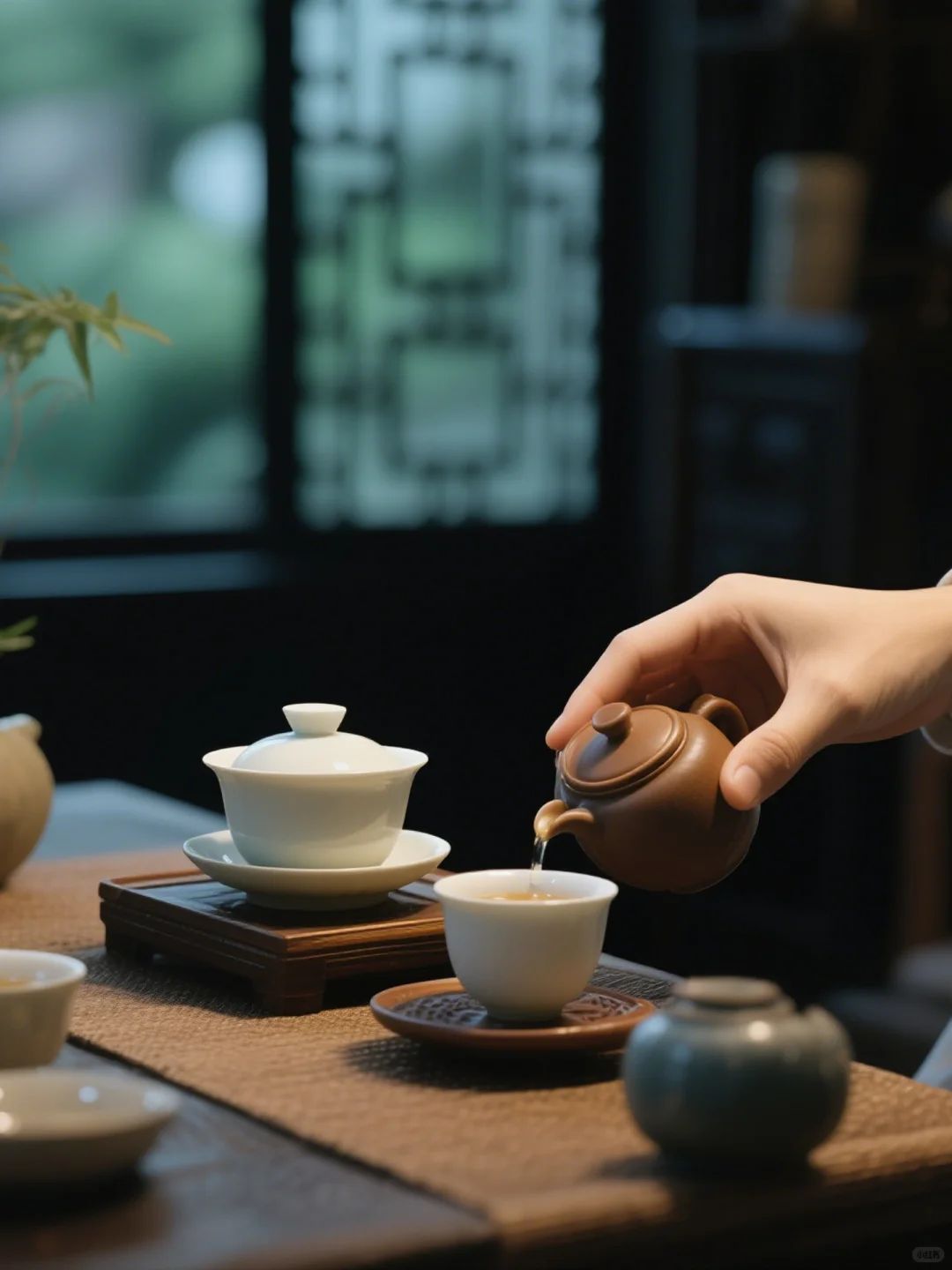
| Tea tasting | Oolong in a gaiwan | Better aroma exploration than a large iced bottle. |
FAQ
Is green tea always best for summer?
No. Green tea is fresh and light, but black tea, white tea, oolong, and cold brew can all fit summer depending on body, caffeine, and convenience.
Can I cold brew loose leaf tea?
Yes, but cold-brew-specific products are easier when you want consistent flavor and less setup. Loose leaf gives more control.
Which summer tea should I buy first?
Choose cold brew tea for convenience, green tea for freshness, white tea for softness, or black tea for a fuller iced cup.
Next Step
For the easiest summer routine, start with cold brew tea. For loose leaf, compare Old Tree Longjing, Bai Mu Dan white tea, and Tongmu Jin Jun Mei.