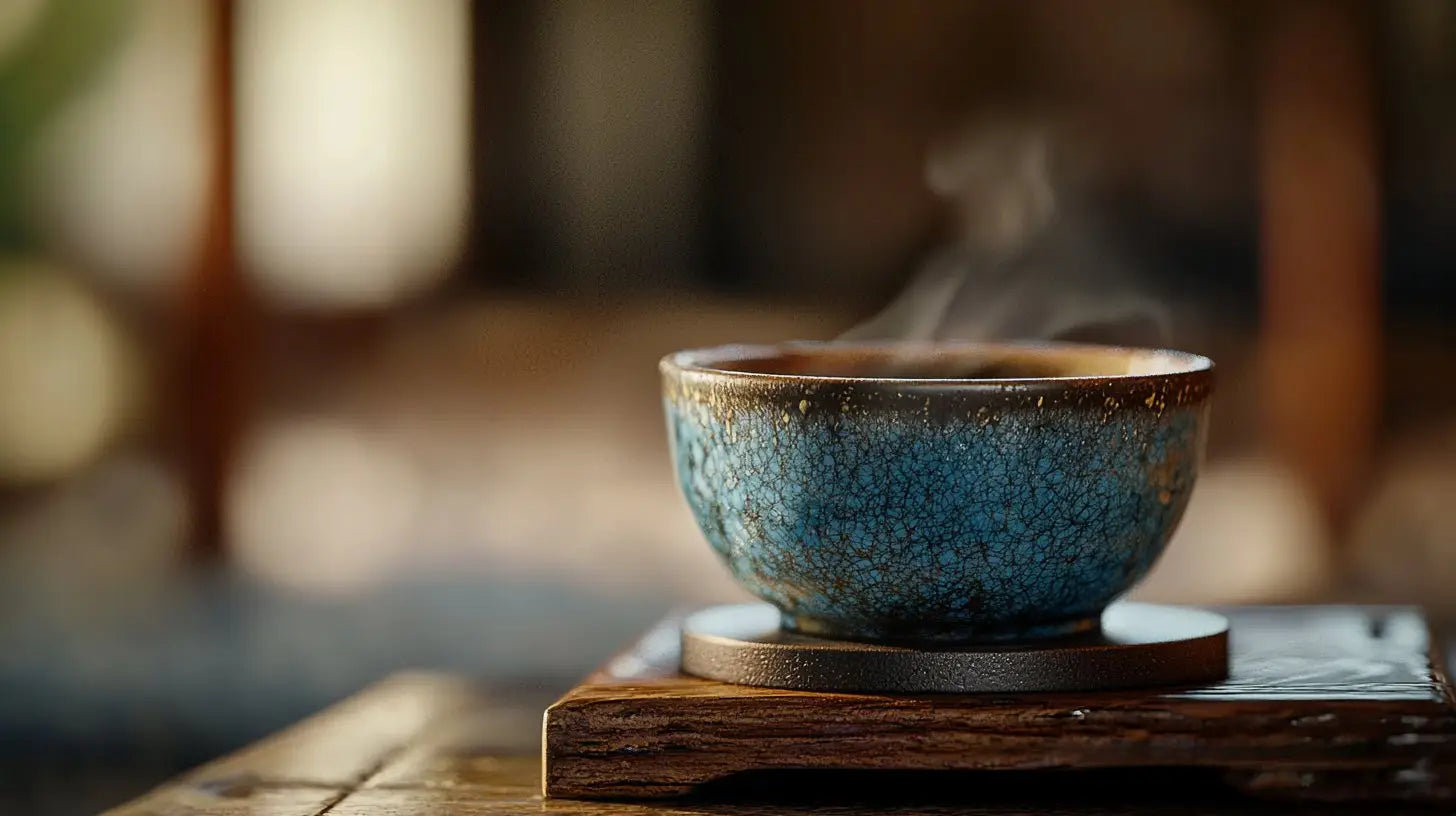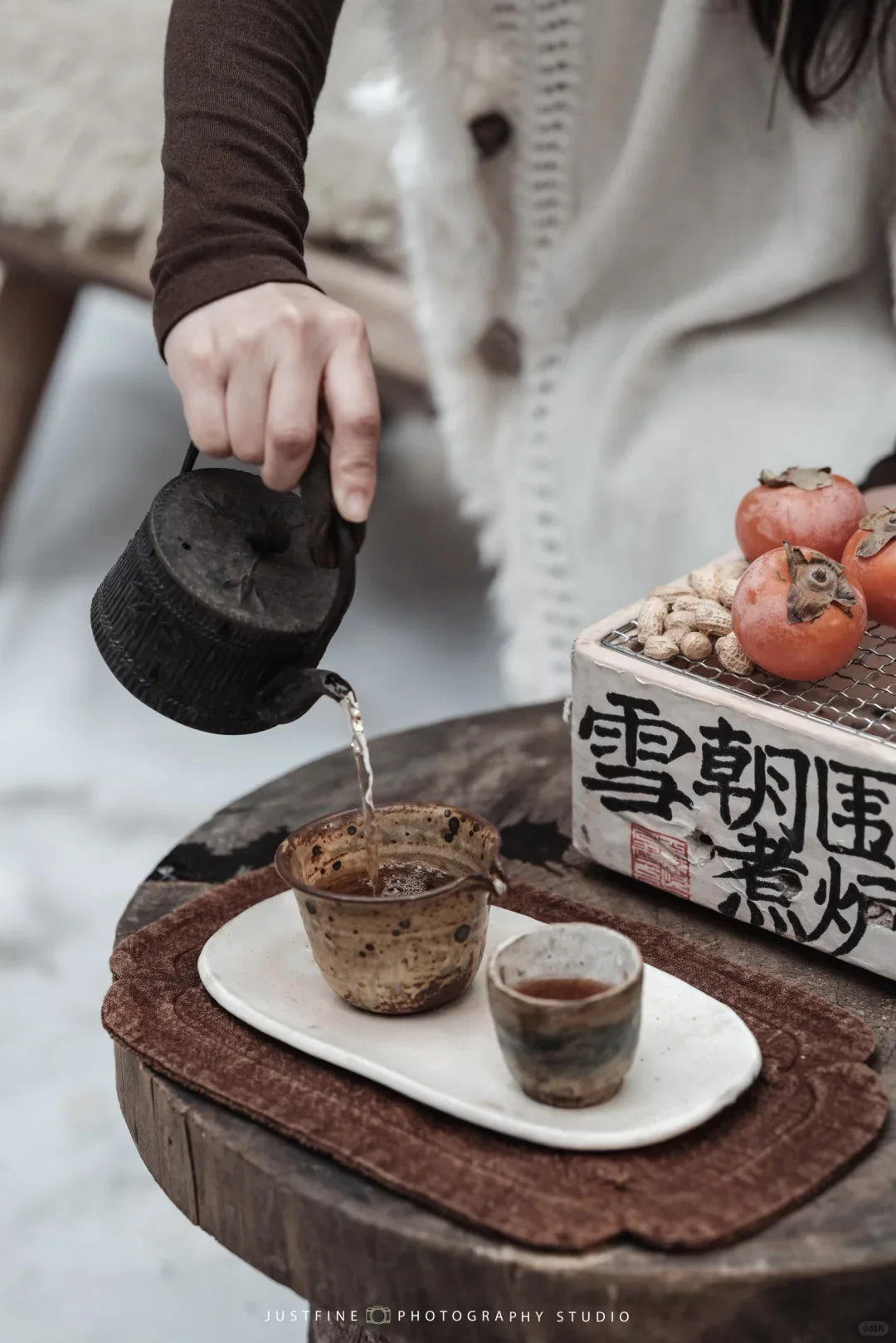
The best warming teas for winter are teas that feel satisfying in the cup: malty black tea, rounded ripe Pu-erh, roasted oolong, aged white tea, and aromatic teas brewed hot in a calm routine. Warming is a sensory and comfort idea here, not a medical promise.
This refreshed winter tea guide keeps the seasonal buying intent while removing over-strong health language. Start with Chinese black tea, Pu-erh tea, oolong tea, or white tea depending on the body and caffeine level you want.
Winter Tea Selection Table
| Winter mood | Tea direction | Why it fits | Tealibere path |
|---|---|---|---|
| Strong morning cup | Chinese black tea | Malt, honey, cocoa, and fuller body. | Tongmu Jin Jun Mei |
| After-dinner depth | Ripe Pu-erh | Earthy, smooth, and rounded for slow sipping. | 2017 Menghai Ripe Pu-erh Cake |
| Aromatic warmth | Roasted oolong | Mineral, roast, and nut-like notes suit cold weather. | Wuyi Rougui Rock Tea |
| Gentle evening session | White tea | Soft sweetness and lighter body when brewed carefully. | 2020 Bai Mu Dan White Tea |
| Focused tea table | Gongfu brewing | Small cups and repeated infusions make the session feel slower and warmer. | Gongfu tea sets |
What Warming Means in a Practical Tea Guide
Many tea traditions use warming and cooling language. For a modern buyer, the safer way to use those words is through flavor, body, temperature, and routine. A hot cup of ripe Pu-erh may feel deeper than a crisp green tea. A roasted oolong may feel cozier than a bright spring tea. That does not make the tea a treatment.
If you are caffeine-sensitive, choose your winter tea by time of day. Strong black tea and some oolongs are better earlier. White tea or a lighter brew may fit later.
Build a Winter Brewing Routine
- Preheat your cup: it keeps the first sip warmer and improves aroma.
- Use a covered vessel: a gaiwan or teapot helps retain heat.
- Choose body over strength: a round tea can feel satisfying without overbrewing.
- Keep leaves dry: winter kitchens still have steam, oil, and strong smells.
Teaware for Winter Tea
A gaiwan is flexible for comparing teas. A Yixing teapot can make sense for a repeated tea family such as ripe Pu-erh or roasted oolong. A tea tray makes hot rinsing and repeated brewing cleaner.
Simple Winter Basket
If you want a practical seasonal set, choose one fuller tea, one softer tea, and one piece of teaware that makes hot brewing easier. A black tea or roasted oolong covers the morning and afternoon. A white tea or ripe Pu-erh covers slower sessions. A covered gaiwan, compact teapot, or small Gongfu set keeps the routine focused. This is more useful than buying many teas with similar flavor profiles, because each item has a clear role in the week.
For gifting, this same structure works well: one aromatic tea, one deeper tea, and a tray or brewer that makes the recipient's first session feel complete.
Tea by Time of Day
| Time | Tea idea | Why |
|---|---|---|
| Morning | Black tea or roasted oolong | Fuller aroma and a clearer caffeine presence. |
| Afternoon | Oolong or white tea | Aromatic but not necessarily heavy. |
| After dinner | Ripe Pu-erh or gentle white tea | Rounder texture for a slower session. |
FAQ
Which Chinese tea feels warmest in winter?
Many drinkers reach for Chinese black tea, ripe Pu-erh, and roasted oolong because they have fuller body and deeper aroma. Personal response varies.
Can winter tea support general wellness?
This guide does not make treatment claims. Tea can be a pleasant hot beverage in a balanced routine, but medical questions should go to a qualified clinician.
Is green tea bad for winter?
No. Green tea can still be enjoyable in winter, especially in the morning. It simply feels lighter and fresher than roasted oolong, black tea, or ripe Pu-erh.
Next Step
Compare black tea, Pu-erh, and oolong tea, or build a winter brewing surface with a tea tray and Gongfu tea set.