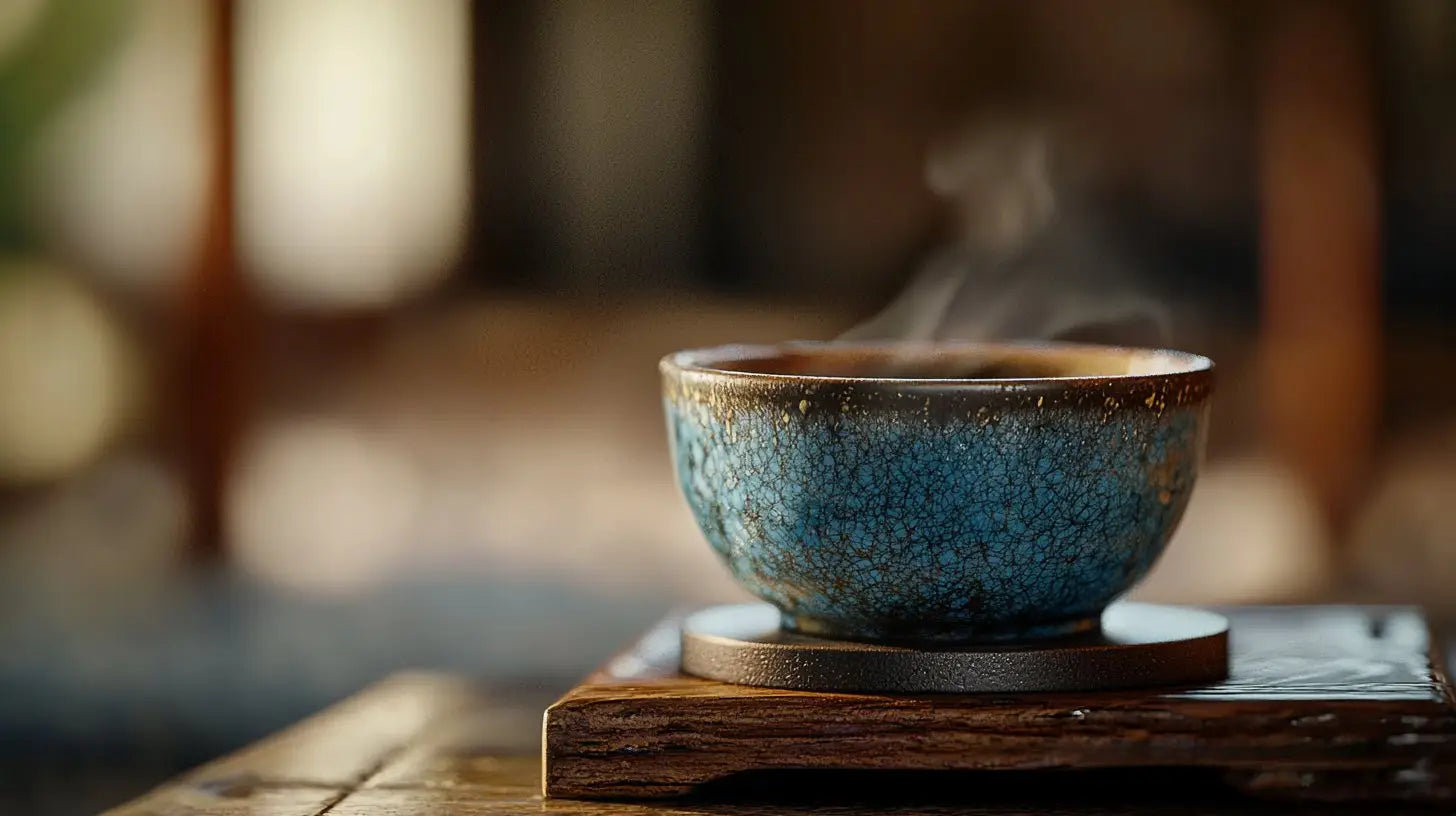
The best tea for meditation is a tea that helps you settle into a repeatable rhythm: heat water, smell the leaves, pour carefully, taste slowly, and notice how your body responds to caffeine and aroma. Tea can support a mindful routine, but it does not promise calm, focus, or a spiritual result.
This refreshed guide keeps the tea-and-meditation topic while grounding it in practical choice. Start with white tea, oolong tea, Pu-erh tea, or a simple gaiwan.
Quick Selection Table
| Meditation style | Tea direction | Why it fits | Tealibere path |
|---|---|---|---|
| Quiet morning sit | White tea or gentle green tea | Light body and clear aroma. | White tea or green tea |
| Aroma-focused practice | Dancong or floral oolong | Fragrance gives the attention something precise to follow. | Dancong oolong |
| Slow evening session | Ripe Pu-erh or aged white tea | Rounder body and softer pace. | Pu-erh tea |
| Moving meditation | Gongfu brewing | The repeated actions become the practice. | Gongfu tea sets |
Why Tea Works Well With Mindful Practice
Tea gives you a simple sequence. Warm the vessel. Add leaves. Pour. Wait. Serve. Taste. Repeat. That sequence is enough. You do not need to turn the table into a performance.
Caffeine matters. Some people like a small lift before meditation. Others become restless. If you are sensitive, brew lighter, choose white tea, drink earlier, or use less leaf.
Choose by Aroma and Body
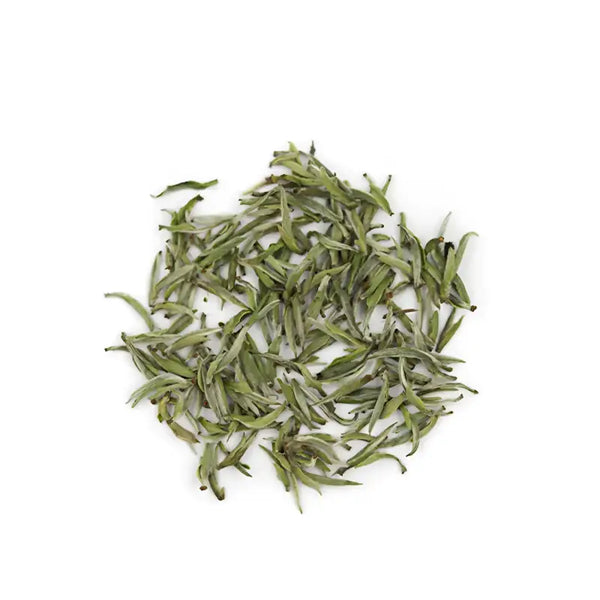
- White tea: gentle, soft, and easy to sip slowly.
- Green tea: clear and fresh, best when brewed with care.
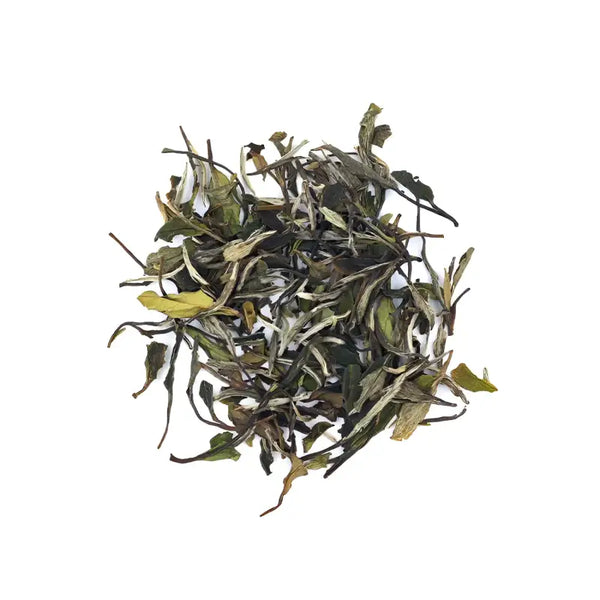
- Oolong tea: layered aroma for fragrance-based attention.
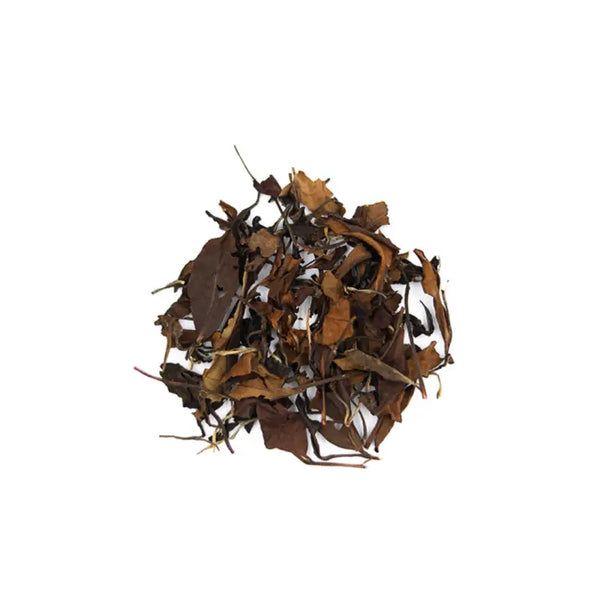
- Pu-erh tea: deeper body for a grounded, slower session.
- Chinese black tea: warmer and fuller, better earlier in the day for many drinkers.
Teaware for a Simple Tea Meditation
A gaiwan is the best first tool because it is neutral, small, and easy to rinse. A fairness pitcher helps you pour evenly. A tea tray keeps the setup relaxed if you rinse cups or use a tea pet.
If you already repeat one tea family, a Yixing teapot can become part of a personal routine. If you are still exploring, stay with porcelain or glass.
Choose by Caffeine Comfort
The right meditation tea is often the tea you can drink without managing side effects. If caffeine makes you restless, use less leaf, brew shorter infusions, or choose a gentler white tea earlier in the day. If you like a clear lift, oolong or Chinese black tea may fit a morning practice. For evening, keep the session small and notice whether even a soft brew affects sleep.
This makes the purchase decision simpler: choose the tea you can repeat comfortably, then upgrade the vessel only when the routine feels worth keeping.
A 15-Minute Practice
- Choose one tea and one vessel. Avoid changing too many things.
- Preheat the vessel and cup.
- Smell the dry leaves and warmed leaves.
- Brew short infusions and pour slowly.
- Notice aroma, temperature, texture, and aftertaste without chasing a result.
- Stop before the session becomes effortful.
What to Avoid
- Do not choose very strong caffeine late in the day if it affects sleep.
- Do not overbrew delicate tea just to make it feel intense.
- Do not treat tea as a substitute for medical or mental health care.
- Do not buy specialized teaware before you know the tea family you enjoy.
FAQ
What is the best tea for meditation?
White tea, gentle green tea, aromatic oolong, and ripe Pu-erh can all work. The best choice is the one that fits your caffeine comfort and keeps your practice repeatable.
Is Gongfu tea a form of meditation?
It can be used mindfully because the actions are slow and repeated. It is also a practical brewing method, not only a ceremonial script.
Should I use a Yixing teapot for meditation tea?
Use Yixing only if you already repeat one tea family. For comparing many teas, a gaiwan is more flexible.
Next Step
Start with white tea, oolong tea, or Pu-erh, then pair it with a simple gaiwan for a clean, repeatable practice.