What Yixing Clay Actually Does
Yixing purple clay, or zisha, is an unglazed clay used for small Chinese teapots. Its value is not magic. It comes from a mix of heat behavior, surface texture, mineral-rich clay, and the way an unglazed pot gradually takes on the aroma of teas brewed in it.
A good Yixing teapot can make repeated Gongfu brewing feel smoother and more focused. It can hold heat well, pour cleanly, and become familiar through use. It will not turn poor tea into good tea, and it should not be used as a universal pot for every tea you own.

Yixing Clay Types Comparison
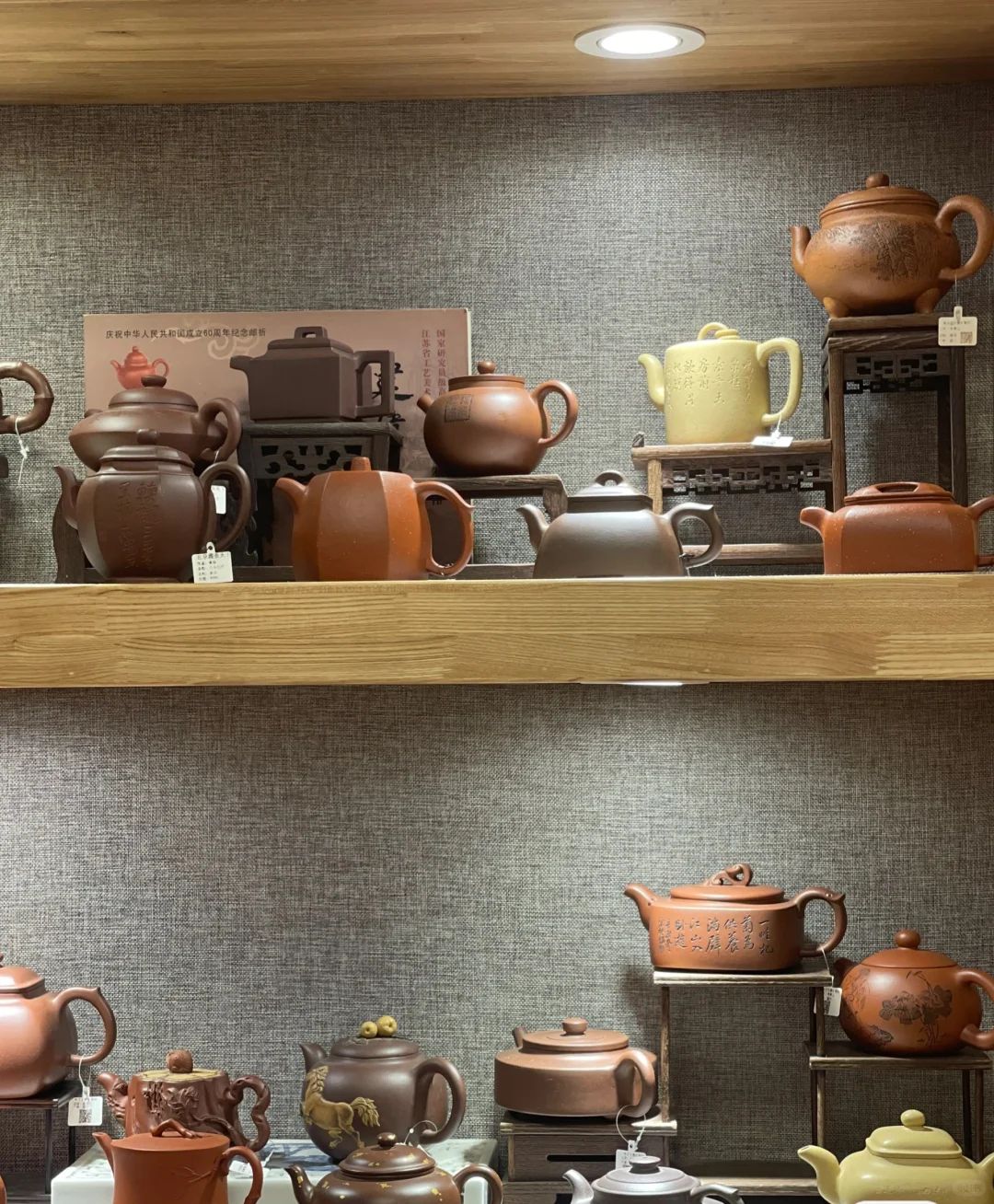
| Clay type | Typical color | Common pairing | Why it is used |
|---|---|---|---|
| Zi Ni | Purple-brown to dark brown | Pu-erh, roasted oolong, black tea | Balanced heat retention and a steady brewing feel. |
| Zhu Ni | Red-orange | Fragrant oolong, Dan Cong, Tie Guan Yin | Dense body and crisp pour that can preserve aroma. |
| Hong Ni | Red clay | Oolong, black tea | Often chosen for lively fragrance and medium body. |
| Duan Ni | Yellow-beige | Light oolong, white tea, some green tea | Can feel more porous; best kept to gentle teas. |
| Hei Ni | Dark brown or black | Ripe Pu-erh, aged tea | Good heat holding for darker, heavier teas. |
Why One Pot Should Serve One Tea Style
Because Yixing teapots are unglazed, the inner surface slowly absorbs traces of aroma and tea oils. This is why experienced drinkers often dedicate one pot to one broad tea family. A pot used for ripe Pu-erh should not suddenly brew delicate green tea. The old aroma can interfere with the new tea.
If you are still exploring tea categories, start with a porcelain gaiwan. Choose a Yixing teapot after you know what you drink most: Pu-erh, roasted oolong, fragrant oolong, or black tea.

How Clay Changes A Tea Session
- Heat: thicker clay keeps heat longer, which can suit Pu-erh and roasted oolong.
- Pour: a clean pour helps control infusion time.
- Texture: some drinkers notice a rounder mouthfeel with darker teas after a pot is seasoned.
- Aroma memory: repeated use with one tea family can make the pot feel more integrated with that style.
These effects are subtle. They matter most when the tea is already good and the brewing is consistent.
How To Choose A Yixing Teapot
- Choose size first. For one or two people, 90-150 ml is usually practical.
- Choose tea style next. Do not buy a clay pot before knowing what it will brew.
- Check the pour. Water should leave smoothly and stop cleanly.
- Check comfort. The lid, handle, and spout should feel easy to use when hot.
- Avoid dramatic claims. Real clay quality is judged through use, not miracle language.
To compare forms, start with Yixing teaware, then pair the pot with a tea family such as Pu-erh or oolong tea.
Care And Seasoning
Rinse a new teapot with hot water and brew tea in it a few times before judging the flavor. Do not use soap inside the pot. After each session, empty the leaves, rinse with hot water, and let the pot dry fully with the lid off.

Frequently Asked Questions
Is Yixing clay better than porcelain?
Not always. Porcelain is better for comparing many teas because it is neutral. Yixing is better when you want a dedicated pot for one tea style.
Can one Yixing teapot brew every tea?
It can physically brew them, but it is not ideal. The unglazed clay can carry aroma from one tea family into another.
Which tea should I pair with my first Yixing pot?
Choose the tea you drink most often. For many beginners, ripe Pu-erh, roasted oolong, or black tea is easier than very delicate green tea.