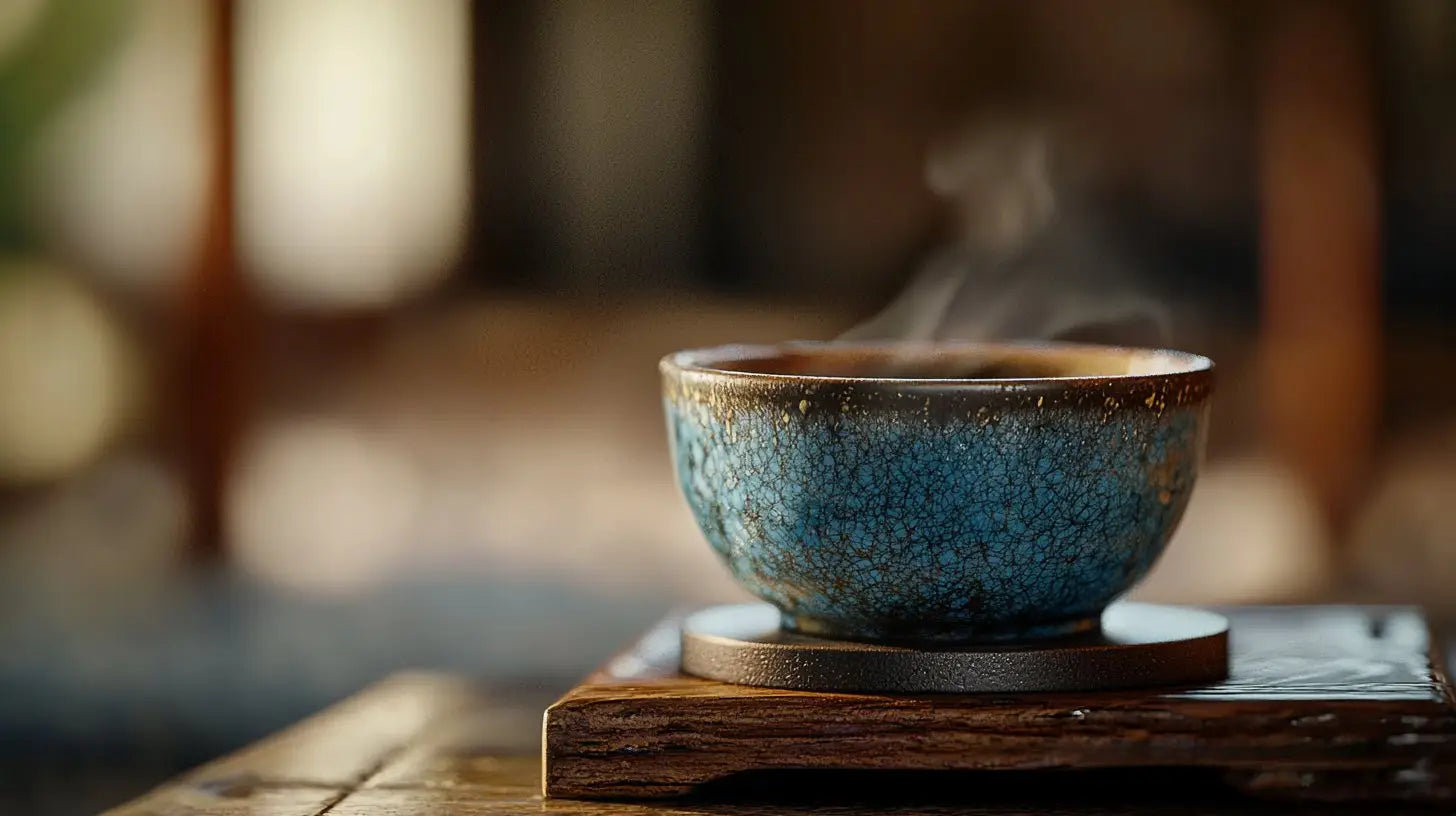
Best Chinese Tea for Beginners: What to Try First
Not sure where to start with Chinese tea? Here are the most approachable, forgiving, and delicious teas for your first Gongfu session — and the ones to save for later.
What Makes a Tea "Beginner-Friendly"?
Not all Chinese teas are equally approachable. The best starter teas share these traits:
- Forgiving brewing parameters — an extra 10 seconds of steeping doesn't ruin them
- Smooth flavor profile — no harsh astringency or unexpected bitterness
- Multiple infusions — you get 5–15 cups per session to practice
- Affordable — accessible pricing so you can experiment freely
- Available — not rare or seasonal in ways that make them hard to find
With that in mind, here are the top teas to try first — and why.
1. Tie Guan Yin Oolong (铁观音) — The Perfect Starter
Why it's #1 for beginners: Tie Guan Yin ("Iron Goddess of Mercy") is one of the most popular teas in China for a reason. Light oolong with a beautiful floral aroma, smooth sweetness, and an aftertaste that lingers pleasantly. It's almost impossible to make a bad cup.
Flavor profile: Orchid floral, light sweetness, clean finish
Oxidation: 15–25% (light oolong)
Brewing temp: 90–95°C (195–205°F)
Steeping: 10–15 seconds per infusion (Gongfu); 2–3 minutes (Western)
Infusions: 6–10
Why beginners love it:
- Over-steeping makes it slightly stronger but never bitter
- Beautiful rolled-leaf shape that unfurls during brewing — visually engaging
- Low caffeine relative to green tea
- Works perfectly in both a gaiwan and teapot
Best pairing: An elegant porcelain gaiwan or a zhuni clay Yixing teapot
Browse our Oolong Tea Collection →
2. Longjing Green Tea (龙井) — The Classic
Why it's great for beginners: Longjing (Dragon Well) is China's most famous green tea. It has a sweet, chestnut-like flavor with a clean vegetal finish that feels familiar even if you've never drunk Chinese tea. The flat, pressed leaves are iconic and the brewing process is simple.
Flavor profile: Sweet chestnut, toasted, vegetal, clean
Oxidation: 0% (green tea)
Brewing temp: 75–80°C (165–175°F)
Steeping: 10–20 seconds (Gongfu); 2 minutes (Western)
Infusions: 3–5
Why beginners love it:
- Familiar flavor for Western tea drinkers
- No complex brewing requirements
- Light, refreshing — perfect afternoon tea
- Affordable at everyday grades
Beginner tip: Don't use boiling water. 80°C is the sweet spot — boiling water will scorch the leaves and produce bitterness. If you don't have a thermometer, boil water and let it sit for 3 minutes.
Browse our Green Tea Collection →
3. Ripe Pu-erh (熟普) — For Coffee Lovers
Why it's great for beginners: If you drink coffee, you'll understand ripe Pu-erh immediately. It's dark, rich, and earthy with a smooth texture that feels like drinking velvet. Zero bitterness, minimal astringency, and it's genuinely hard to mess up.
Flavor profile: Earth, dark chocolate, aged wood, creamy
Oxidation: Post-fermented (artificially aged)
Brewing temp: 100°C (212°F) — full boiling
Steeping: 10–15 seconds (Gongfu); 3–5 minutes (Western)
Infusions: 10–20+
Why beginners love it:
- Uses boiling water — no temperature fussing
- Impossibly smooth — no bitterness even when over-steeped
- Produces 10–20+ infusions from a single session
- Feels substantial like coffee, but without the jitters (more L-theanine, less caffeine)
Beginner tip: Rinse ripe Pu-erh once before drinking. Pour boiling water in, wait 5 seconds, discard. This washes off the surface and "wakes up" the compressed tea.
For a deeper dive into Pu-erh types, read A Beginner's Guide to Pu-erh Tea.
Browse our Pu-erh Collection →
4. Silver Needle White Tea (白毫银针) — Gentle and Forgiving
Flavor profile: Delicate, honey-like sweetness, melon, hay
Brewing temp: 80–85°C (175–185°F)
Infusions: 4–7
White tea is the least processed of all tea types — the leaves are simply withered and dried. Silver Needle (Bai Hao Yinzhen) is made from only the tea buds, producing an incredibly soft, sweet cup with no bitterness whatsoever.
Best for: Those who prefer subtle flavors, who enjoy the idea of "tasting nature" rather than bold flavors. If you like light white wine more than bold red, you'll appreciate Silver Needle.
Browse our White Tea Collection →
5. Jasmine Pearl Tea (茉莉龙珠) — The Gateway
Flavor profile: Jasmine perfume, sweet green tea base, floral
Brewing temp: 85°C (185°F)
Infusions: 3–5
Jasmine tea is many people's first experience with Chinese tea, often served at dim sum restaurants. Jasmine Pearls are hand-rolled green tea leaves scented multiple times with fresh jasmine flowers. The aroma alone is enough to convince you that loose-leaf tea is a different world from tea bags.
Best for: Absolute beginners who want an immediately impressive experience. The scent fills the room and the taste is universally appealing.
Teas to Save for Later
These are exceptional teas — but they demand more technique and palate experience. Save them for Month 3+ of your tea journey.
Young Raw Pu-erh (Sheng)
Intense, astringent, bitter, and complex. Raw Pu-erh is thrilling once you develop a palate for it, but can be overwhelming for newcomers. Start with ripe Pu-erh first.
Phoenix Dancong Oolong (凤凰单丛)
Stunning aromatic complexity, but very unforgiving — a few seconds too long and the brew becomes harsh. Learn temperature and timing control first.
Aged White Tea (老白茶)
Aged whites offer incredible depth (dates, herbs, old wood), but without the context of having tasted young white tea first, the nuance is lost.
Wuyi Rock Oolong (岩茶)
Da Hong Pao, Rou Gui, Shui Xian — these are some of the most sophisticated teas in the world. Their mineral "rock charm" (yan yun) is the mark of expert tea, but beginners may find them confusing rather than compelling.
Your First Brewing Setup
You don't need expensive equipment to brew great Chinese tea. Here's the minimum:
| Item | Purpose | Budget Option |
|---|---|---|
| Gaiwan (120–150ml) | Brew vessel — most versatile | Start with a porcelain gaiwan |
| Tea cups (30–50ml) | Small sipping cups | Any small cup works |
| Kettle with temp control | Precise water temperature | Regular kettle + resting time |
| Tea tray or towel | Catch spills | A folded towel works fine |
| Digital scale | Consistent tea-to-water ratio | Optional at first |
Our recommendation: Start with a simple porcelain gaiwan. It works with every tea type, doesn't absorb flavor (so you can explore freely), and teaches you Gongfu technique naturally.
For a full guide to teaware options, read Ultimate Guide to Chinese Teaware.
Simple Beginner Brewing Method (Gongfu Style)
- Heat water to the appropriate temperature for your tea
- Pre-heat your gaiwan and cups by pouring hot water in and discarding
- Add 5–7g of tea (roughly a tablespoon of loose leaf)
- Rinse once — pour water in, wait 3–5 seconds, pour out
- First infusion — pour water in, steep 10–15 seconds, pour all liquid out
- Subsequent infusions — add 5 seconds per round
- Continue until the flavor fades (3–20 infusions depending on tea type)
That's it. The entire process takes 20–40 minutes for a full session, and you'll drink 6–15 small cups of progressively changing tea. It's a meditation and a sensory experience.
Want the complete ceremony breakdown? Read Gongfu Cha for Beginners.
Comparison: 5 Best Beginner Teas at a Glance
| Tea | Flavor | Difficulty | Infusions | Best For |
|---|---|---|---|---|
| Tie Guan Yin | Floral, smooth | ⭐ Easy | 6–10 | Universal starter |
| Longjing | Chestnut, vegetal | ⭐ Easy | 3–5 | Green tea fans |
| Ripe Pu-erh | Earthy, smooth | ⭐ Easy | 10–20+ | Coffee drinkers |
| Silver Needle | Honey, delicate | ⭐ Easy | 4–7 | Subtle palates |
| Jasmine Pearl | Floral, sweet | ⭐ Easy | 3–5 | Absolute beginners |
Frequently Asked Questions
Q: What Chinese tea is closest to English Breakfast tea?
A: Keemun (祁门红茶) or Jin Jun Mei black tea. Both are Chinese black teas (Hong Cha) that share the malty, full-bodied character of English Breakfast — because English Breakfast historically included Keemun. Browse our black tea selection.
Q: How much caffeine is in Chinese tea?
A: It varies by type. Green tea has about 20–45mg per cup, oolong 30–50mg, black tea 40–70mg, and Pu-erh 30–50mg. All are lower than coffee (95–200mg). White tea and aged teas tend to have the least caffeine. For more details, read Chinese Tea Health Benefits.
Q: Do I need a special teapot?
A: Not at first. A simple porcelain gaiwan handles every tea type. Once you decide which tea you love most, consider a dedicated Yixing teapot — but only after you've explored. See Gaiwan vs Teapot for the full comparison.
Q: Can I add milk or sugar to Chinese tea?
A: Technically yes, but you'd mask the subtle flavors that make Chinese tea special. Chinese tea is designed to be drunk plain. Try it without additions first — most people are surprised by how naturally sweet good loose-leaf tea is.
Q: How do I store Chinese tea?
A: Green and light oolong: sealed, cool, dark, away from odors — refrigerator works. Black tea and dark oolong: sealed at room temperature. Pu-erh: breathable container at room temperature, away from strong odors.
Start Your Tea Journey
Ready to try your first Chinese tea? Here are the best starting points:
- Oolong Tea Collection — Includes Tie Guan Yin
- Green Tea Collection — Includes Longjing
- Pu-erh Tea Collection — Includes ripe Pu-erh options
- Complete Tea Collection — Browse everything
Need teaware? Start with a handmade gaiwan — it's the only tool you need.
All Tealibere teas are sourced directly from origin regions across China and shipped worldwide with free shipping on orders over €49.