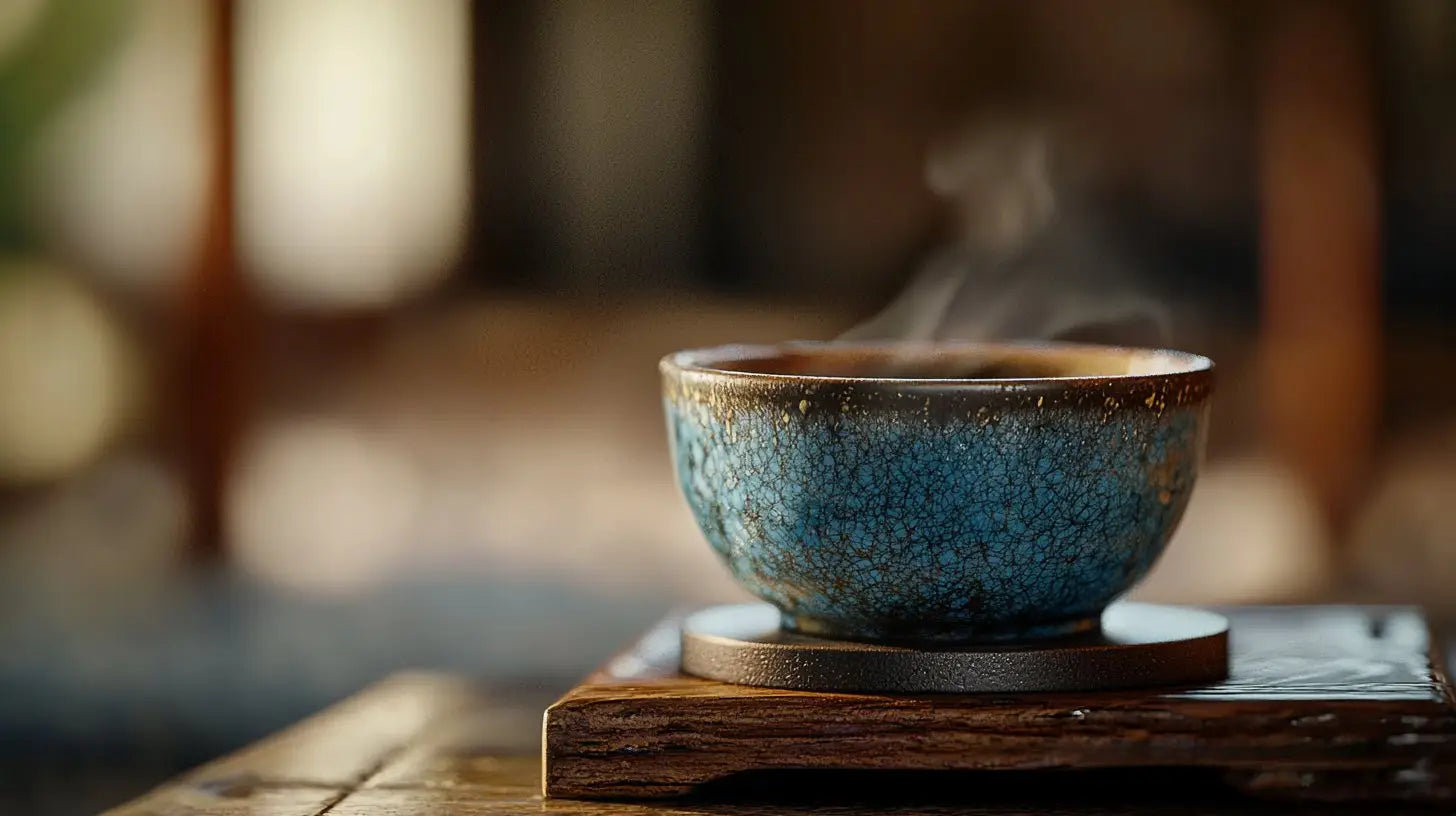
The best tea for evening, calm, or stomach comfort is not a treatment tea. It is the tea that fits your caffeine sensitivity, time of day, body comfort, and taste. For some people that means a soft white tea. For others it means a light oolong, ripe Pu-erh after food, or a caffeine-free herbal blend.
This refreshed guide keeps the search intent of the original article while removing treatment language. If you are choosing tea now, start with Tealibere's white tea, oolong tea, Pu-erh tea, or herbal and wellness tea collections.
Quick Choice Table
| What you want from the cup | Tea direction | Why it may fit | Tealibere path |
|---|---|---|---|
| Lower-caffeine evening ritual | Lightly brewed white tea | Soft aroma and gentler body when brewed carefully. | 2020 Bai Mu Dan White Tea |
| Aromatic afternoon pause | Oolong tea | Layered fragrance gives the attention something precise to follow. | Dancong oolong |
| After-meal slow cup | Ripe Pu-erh | Round, earthy flavor can feel satisfying after food. | 2017 Menghai Ripe Pu-erh Cake |
| No-caffeine routine | Herbal blend | Useful when any caffeine affects rest or comfort. | Herbal and wellness tea |
Caffeine Comes First
The most practical question is not which tea has a dramatic effect. It is how your body responds to caffeine. The FDA notes that caffeine can be part of a healthy diet for many adults, but sensitivity varies and too much may contribute to unwanted effects such as sleep disruption, anxious feelings, jitters, or stomach upset.
Tea caffeine changes with leaf amount, water temperature, steep time, and tea style. If caffeine affects your rest, brew lighter, drink earlier, or choose a caffeine-free option. If you are pregnant, breastfeeding, taking medication, or managing a condition, get personal advice from a clinician.
Comfort, Not Claims
Words like sleep, stress, and digestion are often used too loosely in tea marketing. A responsible tea shop should not promise that a tea will fix those concerns. A better way to choose is by routine: a warm cup after dinner, a small Gongfu session before a screen-free evening, or a mild tea that does not feel heavy.
For a mindful setup, use a neutral gaiwan or simple cup, keep the session short, and stop before the ritual becomes another task.
How to Brew Gently
- Use less leaf: lower leaf volume is the easiest way to soften caffeine and strength.
- Shorten the steep: start light, then adjust one variable at a time.
- Avoid overbrewing: bitterness can feel harsh even when the tea itself is good.
- Drink earlier: afternoon is safer than late evening for many caffeine-sensitive drinkers.
- Keep notes: track tea type, time, and how the cup felt.
Tea Paths by Time of Day
| Time | Good first choice | What to avoid |
|---|---|---|
| Morning | Tongmu Jin Jun Mei black tea or green tea | Choosing a tea only because a claim sounds strong. |
| Afternoon | Oolong, white tea, or a lighter Pu-erh session | Repeated strong cups if caffeine lingers for you. |
| Evening | Very light white tea or caffeine-free herbal tea | Strong black tea, strong green tea, or large late Gongfu sessions. |
Helpful Sources
- FDA: Spilling the Beans - How Much Caffeine Is Too Much?
- NCCIH: Green Tea - Usefulness and Safety
- NCCIH: Chamomile - Usefulness and Safety
- NCCIH: Sleep Disorders and Complementary Health Approaches
- NIH ODS: Pregnancy Fact Sheet
FAQ
What tea should I drink at night?
If caffeine affects you, choose a caffeine-free herbal blend or drink a very light white tea earlier in the evening. Avoid strong late infusions.
Can tea replace care for anxiety, insomnia, or stomach symptoms?
No. Tea can be part of a pleasant routine, but medical symptoms need qualified medical advice.
Which Tealibere tea is the gentlest place to start?
Start with white tea for softness, herbal tea for no-caffeine routines, or Pu-erh if you want a deeper after-meal cup.
Next Step
Choose by caffeine comfort first: white tea for softness, herbal blends for caffeine-free routines, oolong for aroma, or Pu-erh for a deeper Gongfu session.